Yaganti Temple is one of Andhra Pradesh’s most fascinating pilgrimage destinations, renowned for its mysterious growing Nandi (Basavayya), ancient caves, and serene natural surroundings. Located in the Nallamala forest region of Kurnool district, this sacred Shaivite shrine is dedicated to Lord Shiva in the form of Sri Uma Maheswara Swamy.
Unlike crowded mainstream temples, Yaganti offers a calm spiritual atmosphere while intriguing devotees and researchers alike with a living stone mystery that continues to defy explanation.
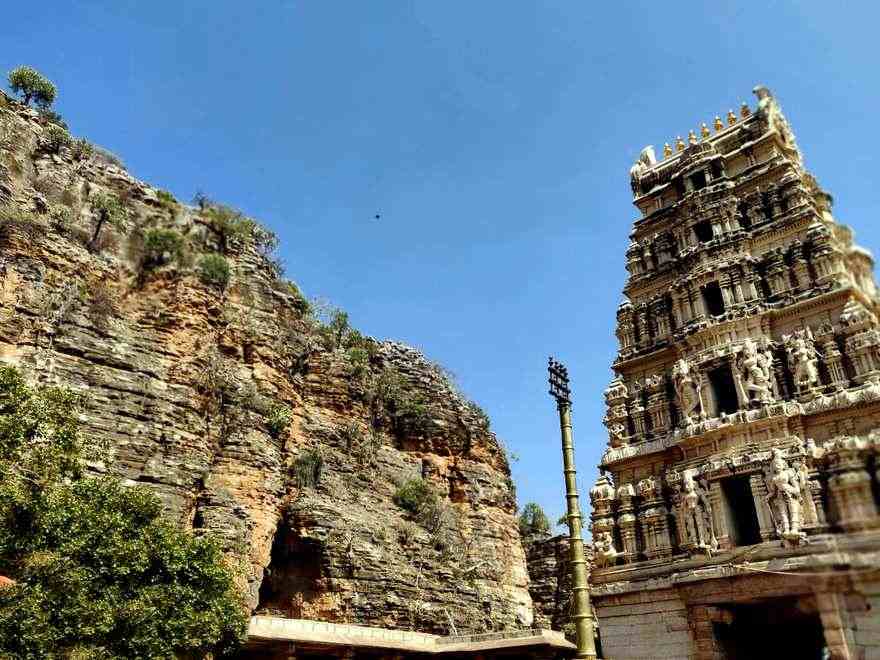
Yaganti Temple
Historical Significance of Yaganti Temple
The origins of Yaganti Temple date back to the 5th–6th century, with major architectural contributions during the Vijayanagara Empire in the 15th century. The temple showcases a blend of Chalukyan and Vijayanagara styles, evident in its stone pillars, mandapams, and finely carved sculptures.
Local legends associate the site with Sage Agastya, who is believed to have meditated here. Though originally intended for Lord Venkateswara worship, divine intervention led to the establishment of a powerful Shaivite center, making Yaganti a unique convergence of devotion and destiny.
The Mystery of the Growing Nandi (Basavayya)
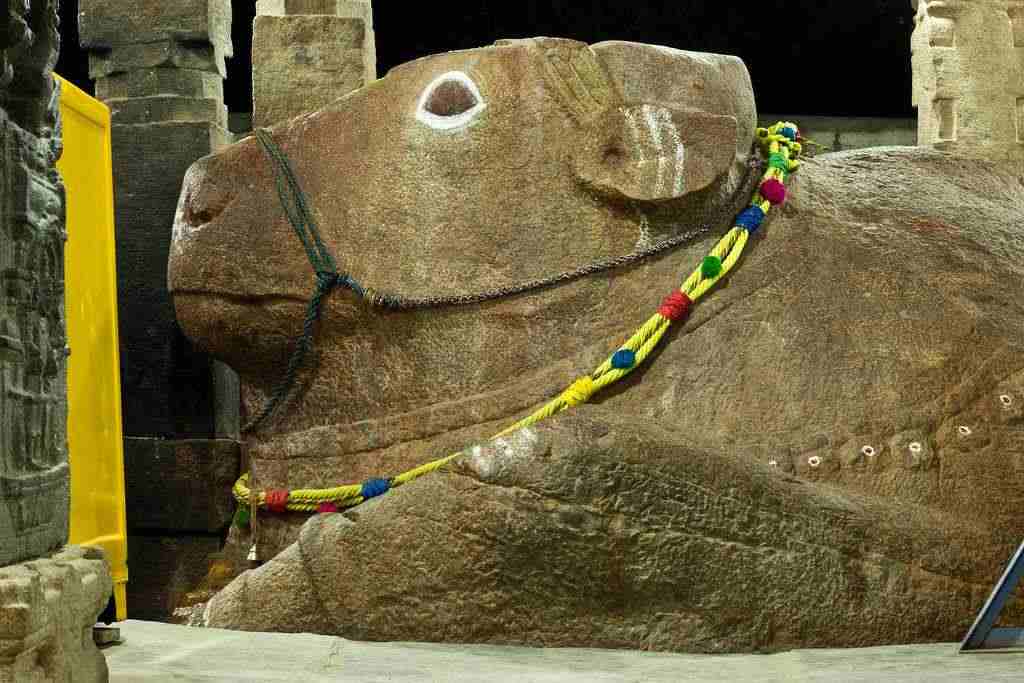
The most iconic feature of Yaganti Temple is the monolithic Nandi statue, carved from a single block of stone and positioned majestically in the open courtyard.
Yaganti Nandi
Why Is the Yaganti Nandi Considered a Mystery?
- Devotees believe the Nandi gradually increases in size over time
- Old iron chains once placed around the statue no longer fit
- Cloth coverings used decades ago now fall short
Scientific & Spiritual Views
From a scientific perspective, some experts suggest natural rock expansion, mineral absorption, or climatic factors as possible reasons. However, no theory has been conclusively proven.
Spiritually, devotees see the growing Nandi as:
- A symbol of ever-expanding divine energy
- A protective force watching over the temple
- A reminder that nature and divinity coexist
Whether viewed through faith or science, Basavayya remains one of India’s most captivating temple mysteries.
Architecture & Sacred Caves of Yaganti
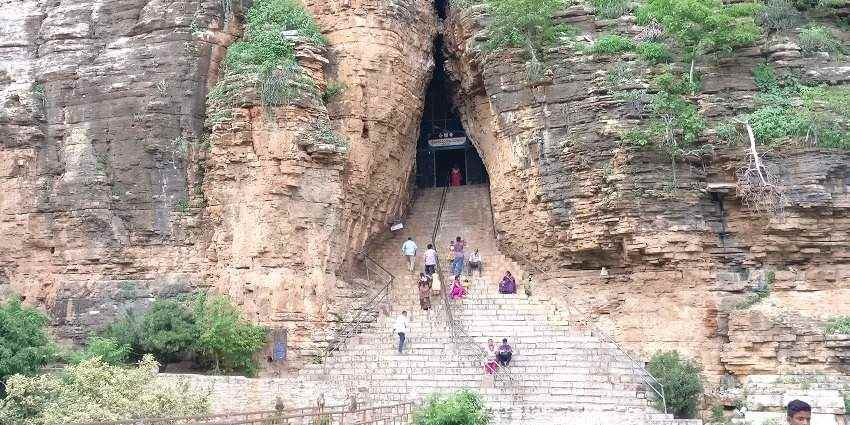
Venkateshwara Caves
Yaganti Temple is uniquely integrated with natural limestone caves, adding a mystical dimension to the pilgrimage.
Important Caves Inside the Complex
- Agastya Cave – Believed to be the meditation site of Sage Agastya
- Veera Brahmam Cave – Associated with Sri Potuluri Veera Brahmendra Swamy
- Venkateswara Cave – Reflects Vaishnavite influence within the Shaivite site
The caves enhance the spiritual aura and make Yaganti more than just a temple—it is a sacred landscape.
Yaganti Temple Timings, Darshan & Pooja Schedule
Planning your visit with proper timing ensures a smooth and peaceful darshan experience.
Temple Opening Timings
- Morning: 6:00 AM – 1:00 PM
- Evening: 3:00 PM – 8:00 PM
Note: The temple remains closed between 1:00 PM and 3:00 PM daily.
Daily Pooja & Darshan Schedule
Pooja / Seva |
Timing |
Suprabhatha Seva |
6:00 AM |
Abhishekam (Main Ritual) |
6:30 AM – 7:30 AM |
Alankarana & Maha Harathi |
11:00 AM – 12:00 PM |
Evening Harathi |
6:30 PM |
Tip: Early morning hours are ideal for less crowd and a more meditative darshan.
Best Time to Visit Yaganti Temple
- October to February: Best season with pleasant weather
- March to May: Hot but manageable during early mornings
- Monsoon: Scenic surroundings but slippery cave paths
Major Festivals
- Maha Shivaratri – Peak crowd and special rituals
- Karthika Masam – Highly auspicious month for Shiva devotees
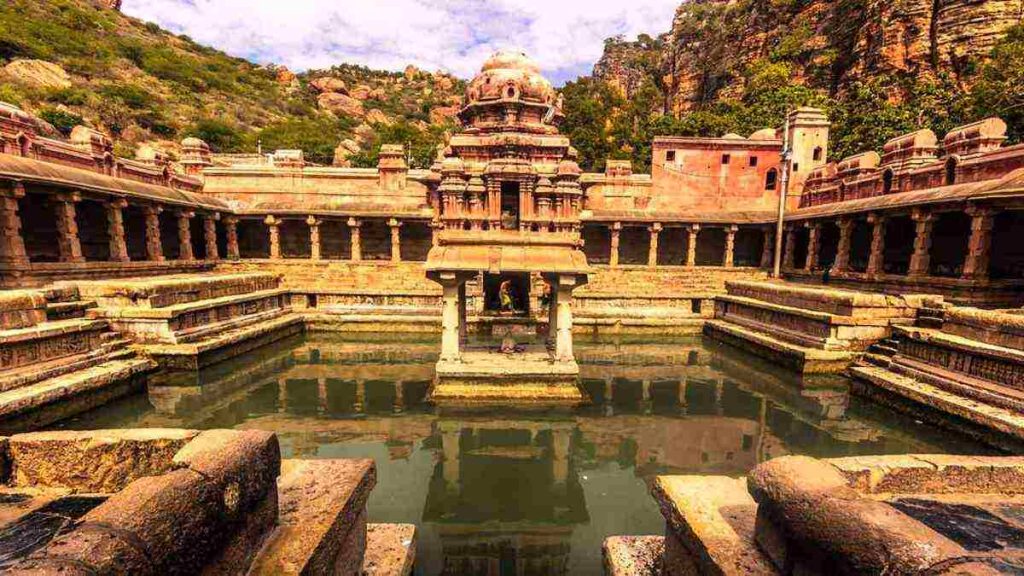
Sri Yaganti Uma Maheswara Temple
How to Reach Yaganti Temple
- Nearest Town: Kurnool (≈90 km)
- By Road: Buses and taxis available from Kurnool
- By Rail: Kurnool City Railway Station
- By Air: Hyderabad Airport (≈350 km)
Accommodation Near Yaganti
- Basic lodges and guest houses near the temple
- Comfortable hotels available in Kurnool town
- Ideal for one-day or overnight pilgrimages
Why You Should Visit Yaganti Temple
- Witness the rare mystery of a living stone Nandi
- Experience a peaceful alternative to crowded temples
- Explore ancient caves within a sacred complex
- Ideal for spiritual seekers, families, and heritage travelers
Dress Code for Yaganti Temple
When visiting Yaganti Temple, devotees are expected to follow a modest and respectful dress code in keeping with temple traditions. Men are advised to wear dhoti or full-length trousers with shirts, and should avoid shorts or sleeveless attire. Women are encouraged to dress in traditional Indian outfits such as sarees, salwar kameez, or churidars. As with all Hindu temples, footwear must be removed before entering the sacred area to preserve the sanctity and decorum of the shrine.
FAQs About Yaganti Temple
Is the Yaganti Nandi really growing?
Devotees strongly believe so, supported by physical evidence like old chains and cloths, though science offers no final explanation.
How much time is needed for darshan?
Around 2–3 hours, including caves and Nandi darshan.
Is Yaganti suitable for senior citizens?
Yes, but caution is advised while visiting caves.
Is photography allowed?
Photography is allowed in outer areas, not inside the sanctum.
Conclusion
Yaganti Temple stands as a rare spiritual destination where faith, mystery, and nature unite. The growing Nandi, ancient caves, and tranquil setting make it one of Andhra Pradesh’s most extraordinary pilgrimage sites. A visit to Yaganti is not just a darshan—it is an experience that lingers in the heart and mind.

Leave A Comment