Introduction
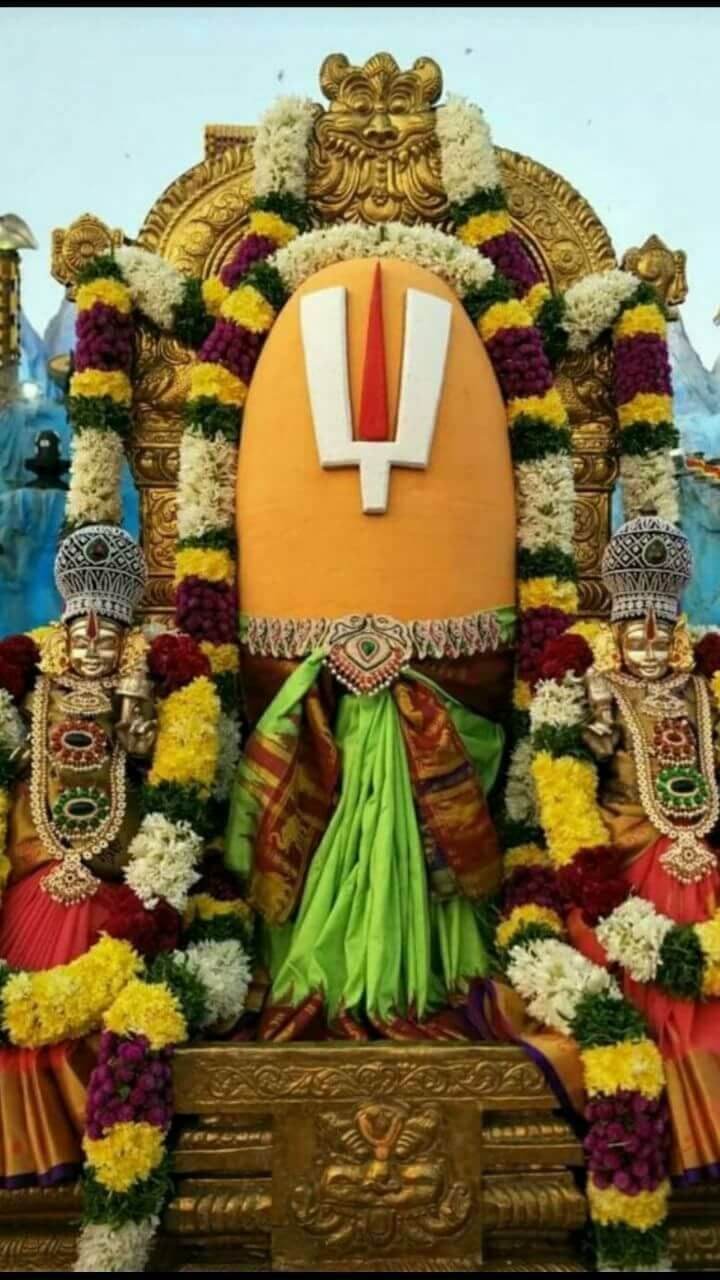
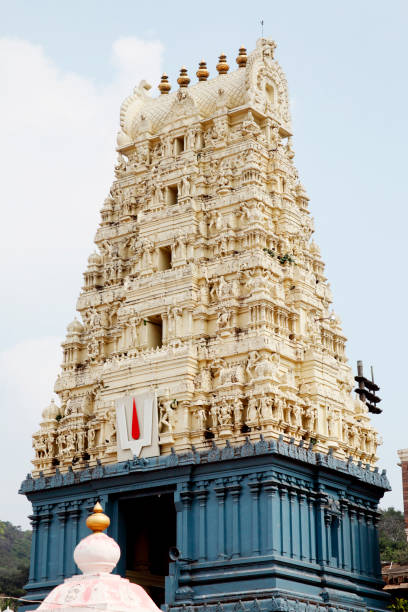
The Simhachalam Temple, officially known as Sri Varaha Lakshmi Narasimha Swamy Temple, is one of the most sacred and ancient pilgrimage sites in Andhra Pradesh. Located on Simhachalam Hill near Visakhapatnam, the temple is dedicated to Lord Vishnu in the combined form of Varaha and Narasimha. This unique deity, along with the temple’s hilltop setting and centuries-old traditions, makes Simhachalam a spiritually powerful and culturally significant destination for devotees.
Surrounded by lush greenery and panoramic views of Visakhapatnam city, the temple is a perfect blend of devotion, natural beauty, and architectural grandeur.
History & Mythological Importance
Divine Legends
Simhachalam’s significance traces back to the legend of Prahlada and Hiranyakashipu. After destroying the demon king to protect his devotee, Lord Narasimha is believed to have appeared here in a calmer form. This manifestation, which merges the attributes of Varaha (boar form) and Narasimha (lion-man form), is considered extremely powerful and rare.
Why the Deity is Covered in Sandalwood Paste
The idol is coated with a thick layer of sandalwood paste throughout the year to soothe the intense energy of the deity. Only once a year, during the festival of Chandanotsavam, is the paste removed to reveal the original form — a sight thousands of devotees gather to witness.
Ancient Temple Heritage
Historical inscriptions suggest that various dynasties, including the Cholas, Eastern Ganga kings, and the rulers of the Vijayanagara Empire, contributed to the temple’s development. This long lineage of patronage gives Simhachalam its iconic architecture and revered status.
Spiritual Experience at Simhachalam
Powerful Darshan
Devotees believe that worshipping Lord Varaha Lakshmi Narasimha Swamy brings:
- Protection from negativity
- Blessings for courage and mental strength
- Peace and emotional stability
- Success in personal and family life
The serene atmosphere enhances the spiritual experience, making it an ideal place for meditation and prayer.
Major Rituals
Daily rituals, special poojas, and seasonal ceremonies are performed with devotion. The temple is especially known for its:
- Daily alankaram and harathi
- Special abhishekam during auspicious days
- Annual Chandanotsavam celebration
Temple Architecture & Design
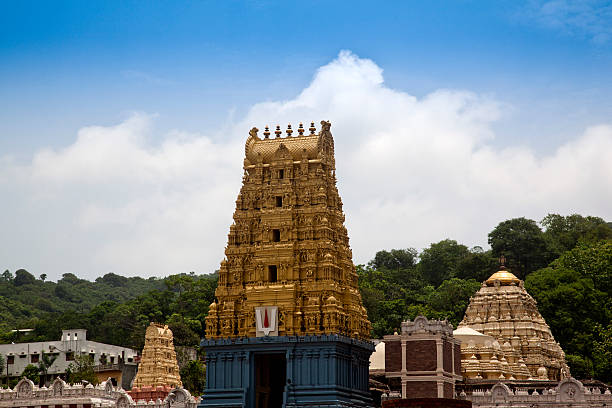
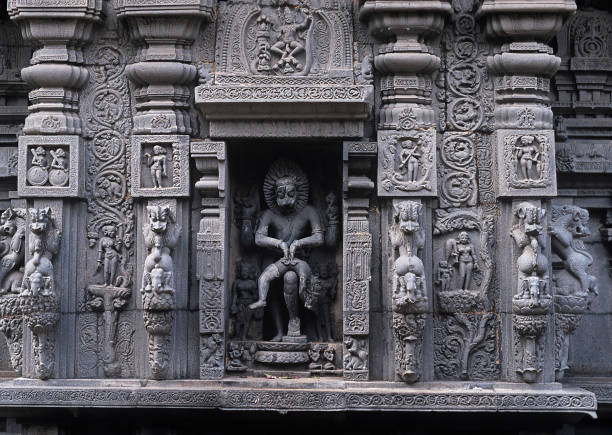
Simhachalam Temple is a masterpiece of traditional Indian temple craftsmanship. Its architecture reflects a blend of Dravidian and Kalinga styles, characterized by:
- A magnificent gopuram leading to the temple complex
- Enclosed courtyards that resemble fort-like structures
- Intricately carved pillars and stone mandapas
- A richly decorated sanctum housing the deity
The hilltop location provides spectacular views of the Eastern Ghats and Visakhapatnam city, adding to the divine ambience.
Temple Timings & Best Time to Visit
Although timings may vary on festival days, the temple typically remains open from early morning until late evening. Morning visits offer peaceful darshan and a cooler climate.
Best Seasons
- October to March – Pleasant weather and ideal for travel
- Chandanotsavam Festival – Once-a-year opportunity to see the deity without sandal paste
Narasimha Jayanti & Vaisakha Masam – Peak devotional period
How to Reach Simhachalam Temple
By Road
Simhachalam is well connected by road. Visitors can use local buses, taxis, or private vehicles to reach the base of the hill. There are also designated routes for vehicles to drive up to the temple entrance.
By Rail
Visakhapatnam Railway Station is the nearest major station. From there, autos and taxis are easily available.
By Air
Visakhapatnam International Airport is the closest airport. The temple is a short drive from the city.
Festivals Celebrated at Simhachalam
Chandanotsavam
The most significant festival of the year, during which the sandalwood paste covering the deity is removed. Devotees consider this darshan extremely auspicious.
Narasimha Jayanti
Celebrates the appearance day of Lord Narasimha with grand rituals.
Navaratri & Other Festive Days
The temple witnesses large gatherings, special decorations, and extended darshan hours.
Why Visit Simhachalam Temple?
- One of the most powerful temples devoted to Narasimha Swamy
- Unique deity worshipped in Varaha + Narasimha form
- Rich historical and architectural heritage
- Serene hilltop environment perfect for spiritual seekers
- Special rituals and festivals that attract thousands of pilgrims
Whether you’re drawn by devotion, heritage, or scenic beauty, Simhachalam Temple offers a deeply enriching experience.
Top Places to Visit Near Simhachalam Temple
Some of Visakhapatnam’s most exquisite and culturally significant landmarks surround Simhachalam Temple.
1. Indira Gandhi Zoological Park
A lush, family-friendly zoo featuring diverse wildlife and nature trails — perfect for a relaxed outing.
2. Kambalakonda Wildlife Sanctuary
A peaceful natural reserve known for trekking, birdwatching, and its vibrant green landscapes.
3. Kailasagiri Hill Park
One of Vizag’s most iconic viewpoints offering ropeway rides, panoramic scenery, landscaped gardens, and photo-worthy spots.
4. Ramakrishna Beach (RK Beach)
A popular beachfront ideal for evening walks, sunrise views, and casual dining while enjoying the sea breeze.
5. INS Kurusura Submarine Museum
A unique naval attraction built inside a real submarine, showcasing maritime history and naval operations.
6. Yarada & Lawsons Bay Beaches
Quieter beaches offering serene views, soft sands, and peaceful surroundings for nature lovers.
7. Buddhist Heritage Sites: Thotlakonda & Bavikonda
Ancient hilltop monasteries with archaeological significance, stunning views, and a calm spiritual atmosphere.
8. Araku Valley (Day Trip)
A scenic hill station known for waterfalls, coffee estates, tribal culture, and pleasant weather — ideal for full-day sightseeing.
These nearby destinations create a complete travel experience by blending spirituality, nature, heritage, and relaxation.
Accommodation Options Near Simhachalam Temple
Visitors have a wide range of accommodation choices around Simhachalam and the Visakhapatnam city area. You can pick based on proximity, budget, and travel preferences.
1. Lodges & Guest Houses Near the Temple
Affordable stays suited for devotees who prefer simple rooms and easy access to early morning darshan.
2. Mid-Range Hotels in Visakhapatnam City
Comfortable hotels offering AC rooms, dining options, parking, and modern amenities. These are ideal for families and travelers wanting a balance of comfort and convenience.
3. Premium & Business Hotels
Well-appointed hotels located a short drive from the temple. These options are great for longer stays or visitors seeking extra comfort, spacious rooms, and professional services.
4. Homestays & Serviced Apartments
Perfect for those looking for a home-like environment, especially families, groups, or long-term travelers.
Tips for Choosing the Best Stay
- Book early during festival seasons, weekends, and holidays.
- Choose temple-side accommodation for quick darshan visits.
- Select beach or city hotels if sightseeing is a priority.
- Check for amenities like parking, travel desk, breakfast, and elevator access.
Simhachalam View Point
Simhachalam View Point is a picturesque hilltop location close to the well-known Simhachalam temple area in Visakhapatnam, Andhra Pradesh, along the Simhachalam Ghat Road. Set amidst lush Eastern Ghats greenery, this viewpoint offers a calm pause for travelers heading to or returning from Simhachalam.
From the viewpoint, visitors can enjoy wide panoramic views of forest-covered hills, winding roads, and parts of Visakhapatnam city on clear days. Early mornings and late evenings are especially popular, as the soft light and cool breeze create a peaceful atmosphere ideal for photography and short breaks.
The location is easily accessible by road and is often visited by devotees, nature lovers, cyclists, and weekend travelers. While it is not a commercial tourist complex, its natural charm and quiet surroundings make it a refreshing stop away from city noise. The Simhachalam Viewpoint is best enjoyed during pleasant weather months, when visibility is high and the landscape appears vibrant and green.
Summary
Simhachalam offers the ideal combination of devotional experience and sightseeing opportunities. With numerous attractions nearby and a variety of accommodation options, the region caters to every type of traveler — from pilgrims to families and tourists exploring the beauty of Visakhapatnam.
Frequently Asked Questions (FAQs)
1. What makes Simhachalam Temple unique?
It houses the deity in a rare combined form of Varaha and Narasimha, making it one of the few temples in India with this manifestation.
2. Why is the idol covered with sandalwood?
The sandal paste cools the fierce energy of the deity, and it is removed only once a year during Chandanotsavam.
3. How far is Simhachalam from Visakhapatnam city?
The temple is around 16–18 km from Visakhapatnam city center.
4. What is the best time to visit?
October to March is ideal. Chandanotsavam and Narasimha Jayanti are peak festival days.
5. Is vehicle access available up the hill?
Yes. Pilgrims can reach the top via a motorable road or choose to climb using the steps.

Leave A Comment