
Nestled in the spiritually rich town of Pushkar in Rajasthan, Manibandh Shakti Peeth stands as a powerful symbol of divine feminine energy. Unlike ordinary temples, this sacred site is deeply connected to ancient mythology and cosmic events described in Hindu scriptures.
Recognized as one among the 51 revered Shakti Peethas, this temple holds a special place in the hearts of devotees. It is believed that the wrist of Goddess Sati fell here, making it a spiritually charged location where devotees come to seek blessings, strength, and peace.
Where is Manibandh Shakti Peeth Located?
Manibandh Shakti Peeth is located in Pushkar, a holy town near Ajmer in Rajasthan. Pushkar itself is one of the oldest pilgrimage sites in India and is famous for its sacred lake and temples.
- Distance from Ajmer: ~15 km
- Nearest Railway Station: Ajmer Junction
- Nearest Airport: Jaipur (around 150 km)
The temple is easily reachable by road, and the journey itself is peaceful, surrounded by desert landscapes and hills.
The Sacred Story Behind the Temple
The origin of this Shakti Peeth comes from a powerful and emotional story in Hindu mythology.
Goddess Sati, the wife of Lord Shiva, chose to sacrifice herself during a sacred ritual (yajna) conducted by her father, Daksha, after he insulted Shiva. Unable to bear the loss, Lord Shiva carried her body and wandered across the universe in grief.
To bring balance back to the cosmos, Lord Vishnu intervened and separated Sati’s body into multiple parts using his divine weapon. These body parts fell in different locations, which later became known as Shakti Peethas.
At Pushkar, it is believed that Sati’s wrist (Manibandh) fell — giving this temple its name.
Here, the Goddess is worshipped in the form of Gayatri (also linked to Savitri), representing wisdom and divine power.
Temple Experience and Atmosphere
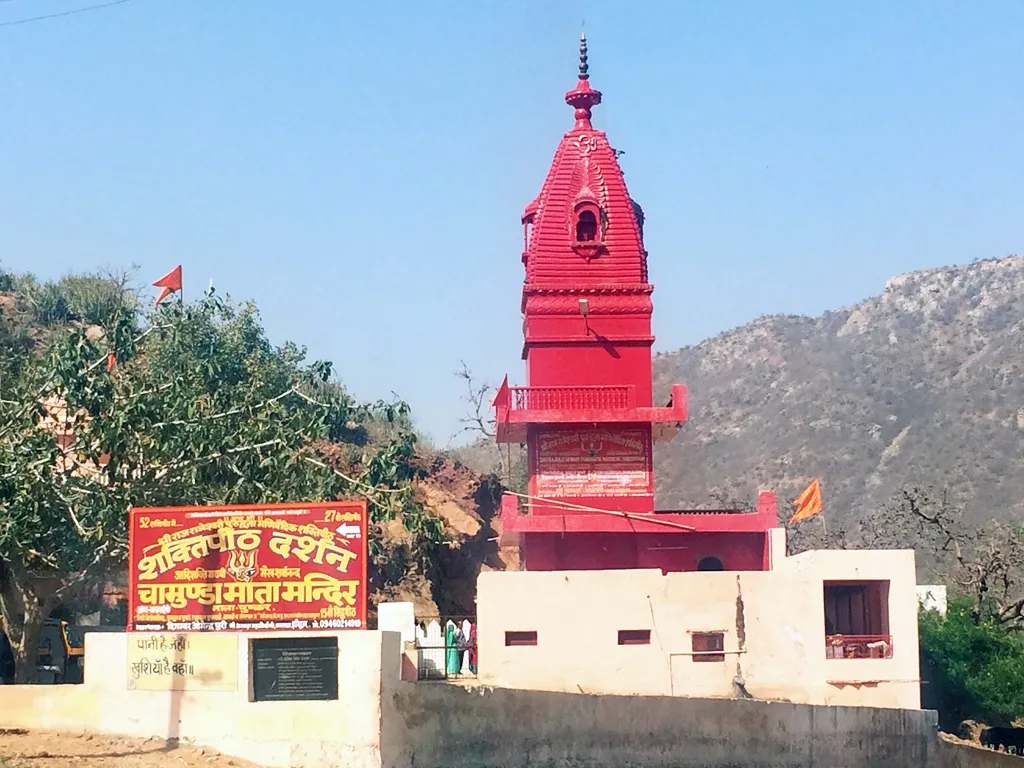
Exterior view of Manibandh Shakti Peeth temple in Pushkar
The beauty of Manibandh Shakti Peeth lies not in grand structures but in its deep spiritual aura.
The temple has a simple yet traditional design, reflecting the architectural style of Rajasthan. As you enter the premises, you can feel a sense of calmness and devotion in the air.
What makes this temple special:
- Peaceful surroundings ideal for prayer and meditation
- Strong spiritual vibrations felt by devotees
- Scenic views of Pushkar town nearby
- Close proximity to other important temples
Many visitors describe their experience here as calming and spiritually uplifting.
Rituals and Daily Worship
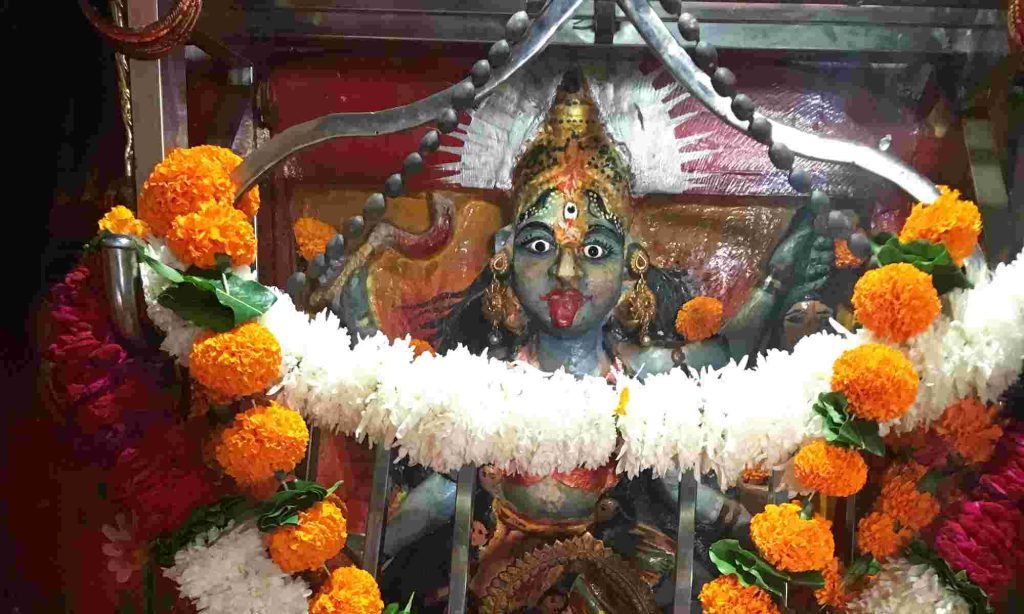
Divine idol of Goddess at Manibandh Shakti Peeth adorned with flowers
Daily rituals at the temple are performed with sincerity and devotion. The environment during prayer times becomes especially divine.
Regular Practices:
- Morning and evening aarti
- Chanting of sacred mantras
- Offerings made by devotees
- Special prayers during festivals
One of the most important practices here is the chanting of the Gayatri Mantra, which is believed to purify the mind and bring clarity to life.
Festivals Celebrated
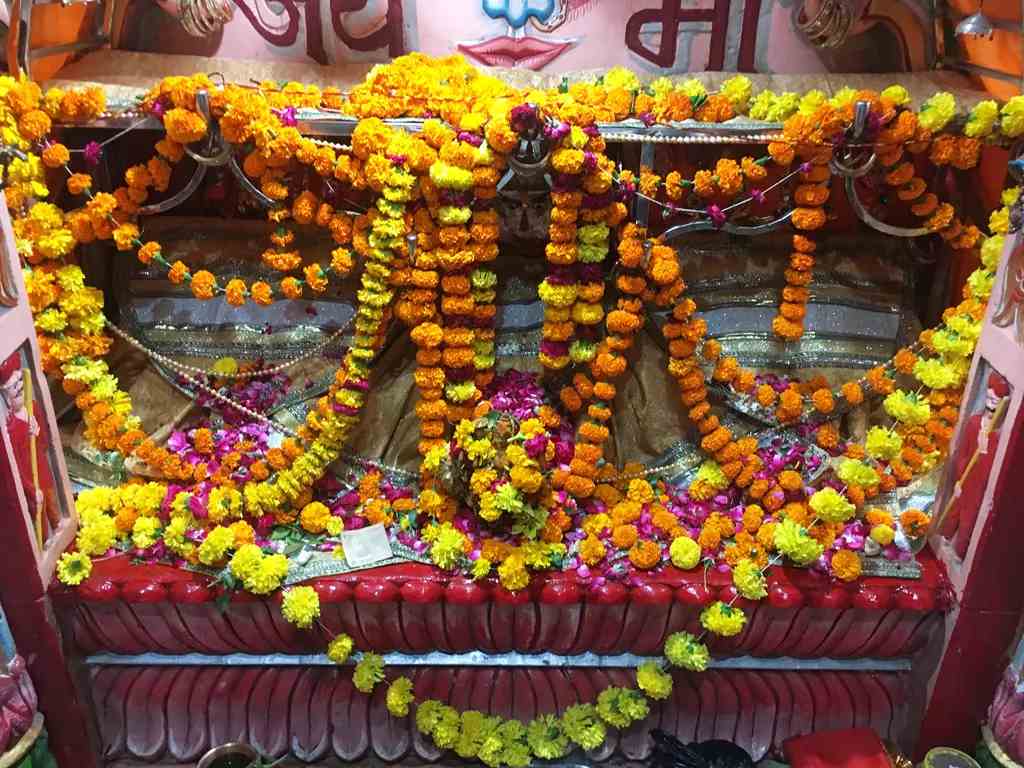
Holy shrine of Manibandh Shakti Peeth decorated with flowers
Festivals bring a vibrant energy to the temple, attracting devotees from different parts of the country.
Major Occasions:
- Navratri: The most significant time, dedicated to the worship of Goddess Shakti
- Durga-related celebrations: Marked by devotion and rituals
- Pushkar Fair period: A mix of spirituality and cultural vibrance
During these times, the temple becomes lively, filled with prayers, chants, and devotion.
Why Devotees Visit Manibandh Shakti Peeth
People visit this sacred place not just for rituals, but for inner transformation.
Many believe that prayers offered here can:
- Help overcome personal challenges
- Bring emotional balance and peace
- Remove negative influences
- Strengthen faith and confidence
- Guide individuals in difficult phases of life
It is considered especially beneficial for those seeking mental clarity and spiritual growth.
Travel Guide
By Train:
Ajmer Junction is the nearest and most convenient railway station.
By Air:
Jaipur Airport is the closest option for air travelers.
By Road:
Pushkar is well-connected with good road networks. Buses, taxis, and private vehicles are easily available.
Best Time to Visit
Choosing the right time can enhance your spiritual experience.
- October to March: Comfortable weather for travel
- Navratri period: Highly auspicious
- Early mornings: Ideal for peaceful darshan
Avoid peak summer afternoons as temperatures can be high.
Tips for Visitors
- Wear modest clothing suitable for a temple visit
- Carry water if exploring nearby areas
- Visit during less crowded hours for a better experience
- Respect local customs and traditions
- Combine your visit with other temples in Pushkar
Frequently Asked Questions (FAQs)
1. What is the significance of Manibandh Shakti Peeth?
It is believed to be the place where the wrist of Goddess Sati fell, making it a powerful spiritual site.
2. Which form of Goddess is worshipped here?
The Goddess is worshipped as Gayatri, symbolizing wisdom and divine energy.
3. Is the temple easily accessible?
Yes, it is well-connected by road and is close to Ajmer.
4. When is the best time to visit?
The winter months and Navratri festival are considered ideal.
5. Can beginners or tourists visit this temple?
Yes, both devotees and tourists can visit and experience its spiritual atmosphere.
6. Is Pushkar worth visiting apart from this temple?
Absolutely, Pushkar is one of the most sacred towns with multiple temples and a holy lake.
Conclusion
Manibandh Shakti Peeth is more than just a religious destination—it is a place where mythology, devotion, and inner peace come together. Its connection to Goddess Sati makes it one of the most spiritually significant locations in India.
A visit here is not just about rituals, but about experiencing a deeper connection with divine energy. Whether you are on a pilgrimage or exploring India’s sacred heritage, this temple offers a meaningful and peaceful journey.

Leave A Comment