
Raja Rani Temple Bhubaneswar: A Timeless Architectural Marvel
The Raja Rani Temple in Bhubaneswar is one of the most beautiful and historically significant temples in Odisha. Known for its exquisite carvings, stunning architecture, and peaceful surroundings, this 11th-century temple attracts thousands of tourists, history enthusiasts, and architecture lovers every year. Unlike many temples in India, Raja Rani Temple is unique because it is not associated with any active deity worship today, making it a fascinating monument rather than a traditional place of worship.
Located in the heart of Bhubaneswar, often called the “Temple City of India,” Raja Rani Temple stands as a magnificent example of Kalinga architecture. Its intricate sculptures depicting celestial beings, musicians, dancers, and romantic couples have earned it the nickname “Temple of Love.”
In this detailed guide, you will discover the history, architecture, significance, timings, entry fee, best time to visit, and travel tips for Raja Rani Temple Bhubaneswar.
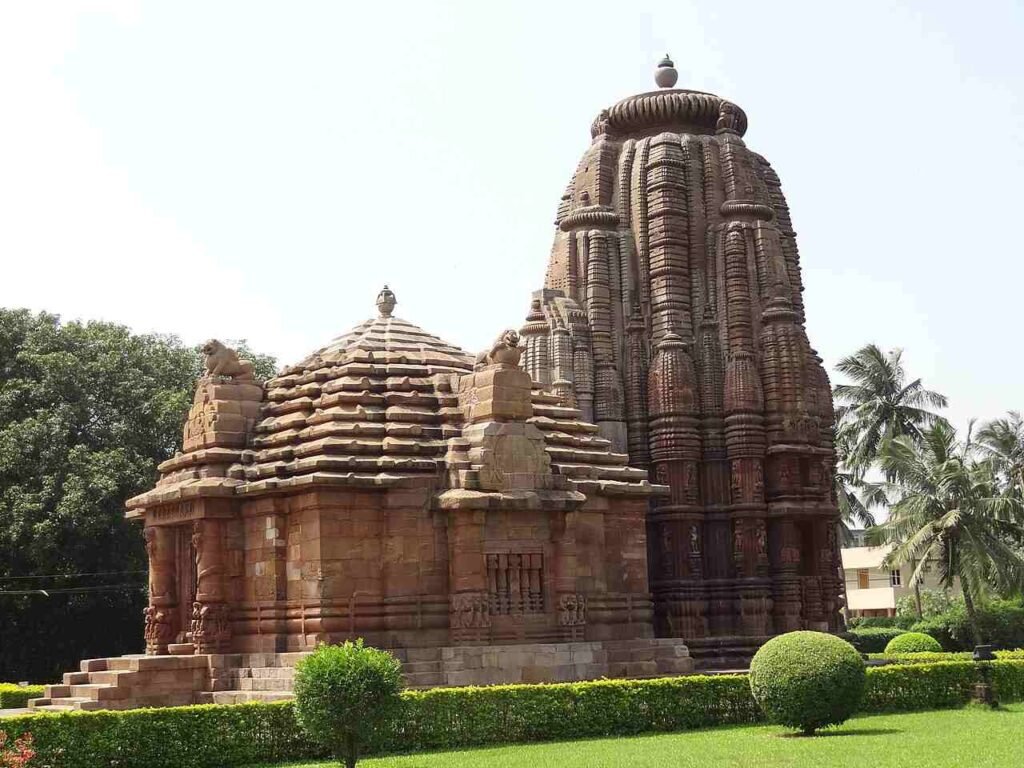
History of Raja Rani Temple
The Raja Rani Temple was constructed around the 11th century during the reign of the Somavamsi dynasty. Historians believe the temple was originally dedicated to Lord Shiva, although no presiding deity exists within the sanctum today.
The name “Raja Rani” does not refer to any king and queen. Instead, it originates from the reddish-gold sandstone known locally as “Rajarania” used in the temple’s construction.
Archaeological studies suggest that the temple played an important role in the evolution of Odisha’s temple architecture. Today, it is protected and maintained by the Archaeological Survey of India (ASI).
Architectural Brilliance of Raja Rani Temple
One of the biggest attractions of Raja Rani Temple Bhubaneswar is its exceptional architecture. The temple showcases the mature phase of Kalinga-style architecture that later influenced many famous temples across Odisha.
Key Architectural Features
1. Magnificent Vimana
The main tower, known as the Vimana, rises approximately 18 meters high and dominates the temple complex. Its elegant vertical structure reflects the advanced engineering skills of medieval Odisha.
2. Intricate Stone Carvings
The temple walls feature detailed carvings of:
- Divine figures
- Apsaras (celestial dancers)
- Musicians
- Guardians
- Mythological creatures
- Romantic couples
These carvings demonstrate extraordinary craftsmanship and artistic sophistication.
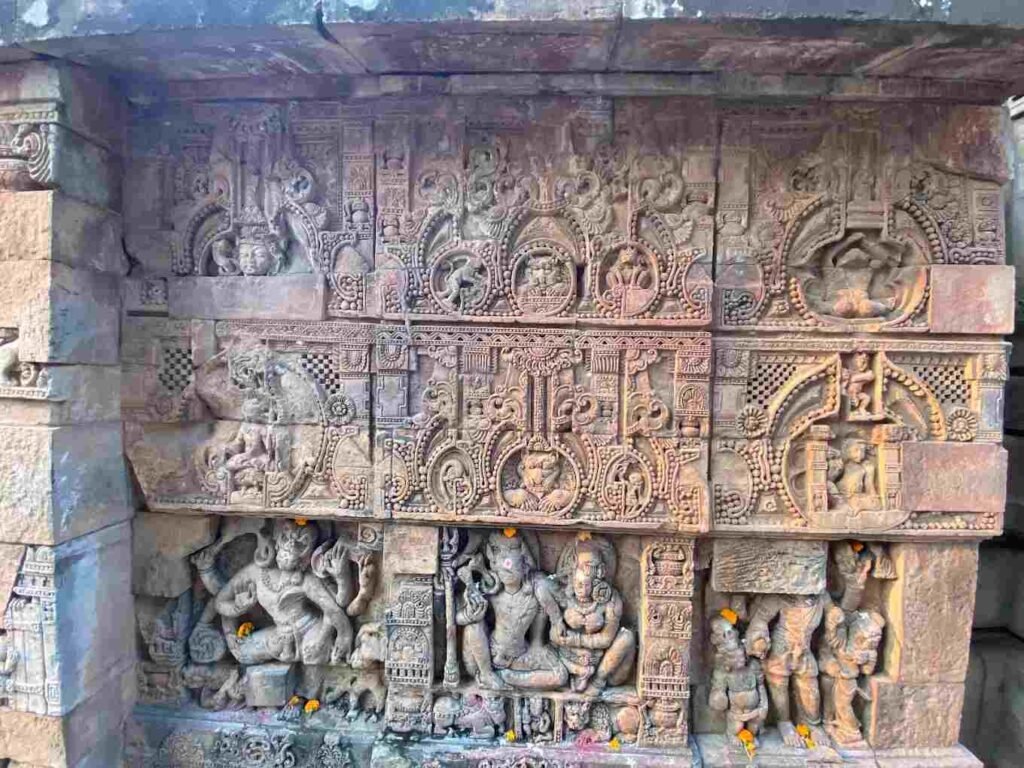
3. Decorative Sculptures
The sculptures portray various aspects of daily life, spirituality, dance, and music, offering valuable insights into medieval Odishan culture.
4. Beautiful Gardens
The temple complex is surrounded by well-maintained gardens, creating a serene atmosphere for visitors and photographers.
Why Raja Rani Temple is Called the Temple of Love
Raja Rani Temple is often referred to as the “Temple of Love” due to the presence of numerous sculpted couples adorning its exterior walls. These artistic depictions symbolize beauty, affection, and human emotions.
Unlike the erotic sculptures found at some other Indian temples, the carvings here are elegant and refined, emphasizing artistic expression rather than sensuality. This distinctive feature makes the temple one of Bhubaneswar’s most photographed monuments.
Religious Significance
Many historians believe the temple was once dedicated to Lord Shiva, even though no deity is currently worshipped inside. Evidence supporting this theory includes the presence of Shaivite motifs and sculptures around the temple structure.
Today, the temple serves primarily as a historical monument and cultural heritage site rather than an active religious center.
Raja Rani Music Festival
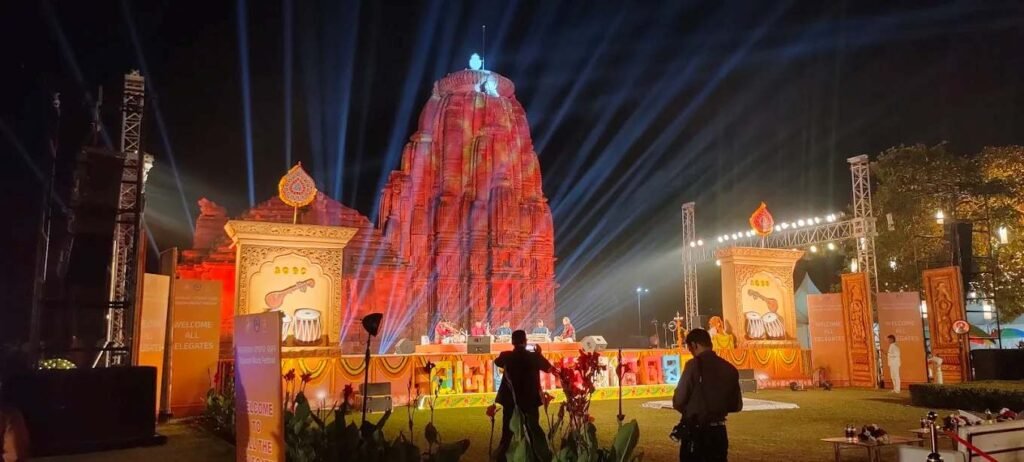
One of the major attractions associated with the temple is the annual Raja Rani Music Festival. Organized by the Odisha Tourism Department, the festival celebrates India’s rich classical music traditions.
The event attracts renowned artists performing:
- Hindustani Classical Music
- Carnatic Music
- Instrumental Performances
- Traditional Cultural Programs
The illuminated temple backdrop creates a magical setting that enhances the overall experience for visitors.
Timings of Raja Rani Temple Bhubaneswar
Opening Hours
- Opening Time: 8:00 AM
- Closing Time: 5:00 PM
Visitors are advised to arrive early in the morning or late afternoon to enjoy pleasant weather and better photography conditions.
Raja Rani Temple Entry Fee
Ticket Charges
For Indian Citizens:
- Nominal entry fee as prescribed by ASI
For Foreign Tourists:
- Separate ticket fee applicable
Children below a specified age may enter free according to current ASI guidelines.
Visitors should verify updated ticket prices before planning their trip.
Best Time to Visit Raja Rani Temple
The ideal time to visit Raja Rani Temple is between October and March when the weather in Bhubaneswar remains comfortable and pleasant.
Seasonal Guide
Winter (October to March)
- Best sightseeing weather
- Pleasant temperatures
- Ideal for photography
Summer (April to June)
- Hot and humid conditions
- Midday visits may be uncomfortable
Monsoon (July to September)
- Lush greenery around the temple
- Occasional rainfall
- Fewer crowds
How to Reach Raja Rani Temple
By Air
The nearest airport is Biju Patnaik International Airport in Bhubaneswar, located approximately 5 kilometers away.
By Train
Bhubaneswar Railway Station is about 4 kilometers from the temple and is well connected to major Indian cities.
By Road
The temple is easily accessible by local buses, taxis, auto-rickshaws, and app-based cab services.
Nearby Attractions
While visiting Raja Rani Temple, travelers can also explore:
Lingaraj Temple
One of Odisha’s most sacred Shiva temples.
Mukteswara Temple
Famous for its exquisite archway and detailed carvings.
Udayagiri and Khandagiri Caves
Ancient rock-cut caves with historical significance.
Dhauli Shanti Stupa
A prominent Buddhist peace pagoda associated with Emperor Ashoka.
Odisha State Museum
Ideal for history and culture enthusiasts.
Photography Tips
The temple is a paradise for photographers. For the best shots:
- Visit during sunrise or sunset.
- Capture the detailed stone carvings.
- Explore different angles around the main tower.
- Include the landscaped gardens in wide-angle compositions.
Travel Tips for Visitors
- Wear comfortable footwear.
- Carry drinking water during summer.
- Respect heritage conservation guidelines.
- Avoid touching delicate carvings.
- Bring a camera to capture the architectural beauty.
Conclusion
The Raja Rani Temple Bhubaneswar stands as one of Odisha’s finest architectural treasures. Its stunning sandstone carvings, historical significance, and peaceful surroundings make it a must-visit destination for travelers exploring Bhubaneswar. Whether you are a history enthusiast, architecture lover, photographer, or cultural explorer, this magnificent temple offers an unforgettable glimpse into Odisha’s glorious past.
A visit to Raja Rani Temple is not merely sightseeing—it’s a journey through centuries of artistic excellence and cultural heritage.
Frequently Asked Questions (FAQs)
1. Why is Raja Rani Temple famous?
Raja Rani Temple is famous for its magnificent Kalinga architecture, intricate stone carvings, and beautiful sculptures of celestial beings and romantic couples.
2. Who built Raja Rani Temple?
The temple was built during the 11th century under the Somavamsi dynasty.
3. Is Raja Rani Temple dedicated to Lord Shiva?
Historians believe the temple was originally dedicated to Lord Shiva, although no deity is currently worshipped there.
4. What is the best time to visit Raja Rani Temple?
The best time to visit is from October to March when the weather is pleasant.
5. What are the temple timings?
Raja Rani Temple is generally open from 8:00 AM to 5:00 PM.
6. What is special about the Raja Rani Music Festival?
The festival showcases classical Indian music performances against the backdrop of the illuminated temple, creating a unique cultural experience.

Leave A Comment