
Among the many historic temples that make Bhubaneswar the “Temple City of India,” the Ananta Vasudeva Temple occupies a special place. Dedicated to Lord Krishna, this centuries-old shrine is one of the few major Vaishnavite temples in a city predominantly known for its Shaivite heritage. Situated near the sacred Bindu Sagar Lake, the temple attracts pilgrims, history lovers, architecture enthusiasts, and tourists throughout the year.
Known for its spiritual significance, remarkable Kalinga architecture, and traditional temple cuisine, the Ananta Vasudeva Temple offers visitors a unique glimpse into Odisha’s rich cultural and religious traditions. Whether you seek divine blessings or wish to explore the architectural wonders of ancient India, this temple provides a memorable experience.
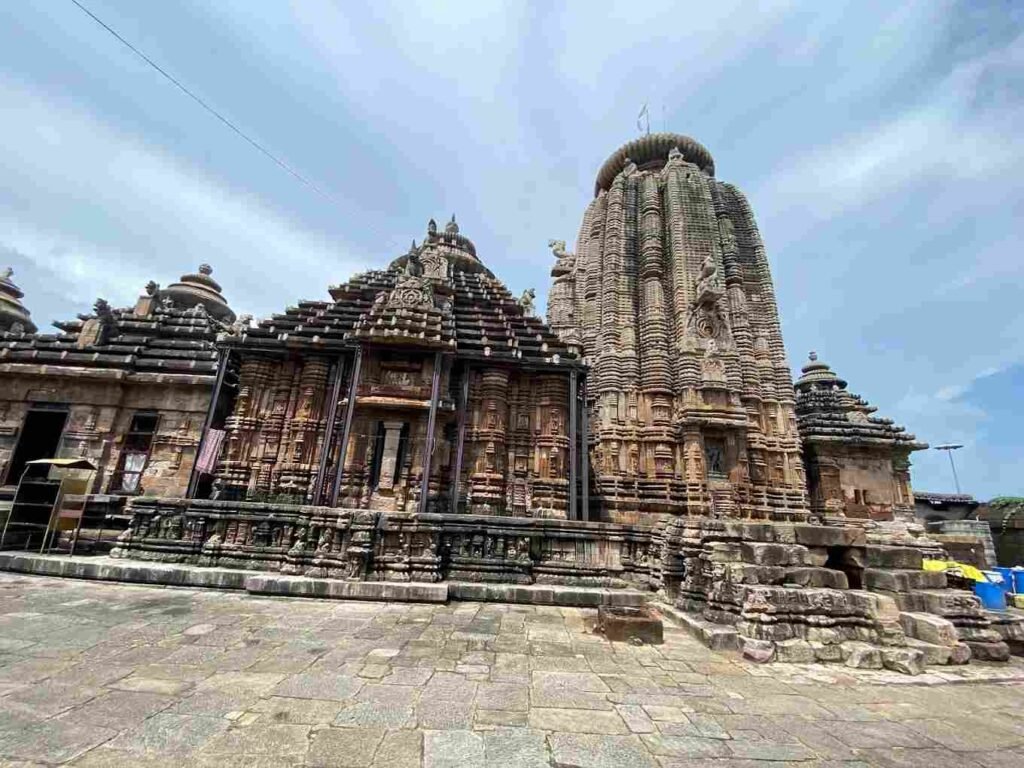
History of Ananta Vasudeva Temple
The Ananta Vasudeva Temple was built during the 13th century under the patronage of Queen Chandrika Devi, a member of the Eastern Ganga dynasty. Historical inscriptions indicate that the temple was constructed to promote the worship of Lord Vishnu and his incarnations in the region.
At a time when most temples in Bhubaneswar were dedicated to Lord Shiva, the establishment of this Krishna temple marked an important chapter in Odisha’s religious history. Over the centuries, the temple has remained a vibrant center of worship and continues to preserve ancient Vaishnavite traditions.
The name “Ananta Vasudeva” refers to the eternal form of Lord Vishnu. The temple reflects the enduring faith of devotees who have visited this sacred site for generations.
Religious Importance
The temple is highly revered among followers of Lord Krishna and Lord Vishnu. The sanctum houses beautifully carved idols of:
- Lord Krishna (Vasudeva)
- Lord Balarama
- Goddess Subhadra
This sacred trio closely resembles the deities worshipped at the famous Jagannath Temple in Puri, creating a spiritual connection between the two holy sites.
Devotees visit the temple to offer prayers for peace, prosperity, health, and spiritual well-being. Many believe that worshipping here helps strengthen devotion and brings positive energy into one’s life.
Architectural Beauty
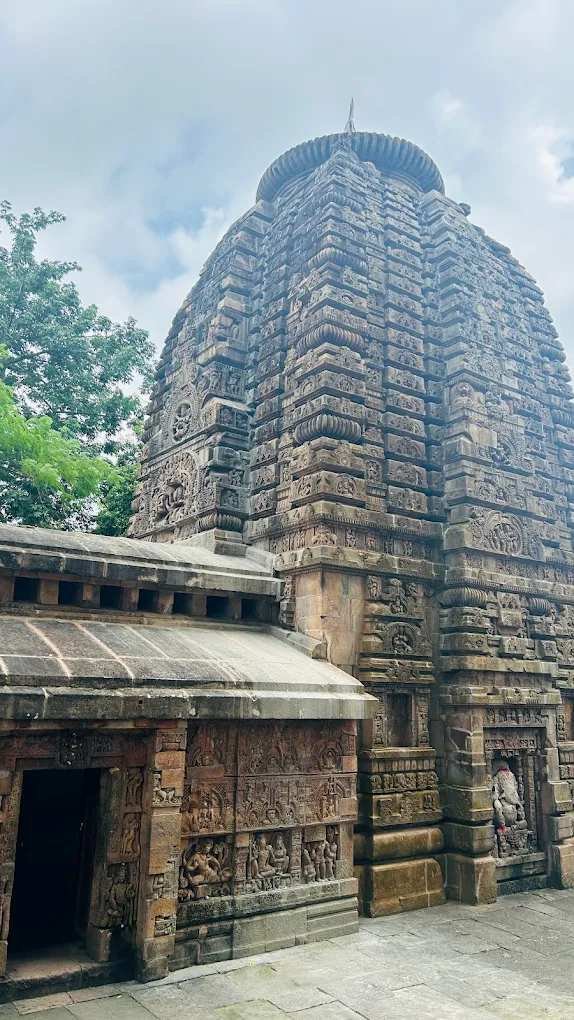
The Ananta Vasudeva Temple is a fine example of traditional Kalinga architecture, a style that flourished in Odisha between the 7th and 13th centuries. Every section of the temple showcases exceptional craftsmanship and artistic excellence.
Main Sanctum
The towering sanctum, known as the Deul, rises prominently above the temple complex. Its vertical design and intricate carvings reflect the hallmark features of Odishan temple architecture.
Assembly Hall
The Jagamohana, or assembly hall, serves as the gathering space for devotees. Its beautifully sculpted pillars and decorative motifs add to the temple’s grandeur.
Detailed Stone Carvings
The temple walls feature exquisite carvings depicting:
- Hindu gods and goddesses
- Mythological scenes
- Floral patterns
- Celestial figures
- Traditional decorative designs
These sculptures not only enhance the temple’s beauty but also provide insights into medieval Odisha’s artistic heritage.
The Famous Temple Kitchen
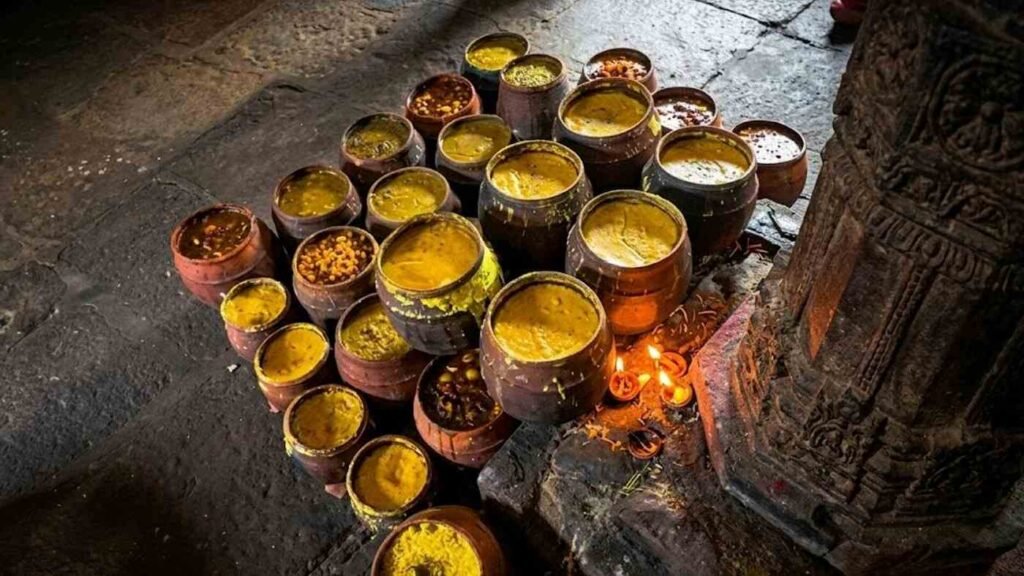
One of the most distinctive aspects of the Ananta Vasudeva Temple is its traditional kitchen. The temple is renowned for preparing sacred food offerings using age-old cooking methods that have been preserved for centuries.
Fresh ingredients are cooked daily and offered to the deities before being distributed to devotees as Mahaprasad. The food is prepared with devotion and follows strict religious guidelines.
Popular offerings include:
- Rice preparations
- Dal dishes
- Seasonal vegetables
- Traditional Odia recipes
- Sacred sweets
Many visitors consider tasting the Mahaprasad an important part of their temple experience.
Festivals Celebrated at the Temple
The temple hosts several religious festivals throughout the year, attracting thousands of devotees.
Janmashtami
The birth anniversary of Lord Krishna is celebrated with special rituals, devotional singing, and elaborate decorations.
Dol Purnima
This vibrant festival marks the arrival of spring and includes cultural programs and religious ceremonies.
Rath Yatra Celebrations
Special prayers and rituals are conducted to honor Lord Jagannath and associated deities.
Kartik Observances
The holy month of Kartik witnesses increased pilgrim activity and special worship services.
Vaikuntha Ekadashi
Devotees gather in large numbers to seek the blessings of Lord Vishnu on this auspicious day.
Best Time to Visit
The most comfortable time to visit the Ananta Vasudeva Temple is between October and March. During these months, the weather remains pleasant, making sightseeing and temple visits enjoyable.
Visitors interested in experiencing the temple’s festive atmosphere may plan their trip during Janmashtami or other major religious celebrations.
Early morning visits are particularly rewarding, as the surroundings are peaceful and less crowded.
Temple Timings
The temple generally follows the schedule below:
- Morning: 6:00 AM to 12:00 PM
- Evening: 3:00 PM to 9:00 PM
Timings may vary on festival days and special occasions. Visitors should check local schedules before planning their visit.
How to Reach Ananta Vasudeva Temple
By Air
Biju Patnaik International Airport in Bhubaneswar is the nearest airport. The temple is only a short drive away from the airport.
By Train
Bhubaneswar Railway Station provides excellent connectivity to major Indian cities and is conveniently located near the temple.
By Road
Regular buses, taxis, auto-rickshaws, and app-based cab services make it easy to reach the temple from any part of Bhubaneswar.
Nearby Attractions
A visit to the Ananta Vasudeva Temple can be combined with several nearby landmarks:
- Lingaraj Temple
- Bindu Sagar Lake
- Mukteswara Temple
- Rajarani Temple
- Odisha State Museum
These attractions offer a deeper understanding of Odisha’s rich spiritual and cultural heritage.
Visitor Tips
- Wear modest and comfortable clothing.
- Remove footwear before entering the temple premises.
- Maintain silence and respect religious customs.
- Visit during morning hours for a peaceful experience.
- Carry drinking water during summer months.
- Don’t miss the opportunity to try the temple Mahaprasad.
Why Visit Ananta Vasudeva Temple?
The Ananta Vasudeva Temple is more than a place of worship—it is a living symbol of Odisha’s history, culture, and devotion. Its ancient architecture, spiritual atmosphere, and traditional rituals make it one of Bhubaneswar’s most fascinating heritage sites. Whether you are a pilgrim, traveler, or history enthusiast, this temple offers a meaningful and enriching journey into India’s timeless traditions.
Frequently Asked Questions (FAQs)
1. Where is Ananta Vasudeva Temple located?
The temple is located near Bindu Sagar Lake in Bhubaneswar, Odisha.
2. Which deity is worshipped here?
The temple is dedicated to Lord Krishna, along with Lord Balarama and Goddess Subhadra.
3. Who built Ananta Vasudeva Temple?
Queen Chandrika Devi of the Eastern Ganga dynasty is credited with its construction during the 13th century.
4. Why is the temple famous?
It is known for its Krishna worship, Kalinga-style architecture, and traditional Mahaprasad.
5. What is the best time to visit?
October to March is considered the best period due to pleasant weather.
6. Is Mahaprasad available at the temple?
Yes, devotees can receive sacred Mahaprasad prepared in the temple kitchen.
7. Are photography and videography allowed?
Visitors should follow the latest guidelines issued by the temple authorities.
8. How far is the temple from Bhubaneswar Airport?
The temple is approximately 5–6 kilometers from the airport.
9. Which festivals are celebrated here?
Janmashtami, Dol Purnima, Kartik celebrations, Rath Yatra, and Vaikuntha Ekadashi are among the major festivals.
10. Can tourists visit the temple?
Yes, both pilgrims and tourists are welcome to explore the temple and its heritage.

Leave A Comment