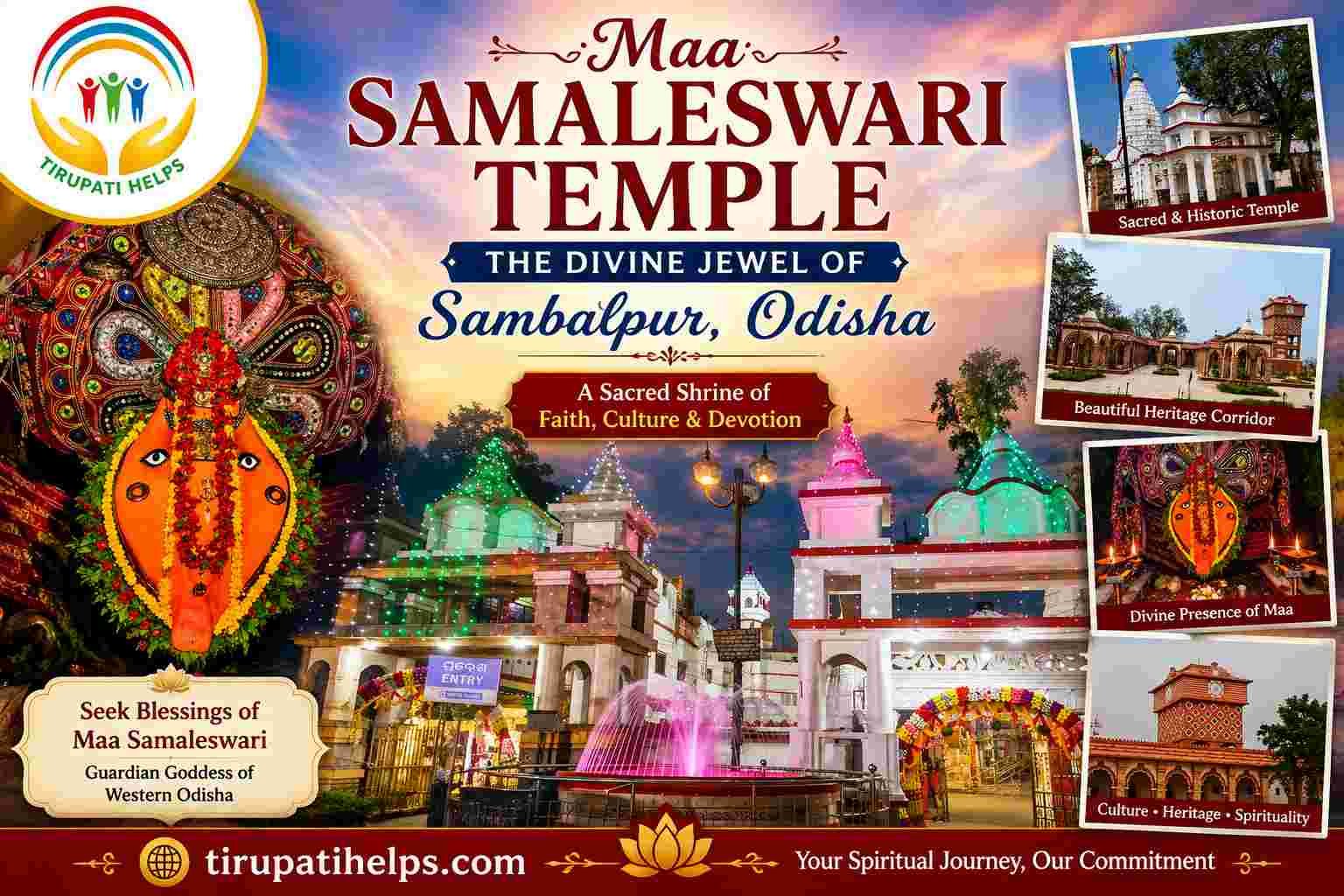
Maa Samaleswari Temple – A Sacred Destination in Western Odisha
This temple is one of the most important pilgrimage sites in Odisha. Situated in the heart of Sambalpur city, this ancient shrine attracts devotees, tourists, and spiritual seekers from across India. Dedicated to Goddess Samaleswari, affectionately known as Samalei Maa, the temple serves as a symbol of faith, devotion, and cultural pride for the people of Western Odisha.
Unlike many religious sites that focus solely on worship, this temple also reflects the region’s rich traditions and historical legacy. Moreover, the temple continues to play a significant role in the daily lives of local communities. Whether visitors come for spiritual reasons or cultural exploration, the temple offers a unique and memorable experience.
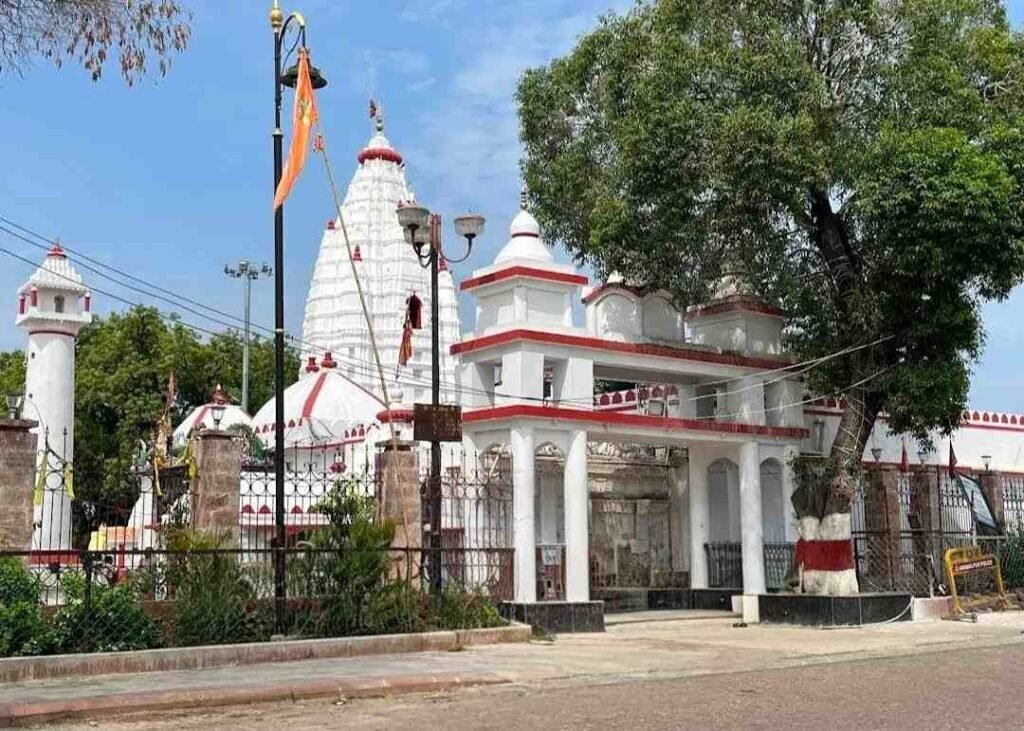
The History of Maa Samaleswari Temple
The story of this tempple is deeply connected to the history of Sambalpur. According to local traditions, people worshipped the goddess long before the construction of the present temple. Ancient communities regarded her as a powerful protector who safeguarded the land and its people.
Later, regional rulers established a formal temple dedicated to the goddess. As the influence of Sambalpur grew, devotion to Maa Samaleswari spread throughout Western Odisha. Consequently, the temple became one of the region’s most respected religious centers.
Over the centuries, devotees have preserved the temple’s customs, rituals, and traditions. As a result, this temple remains a vibrant center of spirituality and cultural heritage.
Who is Maa Samaleswari?
Maa Samaleswari is worshipped as a manifestation of Shakti, the divine feminine energy in Hinduism. Devotees believe she protects families, blesses businesses, and guides people through life’s challenges.
Interestingly, the goddess is associated with both tribal traditions and mainstream Hindu worship. Therefore, the temple represents a beautiful blend of ancient cultural practices and religious beliefs. Many people also consider her the guardian deity of Sambalpur and surrounding regions.
Because of her compassionate nature, devotees affectionately refer to her as Samalei Maa, meaning the divine mother who cares for her children.
Unique Features of Maa Samaleswari Temple
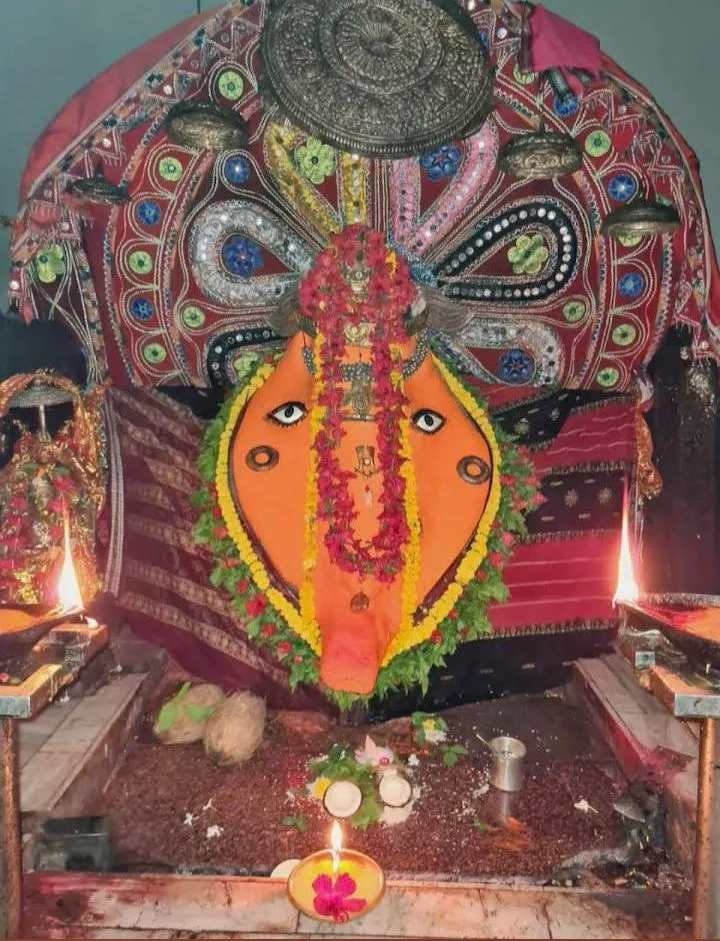
One of the most fascinating aspects of this temple is the sacred form of the deity. Unlike many temples that feature elaborate stone sculptures, the goddess is worshipped in a unique and symbolic form.
Additionally, the temple’s spiritual atmosphere creates a strong sense of peace and devotion. Pilgrims often describe their visit as both uplifting and transformative. Furthermore, the temple’s location near the Mahanadi River enhances its serene surroundings.
Another distinctive feature is the deep connection between the temple and local culture. In fact, many festivals and community celebrations revolve around the blessings of Maa Samaleswari.
Architecture of Maa Samaleswari Temple
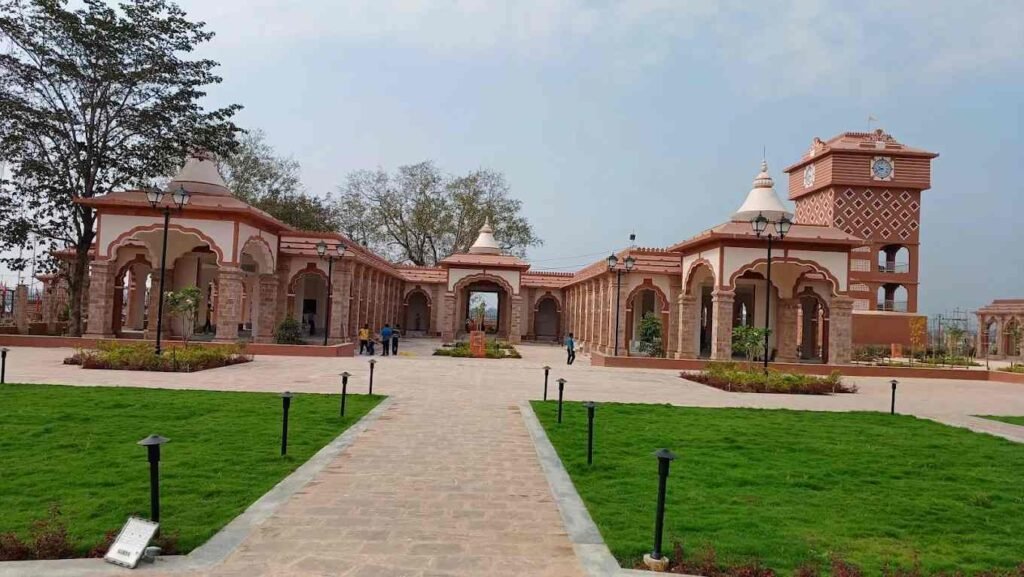
Although the temple is not among the largest religious structures in India, its architecture reflects traditional Odishan craftsmanship. The temple complex combines simplicity with spiritual elegance.
Visitors can explore several important sections, including:
Main Sanctum
The sanctum houses the sacred deity and serves as the spiritual center of the temple. Devotees gather here to offer prayers, flowers, and coconuts.
Prayer Halls
Spacious halls allow pilgrims to participate in religious ceremonies and devotional activities.
Temple Courtyard
The courtyard provides ample space for gatherings, festivals, and community events.
Smaller Shrines
Several smaller shrines dedicated to various Hindu deities can be found within the temple complex.
Together, these elements create a welcoming environment for worshippers and visitors alike.
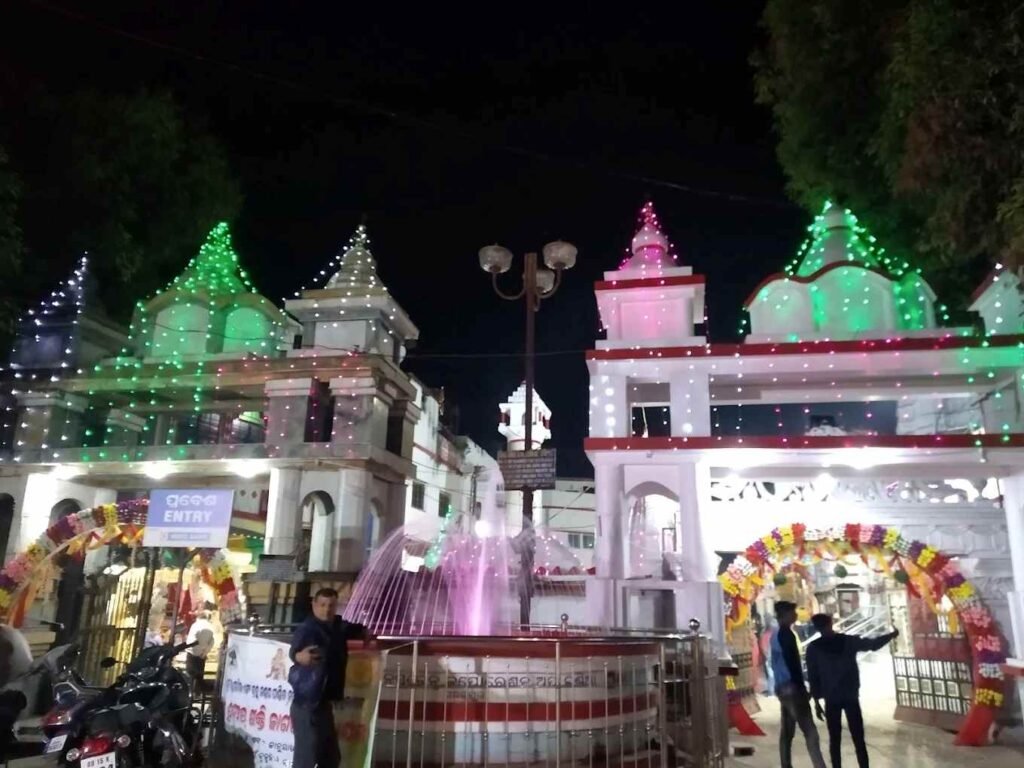
Major Festivals Celebrated at Maa Samaleswari Temple
Festivals bring extraordinary energy and devotion to this temple. Throughout the year, thousands of devotees participate in special celebrations.
Nuakhai Festival
Nuakhai is the most important festival associated with this temple. Celebrated after the harvest season, this festival marks the offering of newly harvested crops to the goddess.
Moreover, Nuakhai represents gratitude, prosperity, and community unity. Families gather to seek blessings for happiness and success in the coming year.
Navratri
Navratri transforms the temple into a vibrant center of devotion. During these nine sacred days, priests conduct special rituals while devotees participate in prayers and cultural programs.
Furthermore, beautifully decorated surroundings enhance the spiritual atmosphere. Consequently, Navratri attracts visitors from various parts of Odisha and neighboring states.
Durga Puja and Mahalaya
These festivals hold special significance because devotees worship Maa Samaleswari as a form of Goddess Durga. Therefore, large crowds visit the temple to seek divine blessings during this period.
Spiritual Importance of Maa Samaleswari Temple
For many people, this temple is more than a place of worship. Instead, it serves as a source of hope, strength, and inspiration.
Local residents often visit the temple before important life events such as marriages, educational pursuits, business ventures, and housewarming ceremonies. Likewise, farmers seek blessings for successful harvests and agricultural prosperity.
Because of these long-standing traditions, the temple remains deeply woven into the social and cultural fabric of Western Odisha.
Best Time to Visit Maa Samaleswari Temple
Visitors can explore this temple throughout the year. However, certain seasons provide a more comfortable and enjoyable experience.
October to February
Pleasant weather conditions make this period ideal for temple visits and sightseeing activities.
During Nuakhai
Travelers can experience the cultural richness of Western Odisha during the region’s most celebrated harvest festival.
During Navratri
The temple comes alive with decorations, rituals, and devotional programs, creating a truly memorable atmosphere.
How to Reach Maa Samaleswari Temple
By Air
Veer Surendra Sai Airport in Jharsuguda is the nearest airport. It offers convenient connectivity to major Indian cities.
By Train
Sambalpur Railway Station connects the city with Bhubaneswar, Kolkata, Raipur, Hyderabad, Delhi, and several other destinations.
By Road
Regular bus services and private taxis provide easy access to Sambalpur from different parts of Odisha and neighboring states.
Places to Visit Near Maa Samaleswari Temple
A visit to this temple can be combined with several nearby attractions.
Hirakud Dam
Known as one of the world’s longest earthen dams, Hirakud Dam offers breathtaking views and recreational opportunities.
Huma Temple
This famous leaning temple dedicated to Lord Shiva attracts devotees and architecture enthusiasts alike.
Debrigarh Wildlife Sanctuary
Nature lovers can explore rich biodiversity and scenic landscapes within this protected area.
Ghanteswari Temple
Located near the Mahanadi River, this temple provides a peaceful spiritual experience.
Travel Tips for Visitors
- Wear modest and respectful clothing.
- Visit early in the morning to avoid crowds.
- Follow temple customs and guidelines.
- Carry water during the summer season.
- Plan additional time to explore nearby attractions.
Conclusion
Maa Samaleswari Temple stands as a powerful symbol of faith, heritage, and devotion in Odisha. Its spiritual significance, cultural importance, and historical legacy continue to inspire countless devotees every year.
Moreover, the temple offers visitors an opportunity to connect with the traditions of Western Odisha while experiencing a peaceful and sacred atmosphere. Whether you seek blessings, cultural insights, or a meaningful travel experience, this temple deserves a place on your Odisha travel itinerary.
Frequently Asked Questions (FAQs)
Where is Maa Samaleswari Temple located?
This temple is located in Sambalpur, Odisha, on the banks of the Mahanadi River.
Why is Samaleswari Temple famous?
The temple is famous for being the spiritual center of Western Odisha and the abode of Goddess Samaleswari.
What is the best time to visit Samaleswari Temple?
October to February and major festivals like Navratri and Nuakhai are ideal times to visit.
What is the significance of Nuakhai?
Nuakhai is a harvest festival during which devotees offer newly harvested crops to Maa Samaleswari.

Leave A Comment