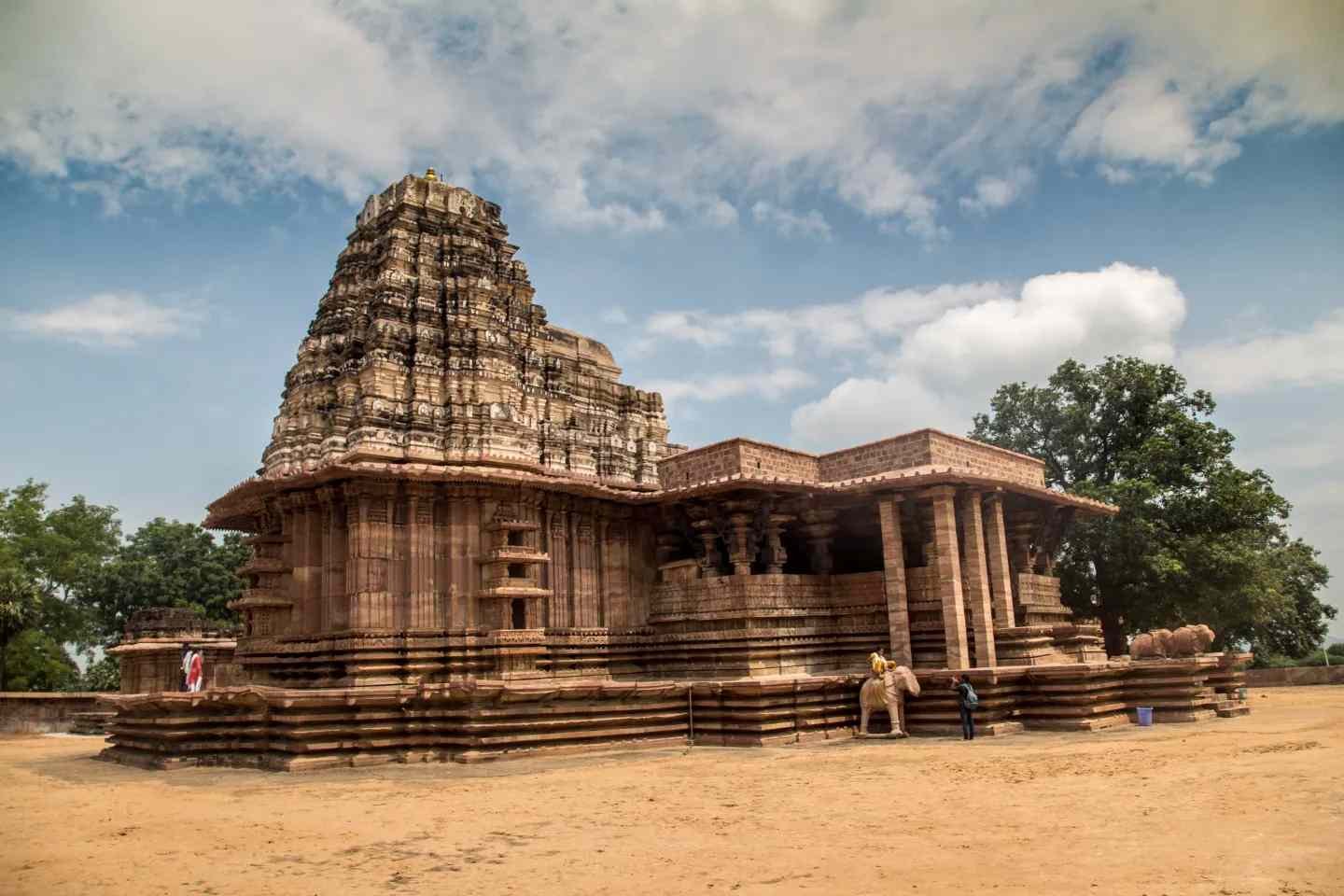
Nestled amidst the serene landscapes of Telangana, Ramappa Temple stands as one of India’s most remarkable architectural wonders. Located near Palampet village in Mulugu district, about 70 kilometers from Warangal, this magnificent temple attracts devotees, history enthusiasts, and architecture lovers from across the world.
Recognized as a UNESCO World Heritage Site in 2021, Ramappa Temple is celebrated for its intricate sculptures, floating bricks, and exceptional craftsmanship that reflects the glory of the Kakatiya dynasty. Whether you are a spiritual traveler or a heritage explorer, a visit to Ramappa Temple offers an unforgettable journey into India’s rich cultural past.
History of Ramappa Temple
Ramappa Temple, officially known as the Rudreshwara Temple, was constructed in 1213 CE during the reign of Kakatiya ruler Ganapati Deva. The temple was commissioned by Recharla Rudra, a military commander and loyal general of the Kakatiya Empire.
Unlike most Indian temples that are named after the presiding deity, this temple is uniquely named after its chief sculptor, Ramappa. This distinction highlights the extraordinary contribution of artisans during the Kakatiya period.
For over 800 years, the temple has withstood natural calamities, invasions, and the passage of time while preserving its artistic grandeur. Today, it serves as a proud symbol of Telangana’s cultural heritage.
Why Ramappa Temple Became a UNESCO World Heritage Site
In July 2021, UNESCO included Ramappa Temple in its prestigious World Heritage List under the name “Kakatiya Rudreshwara (Ramappa) Temple.”
The temple earned this recognition because of:
- Exceptional Kakatiya architectural techniques
- Advanced engineering methods
- Unique floating bricks used in construction
- Intricate sandstone carvings
- Outstanding preservation of medieval Indian art
- Cultural and historical significance
The UNESCO recognition brought global attention to this architectural masterpiece and significantly boosted tourism in Telangana.
Architectural Marvel of Ramappa Temple
One of the most fascinating aspects of Ramappa Temple is its remarkable architecture. Built in the classic Kakatiya style, the temple showcases an extraordinary blend of engineering excellence and artistic brilliance.
Star-Shaped Platform
The temple stands on a high star-shaped platform that enhances both its visual appeal and structural stability. This design was innovative for its time and remains impressive even by modern standards.
Floating Bricks
Perhaps the most famous feature of Ramappa Temple is its lightweight floating bricks. These specially crafted bricks are porous and significantly lighter than ordinary bricks. They were used in the temple’s roof construction to reduce structural load.
Visitors are often amazed to learn that some of these ancient bricks can float in water, showcasing the advanced engineering knowledge of Kakatiya builders.
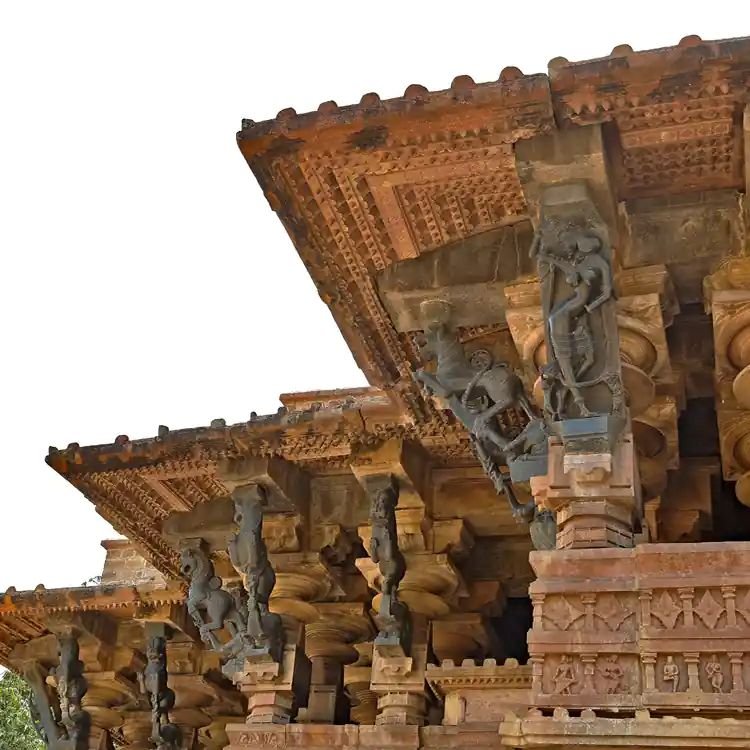
Exquisite Sculptures
The temple walls feature stunning carvings depicting:
- Hindu deities
- Mythological stories
- Celestial dancers
- Musicians
- Warriors
- Animals and floral motifs
Every sculpture reflects exceptional attention to detail, making the temple a living museum of medieval Indian art.
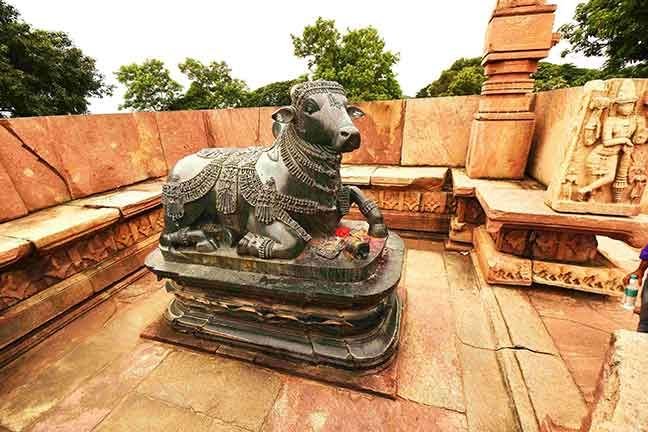
Nandi Mandapa
At the entrance stands a beautifully sculpted Nandi, the sacred bull and vehicle of Lord Shiva. The polished stone sculpture continues to captivate visitors with its lifelike appearance.
The Presiding Deity
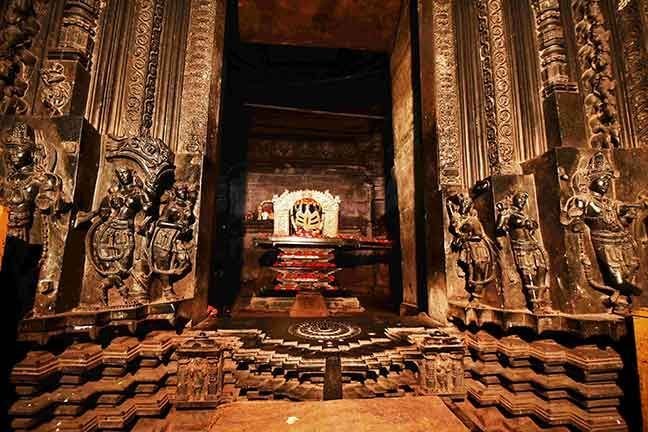
Ramappa Temple is dedicated to Lord Shiva, who is worshipped here as Rudreshwara. The sanctum houses a Shiva Lingam that continues to attract devotees throughout the year.
Religious ceremonies and special prayers are conducted regularly, especially during major Hindu festivals such as Maha Shivaratri.
Best Time to Visit Ramappa Temple
The ideal time to visit Ramappa Temple is between October and February when the weather remains pleasant and suitable for sightseeing.
Seasonal Guide
Winter (October to February)
- Pleasant temperatures
- Comfortable for exploration
- Best season for photography
Summer (March to June)
- Hot weather conditions
- Afternoon visits may be uncomfortable
Monsoon (July to September)
- Lush greenery around the temple
- Scenic surroundings
- Occasional rainfall
Ramappa Temple Timings
Visitors can generally explore the temple during daylight hours.
Temple Timings
- Opening Time: 6:00 AM
- Closing Time: 6:00 PM
It is advisable to verify local timings before planning your trip, especially during festivals and special occasions.
How to Reach Ramappa Temple
By Air
The nearest major airport is Hyderabad’s Rajiv Gandhi International Airport, located approximately 210 kilometers away.
By Train
Warangal Railway Station is the nearest major railhead and is well connected to major cities across India.
By Road
Regular buses and taxis are available from Warangal, Hanamkonda, Hyderabad, and nearby towns. The roads leading to Ramappa Temple are well-maintained and offer a pleasant journey through rural Telangana.
Nearby Attractions
A visit to Ramappa Temple can be combined with several nearby attractions:
Ramappa Lake
Located adjacent to the temple, this picturesque lake was built during the Kakatiya era and provides beautiful views.
Laknavaram Lake
Famous for its suspension bridge and scenic surroundings, Laknavaram Lake is a popular tourist destination.
Warangal Fort
This historic fort showcases the architectural brilliance of the Kakatiya rulers and is a must-visit for history enthusiasts.
Thousand Pillar Temple
Another iconic Kakatiya-era monument located in Hanamkonda.
Travel Tips for Visitors
To make the most of your visit:
- Arrive early for a peaceful experience.
- Wear comfortable footwear.
- Carry drinking water during summer months.
- Respect temple customs and traditions.
- Avoid touching delicate sculptures.
- Bring a camera to capture the architectural beauty.
Cultural Importance of Ramappa Temple
Ramappa Temple is more than just a place of worship. It represents the artistic vision, engineering expertise, and cultural sophistication of the Kakatiya dynasty.
The temple serves as a valuable link to India’s medieval past and continues to inspire architects, historians, and travelers worldwide. Its UNESCO recognition has further reinforced its status as one of Telangana’s most treasured landmarks.
Conclusion
Ramappa Temple is undoubtedly one of India’s finest examples of ancient temple architecture. From its floating bricks and intricate sculptures to its fascinating history and UNESCO World Heritage status, every aspect of this monument reflects centuries of artistic excellence and engineering ingenuity.
Whether you seek spiritual fulfillment, historical insights, or architectural inspiration, Ramappa Temple in Warangal offers an enriching experience that deserves a place on every traveler’s bucket list.
Frequently Asked Questions (FAQs)
1. Why is Ramappa Temple famous?
Ramappa Temple is famous for its UNESCO World Heritage status, intricate Kakatiya architecture, floating bricks, and detailed stone carvings.
2. Who built Ramappa Temple?
The temple was built by Recharla Rudra, a commander under Kakatiya ruler Ganapati Deva, in 1213 CE.
3. Where is Ramappa Temple located?
Ramappa Temple is located in Palampet village, Mulugu district, Telangana, approximately 70 kilometers from Warangal.
4. Why is it called Ramappa Temple?
The temple is named after its chief sculptor, Ramappa, which is rare in Indian temple architecture.
5. What are floating bricks in Ramappa Temple?
The temple roof was constructed using lightweight porous bricks that can float on water, reducing the structural load on the building.
6. What is the best time to visit Ramappa Temple?
The best time to visit is between October and February when the weather is pleasant.
7. Are photography and videography allowed?
Photography is generally permitted in the temple premises, but visitors should follow local guidelines and restrictions.

Leave A Comment