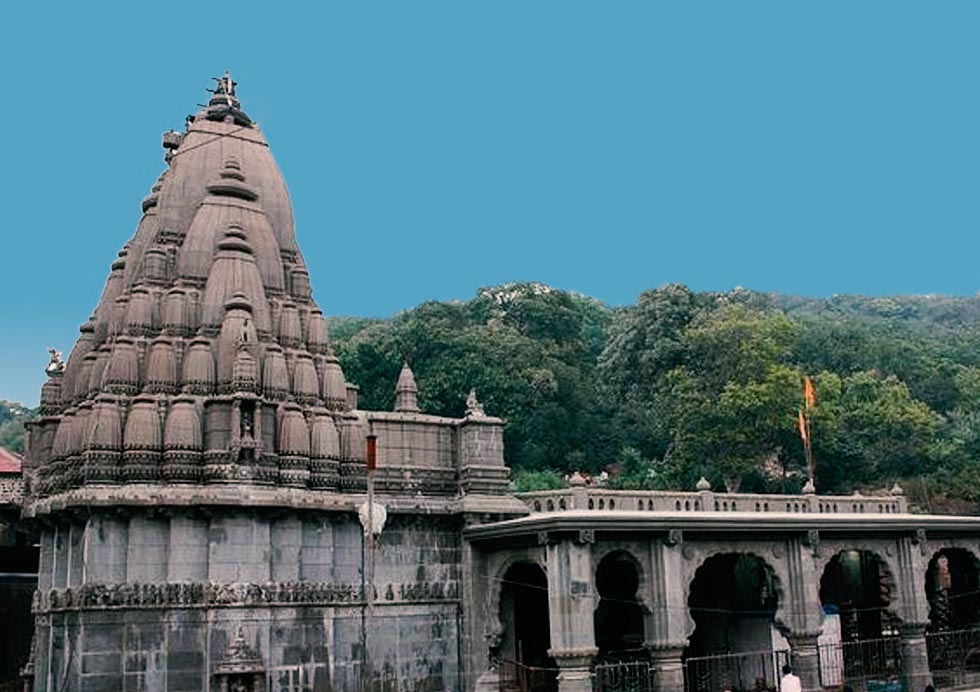
Bhimashankar Jyotirlinga Temple is one of the most spiritually significant shrines of Lord Shiva and holds a revered position among the twelve Jyotirlingas of India. Set deep within the Sahyadri mountain range of Maharashtra, this ancient temple is surrounded by dense forests, rolling hills, and pristine natural beauty, making it a unique destination where devotion meets nature.
Bhimashankar is not just a place of worship—it is a sacred landscape shaped by mythology, centuries of faith, and powerful spiritual vibrations.
Why Bhimashankar Jyotirlinga Is Spiritually Important
A Jyotirlinga represents the infinite form of Lord Shiva, where divine energy is believed to exist eternally. Bhimashankar is regarded as a powerful spiritual center where devotees seek liberation from negative karma, inner strength, and divine guidance.
Pilgrims believe that sincere prayers offered here help overcome life’s obstacles and bring clarity, courage, and peace of mind.

Bhimashankar Jyotirlinga, one of the twelve sacred Shiva shrines, set amidst the lush Sahyadri mountain range.
Legend Behind Bhimashankar
Ancient legends narrate that the demon Tripurasura gained immense strength through severe penance and began disrupting cosmic harmony. To protect sages and the universe, Lord Shiva appeared in the forests of Bhimashankar and defeated the demon after an intense battle.
It is believed that the river Bhima emerged from the divine energy released during this battle, giving the region lasting spiritual significance. This story symbolizes the victory of truth and righteousness over arrogance and destruction.
Historical Background
While the exact date of origin is unknown, historical evidence suggests that the temple structure took shape around the 13th century. Over time, various rulers and devotees contributed to its preservation and expansion. During the Maratha period, the temple complex received architectural enhancements, ensuring its continuity as an important Shaiva pilgrimage site.
Despite changes across centuries, the spiritual essence of Bhimashankar has remained untouched.
Temple Architecture
The Bhimashankar Temple is constructed primarily from black stone and reflects a traditional North Indian Nagara style blended with regional craftsmanship. The sanctum houses the sacred Jyotirlinga, which is worshipped through daily rituals and abhishekams.
A large Nandi statue sits facing the main shrine, symbolizing devotion and unwavering faith. The temple’s modest yet powerful design allows devotees to focus inward, enhancing the spiritual experience.

Bhimashankar Temple, one of the twelve Jyotirlinga shrines of Lord Shiva, set amidst the serene Sahyadri Hills.
Religious Practices and Worship
Daily worship at Bhimashankar follows ancient Shaiva traditions. Offerings such as water, milk, bilva leaves, and sacred chants form an integral part of the rituals. Mondays, the Shravan month, and Mahashivratri hold special significance, drawing large numbers of devotees.
Many pilgrims believe that performing abhishekam here brings emotional healing, stability, and divine blessings.
Natural Surroundings: Bhimashankar Wildlife Sanctuary
The temple lies within the Bhimashankar Wildlife Sanctuary, a protected forest area in the Western Ghats. The region is known for its rich biodiversity, cool climate, and tranquil atmosphere.
The sanctuary is home to rare wildlife, birds, and medicinal plants, creating an environment that naturally complements meditation and spiritual reflection. The peaceful surroundings make Bhimashankar ideal for those seeking solitude along with devotion.
Darshan Timings (Normal Days)
On regular days, the temple generally follows this schedule:
- Early morning opening around 5:00 AM
- Morning rituals and darshan until noon
- Evening aarti and darshan in the late afternoon
- Temple closes by night
Timings may vary during festivals or special religious occasions.
Bhimashankar Jyotirlinga is temporarily closed for public darshan.
Current Status
- The temple has been closed from January 2026 due to major renovation and development work within the temple complex.
- The purpose of the closure is to strengthen the structure, improve facilities, and enhance safety and crowd management for devotees.
Darshan & Rituals
- General public entry is not permitted during this period.
- Daily rituals and worship are expected to continue internally as per temple traditions, but without public darshan.
Expected Reopening
- The temple is expected to reopen around Mahashivratri 2026, depending on the completion of renovation work.
Important Advice
- If you are planning a visit, it is strongly recommended to confirm the status locally (temple office or district administration) before traveling, as timelines may change based on work progress.
Best Time to Visit
- October to February: Cool and pleasant climate, ideal for darshan
- Monsoon Season: Lush greenery and misty views, but travel requires caution
- Festival Periods: Spiritually vibrant but crowded
Early mornings offer a calm and deeply devotional atmosphere.
How to Reach Bhimashankar
- Nearest Airport: Pune
- Nearest Railway Station: Pune
- By Road: Well-connected roads from Pune and nearby towns
The journey through forested hills adds to the overall spiritual experience.
For More Details : Click Here
Frequently Asked Questions (FAQs)
1. What is Bhimashankar Jyotirlinga known for?
It is known as one of the twelve Jyotirlingas of Lord Shiva and for its powerful spiritual energy and natural surroundings.
2. Where is Bhimashankar located?
Bhimashankar is located in Maharashtra’s Sahyadri hills, within a protected wildlife sanctuary near Pune.
3. Is Bhimashankar suitable for elderly pilgrims?
Yes, but due to hilly terrain and steps, assistance and careful planning are recommended.
4. What is the best time for darshan?
Early morning hours are ideal for peaceful darshan with fewer crowds.
5. Is the temple open during monsoon?
Yes, but weather conditions can affect road access and trekking paths.
6. Will the temple be closed in 2026?
Yes, a temporary closure is planned for renovation and infrastructure upgrades.
7. Are accommodations available nearby?
Yes, basic lodges, guesthouses, and dharamshalas are available around the temple area.
Conclusion
Bhimashankar Jyotirlinga stands as a timeless symbol of devotion, strength, and divine protection. Surrounded by untouched forests and steeped in sacred legend, the temple offers a deeply transformative experience for devotees and travelers alike.
A visit to Bhimashankar is not merely a pilgrimage—it is a journey into the heart of faith, nature, and spiritual awakening.
Leave A Comment