
The Padmanabhaswamy Temple in Thiruvananthapuram is one of the most sacred and historically significant temples in India. Dedicated to Lord Vishnu in the form of Padmanabha, this ancient shrine attracts millions of devotees every year. In addition to its deep spiritual importance, the temple is widely recognized for its magnificent architecture and the legendary treasure vaults hidden beneath the temple complex.
Located in the capital city of Kerala, this temple stands as a remarkable symbol of India’s religious heritage. Many devotees believe that visiting this sacred shrine brings peace, prosperity, and divine blessings. Because of its historical significance and mysterious treasures, Padmanabhaswamy Temple has also gained global attention in recent years.
History of Padmanabhaswamy Temple
The history of the temple dates back several centuries. Ancient Hindu scriptures and historical records mention this sacred shrine as an important center of Vishnu worship. Over time, the temple grew in prominence and became one of the most revered temples in South India.
However, the temple gained royal importance during the rule of the Travancore kingdom. In the 18th century, the famous king Anizham Thirunal Marthanda Varma renovated and expanded the temple complex.
In 1750, the king performed a historic ritual known as Thrippadi Danam. During this ceremony, he dedicated his entire kingdom to Lord Padmanabha. From that moment onward, the rulers of Travancore governed the state as “Padmanabha Dasa,” meaning servants of Lord Vishnu.
Even today, members of the Travancore royal family continue to participate in temple traditions and administrative activities.
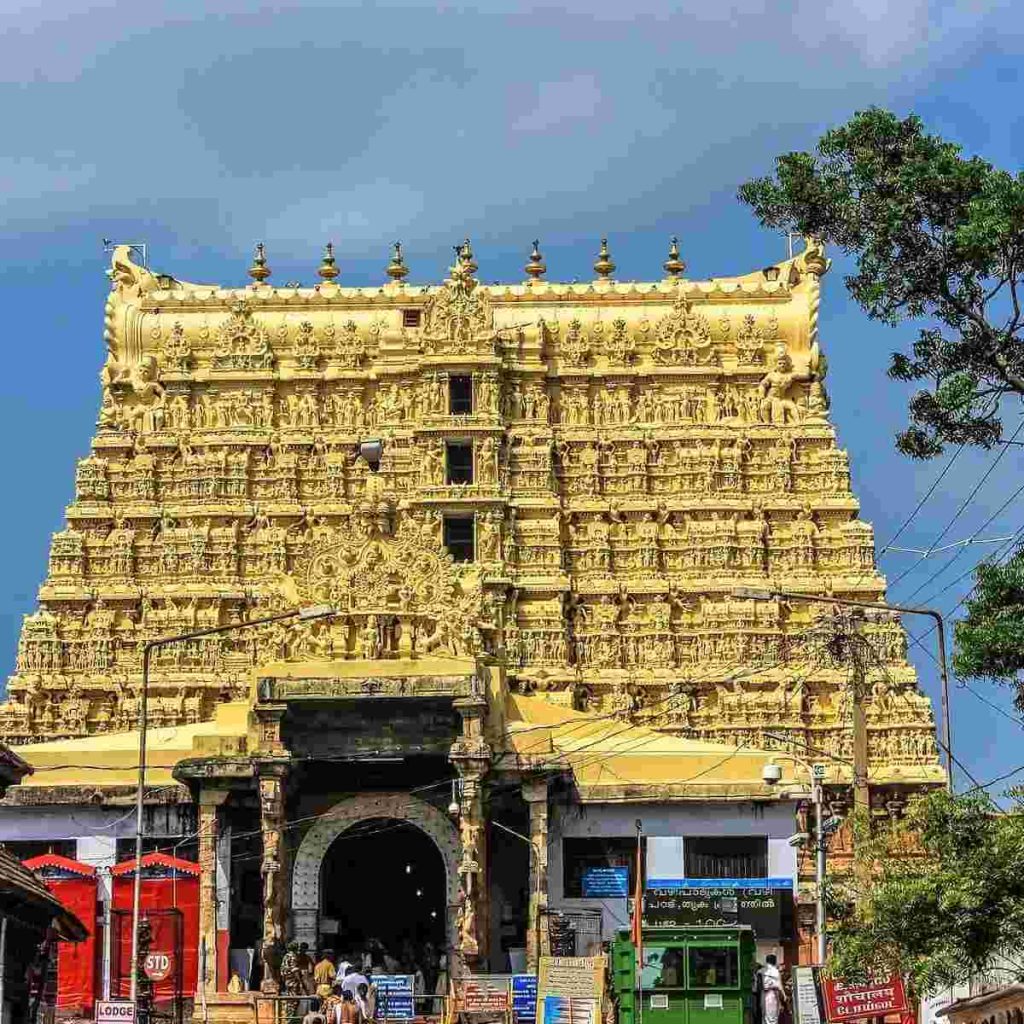
The magnificent gopuram of Padmanabhaswamy Temple in Kerala.
Mythological Significance
Padmanabhaswamy Temple holds great importance in Hindu mythology. According to traditional legends, the temple is closely associated with a devoted sage named Divakara Muni.
One day, Lord Vishnu appeared before the sage in the form of a small boy. The mysterious child later disappeared and entered an Illuppa tree nearby. When the tree fell, the Lord revealed his divine form stretching across a vast distance.
Seeing this magnificent vision, the sage prayed for the Lord to appear in a smaller form so devotees could worship him easily. As a result, the deity manifested as Lord Padmanabha reclining on the serpent Adishesha, which became the main idol worshipped in the temple today.
Architecture of the Temple
The temple architecture beautifully blends Kerala style with Dravidian architectural traditions. Visitors immediately notice the massive seven-tier gopuram at the entrance, which rises nearly 100 feet high. This impressive tower features detailed carvings of gods, celestial beings, and mythological figures.
Inside the temple complex, long granite corridors supported by beautifully sculpted pillars create a peaceful atmosphere. Oil lamps placed along these corridors add to the spiritual ambiance.
Another important feature of the temple is the sacred Padmatheertham temple tank, located near the entrance. Devotees often perform ritual purification here before entering the temple premises.
The sanctum sanctorum houses the large idol of Lord Padmanabha. Temple artisans created the idol using 12,008 sacred Salagrama stones, which were brought from the Gandaki River region of Nepal.
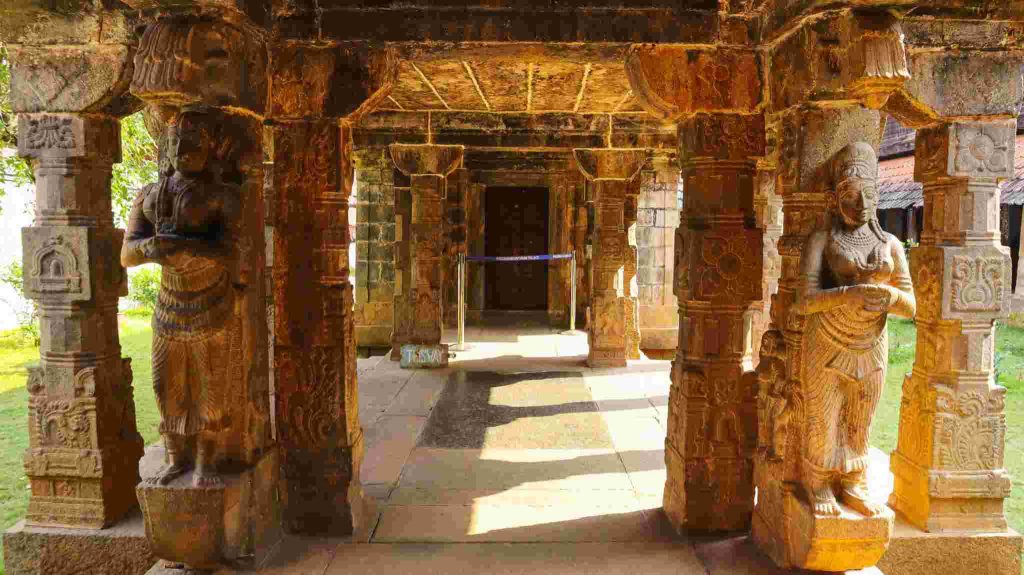
Beautifully carved stone pillars inside the historic Padmanabhaswamy Temple complex.
Idol of Lord Padmanabha
The idol of Lord Padmanabha is one of the most unique representations of Lord Vishnu in India. The deity appears in the Anantha Shayana posture, reclining on the thousand-hooded serpent Adishesha.
This divine idol measures nearly 18 feet in length, making it one of the largest Vishnu idols in the country. Devotees view the idol through three separate doors.
- The first door reveals the face and serpent hood of the Lord
- The second door shows the torso and the lotus emerging from the navel
- The third door displays the sacred feet of Lord Vishnu
This special arrangement symbolizes the cosmic form of the Lord and creates a unique darshan experience.
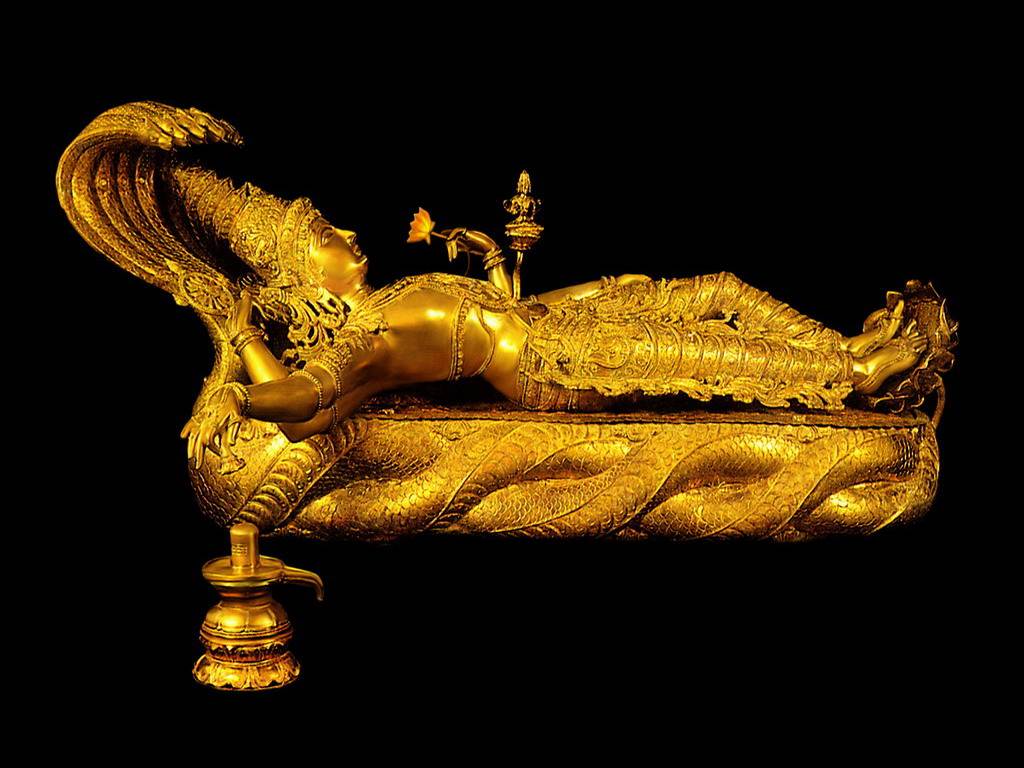
Lord Padmanabha in the Anantha Shayana posture at Padmanabhaswamy Temple, Thiruvananthapuram.
The Mystery of the Temple Treasure
Padmanabhaswamy Temple became internationally famous in 2011 when authorities opened several underground vaults beneath the temple. These hidden chambers contained extraordinary treasures that had remained untouched for centuries.
Inside the vaults, officials discovered:
- Gold ornaments and ceremonial jewelry
- Precious diamonds and gemstones
- Ancient gold coins from different civilizations
- Golden idols and sacred artifacts
Experts estimated the total value of these treasures to be more than $20 billion, making Padmanabhaswamy Temple one of the richest religious institutions in the world.
However, one chamber known as Vault B remains unopened. Temple traditions suggest that this vault holds strong spiritual protection, and many devotees believe it should remain sealed.
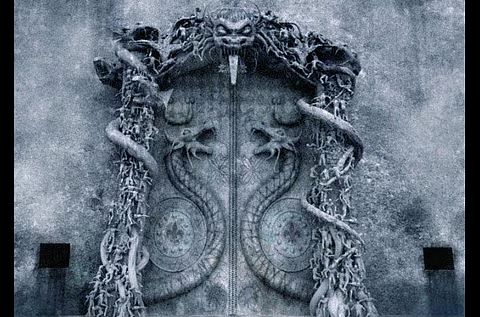
The mysterious sealed Vault B of Padmanabhaswamy Temple.
Festivals and Rituals
Padmanabhaswamy Temple conducts several daily rituals and grand festivals every year. These rituals follow ancient traditions and attract thousands of devotees.
Important daily rituals include:
- Usha Pooja – early morning worship
- Ucha Pooja – afternoon offering
- Deeparadhana – evening lamp ceremony
- Athazha Pooja – night worship
Two major festivals celebrated in the temple are:
Painkuni Festival (March–April) – During this festival, large ceremonial pillars are erected in the temple courtyard and grand processions take place.
Alpasi Festival (October–November) – This ten-day festival features traditional rituals, temple processions, and special worship ceremonies.
In addition, the famous Laksha Deepam festival, held once every six years, lights the temple with one lakh oil lamps, creating a spectacular spiritual sight.
Padmanabhaswamy Temple Darshan Timings
Devotees can visit the temple during the following darshan hours:
Morning Timings
3:30 AM – 4:45 AM
6:30 AM – 7:00 AM
8:30 AM – 10:00 AM
10:30 AM – 11:10 AM
Evening Timings
5:00 PM – 6:15 PM
6:45 PM – 7:20 PM
Early morning darshan offers the most peaceful spiritual experience.
Dress Code for Devotees
The temple strictly follows a traditional dress code.
For Men
- Dhoti or Mundu
- Shirts are not allowed inside the temple
For Women
- Saree
- Set mundu
- Long skirts with blouse
Modern clothing such as jeans, pants, and western outfits are not permitted inside the temple premises.
How to Reach Padmanabhaswamy Temple
Padmanabhaswamy Temple is located in the heart of Thiruvananthapuram and is easily accessible.
By Air
Trivandrum International Airport is about 6 km from the temple.
By Train
Thiruvananthapuram Central Railway Station is located just 1 km away.
By Road
Buses, taxis, and auto-rickshaws connect the temple with all major parts of the city.
FAQs
1. Where is Padmanabhaswamy Temple located?
The temple is located in Thiruvananthapuram, the capital city of Kerala.
2. Why is Padmanabhaswamy Temple famous?
The temple is famous for its reclining idol of Lord Vishnu, ancient architecture, and hidden treasure vaults.
3. Who built Padmanabhaswamy Temple?
The temple was renovated and expanded by King Marthanda Varma of the Travancore kingdom.
4. Are non-Hindus allowed inside the temple?
No. Only Hindus are allowed to enter the temple premises.
5. What is the best time to visit the temple?
The best time to visit is between October and March, when the weather is pleasant.
Leave A Comment