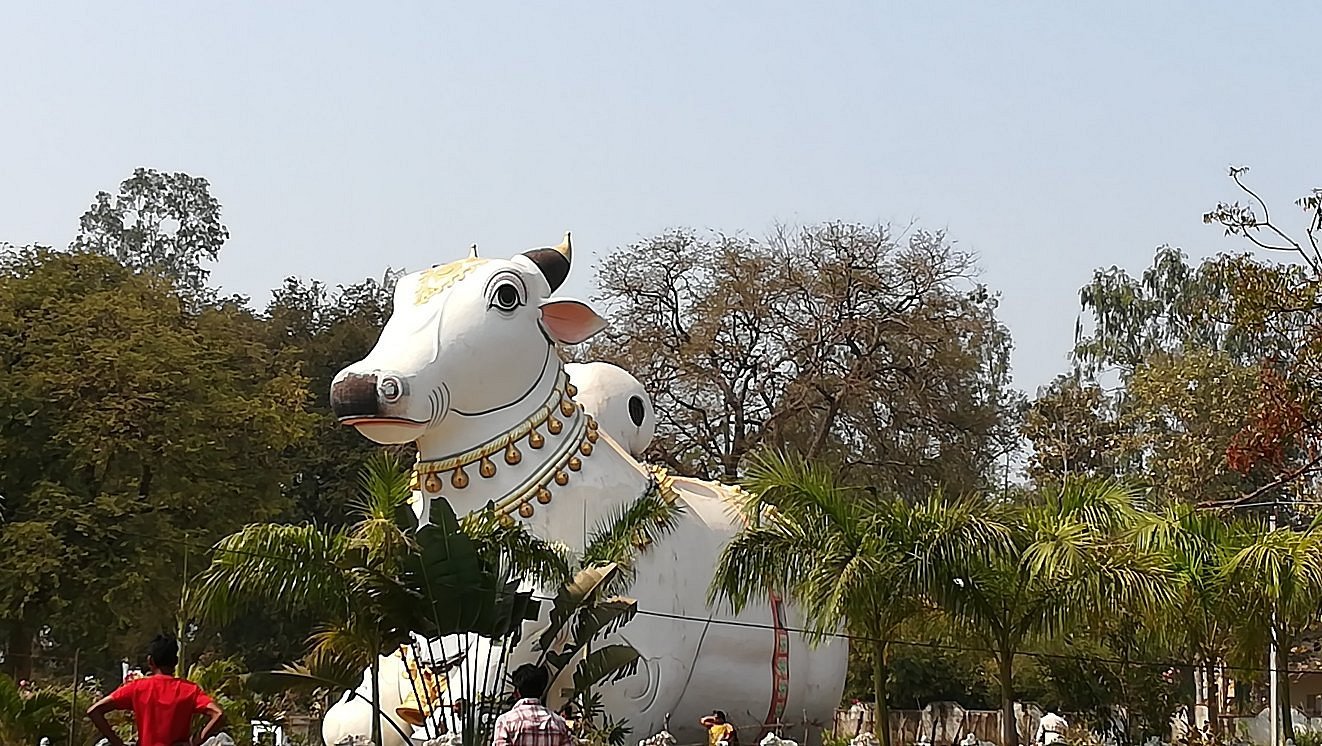
What Makes Mahanandi Temple Unique?
Set amidst the breathtaking greenery of the Nallamala forest range, Mahanandi Temple, located near Nandyal in Andhra Pradesh, is one of the oldest and most sacred shrines dedicated to Lord Shiva. The temple is renowned for its crystal-clear natural spring, which flows continuously throughout the year—something rarely seen in India’s temple architecture.
The combination of flowing waters, ancient stone pathways, and the soothing surroundings makes Mahanandi a spiritual retreat where nature and divinity exist in perfect harmony.
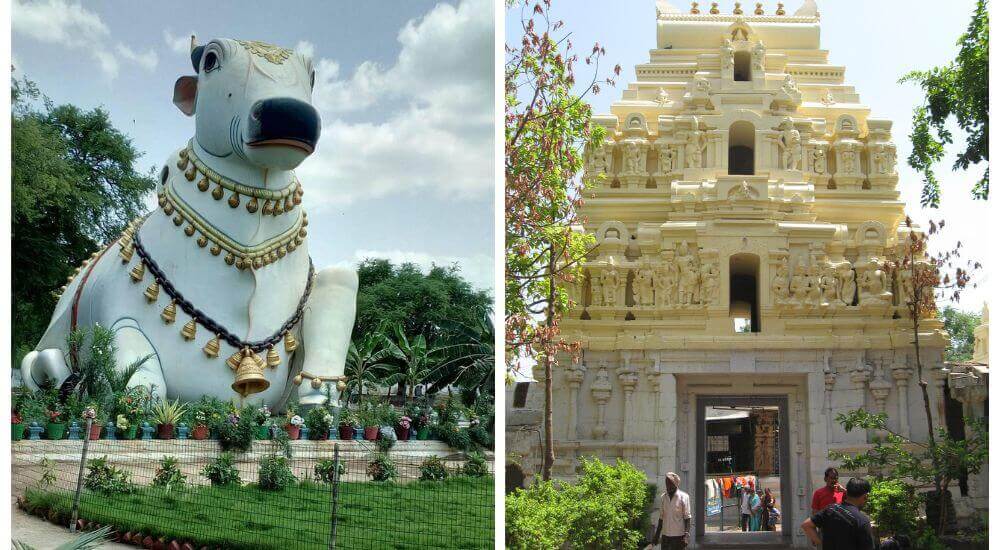
History & Mythological Significance
1. Ancient Origins
The roots of the temple date back many centuries. Ancient sages and villagers are believed to have discovered the sacred water spring while meditating in the region. Over time, the site gained immense spiritual importance, and a temple dedicated to Lord Shiva—worshipped here as Mahanandeeswara—was established.
2. Sacred Water as a Divine Gift
According to local belief, the spring never dries, even during extreme summers, symbolizing Shiva’s eternal blessings. The constant flow of pure water is considered a divine miracle that adds to the temple’s sacred aura.
3. Growth Over the Ages
Kings and devotees from various dynasties contributed to the development of the temple. The carvings, pillars, and stone structures indicate a blend of medieval South Indian architectural styles molded to fit the natural landscape.
Spiritual Experiences for Devotees
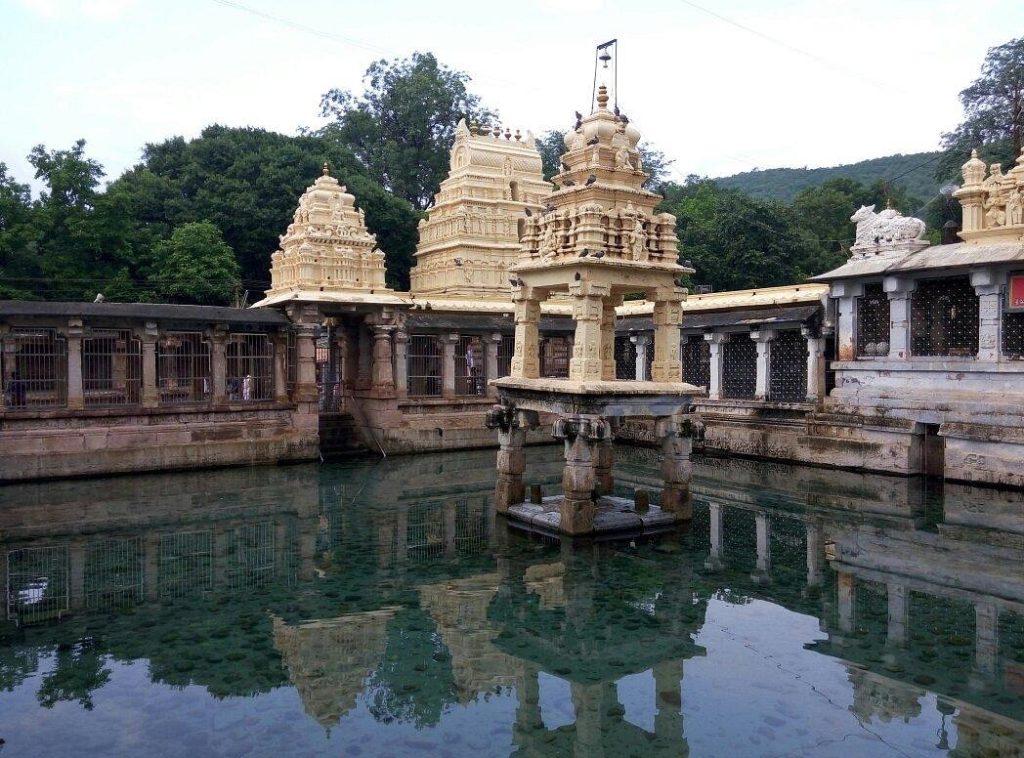
1.The Sacred Spring (Jala Teertham)
The highlight of Mahanandi Temple is its holy spring. The water is cool, fresh, and clear, and devotees believe that:
- Bathing in the spring removes negative energy
- The water has natural healing qualities
- It purifies the mind and body
Many pilgrims take water home as tirtham for blessings.
2. Serene and Divine Ambience
With hills, forests, and flowing water surrounding the temple, the place creates a calm environment ideal for meditation and introspection. Visitors often feel a sense of peace and spiritual renewal during their visit.
3. A Popular Vow and Family Temple
Families visit Mahanandi to seek blessings for health, prosperity, marriage, and success. Many return to offer gratitude after their prayers are fulfilled.
Temple Architecture & Layout
Mahanandi Temple stands out for its beautiful blend of nature and ancient craftsmanship:
- The sanctum is built using solid stone, giving it an ageless charm
- Corridors and mantapas echo traditional South Indian temple design
- Natural springs surround the temple and even enter specific temple ponds
- The temple includes ponds (kalyani/teerthams) that are accessible for devotees
The way the spring water flows naturally into the temple structure makes Mahanandi one of the most unique Shiva temples in India.
Best Time to Visit & Helpful Darshan Tips
Best Seasons
- October to March offers pleasant weather, lush greenery, and ideal conditions for both darshan and bathing in the holy spring.
- Summers can be hot, but early mornings still provide a comfortable experience.
Darshan Tips
- Visit early morning or around sunset to avoid crowds and enjoy peaceful surroundings.
- Bring towels and a change of clothes if you plan to bathe.
- Follow temple rules and maintain cleanliness, especially near water sources.
Wear comfortable, respectful attire suitable for temple visits and bathing.
How to Reach Mahanandi Temple
By Road
Mahanandi is easy to reach from Nandyal, Kurnool, and nearby towns. The drive through the Nallamala hills offers beautiful scenic views.
By Rail
The nearest major railway stations are Nandyal and Kurnool, from where taxis, autos, and buses are available.
Local Transport
Auto-rickshaws, shared jeeps, and local buses connect the temple with nearby villages and the main town area.
Nearby Attractions & Temples to Visit
A trip to Mahanandi can be combined with several spiritual and nature-based attractions:
1. Ahobilam Narasimha Swamy Temples
Located in the Nallamala hills, Ahobilam is famous for its Nava Narasimha shrines and scenic trekking routes.
2. Belum Caves
India’s second-largest cave system, perfect for nature lovers and adventure enthusiasts.
3. Rollapadu Wildlife Sanctuary
A haven for birdwatchers and wildlife enthusiasts, located within driving distance.
4. Nearby Villages & Streams
The surrounding rural landscape offers peaceful spots for photography, relaxation, and exploring the natural beauty of the region.
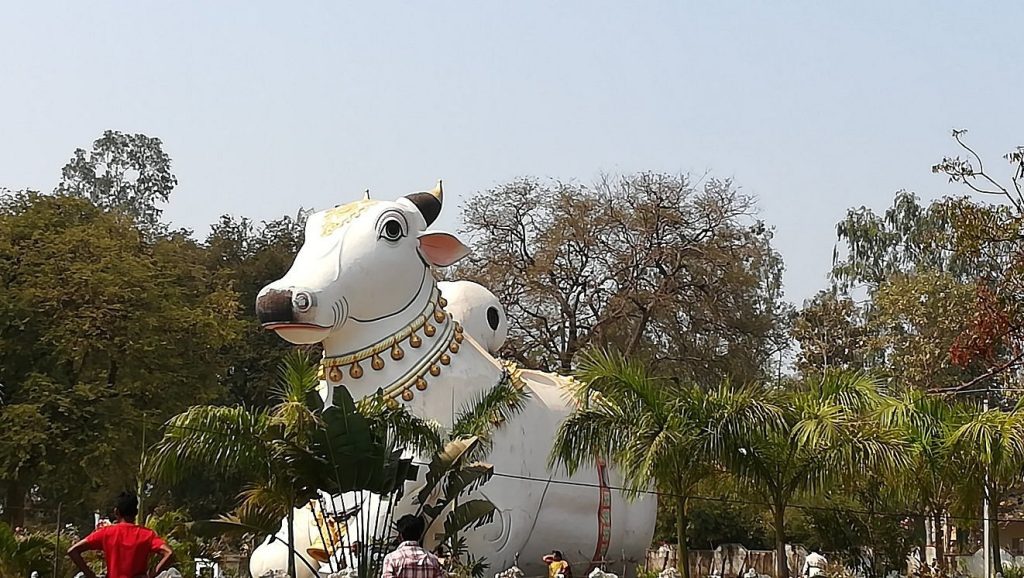
Why You Should Visit Mahanandi Temple
- A rare combination of natural springs and divine worship
- An ideal destination for spiritual healing and inner peace
- A great place for family pilgrimages and fulfilling vows
- One of the best locations for a serene weekend getaway
- Perfect for nature lovers, history seekers, and devotees alike
Whether you’re visiting for spiritual reasons or simply to escape into nature, Mahanandi promises a refreshing and meaningful experience.
Mahanandi is famous for the following key reasons:
Ancient Mahanandiswara (Shiva) Temple
Mahanandi is best known for the Mahanandiswara Swamy Temple, one of the Navanandi (Nine Nandi) temples associated with Lord Shiva. It is considered one of the oldest Shiva temples in Andhra Pradesh.
Perennial Holy Water (Pushkarini)
The temple has a sacred water tank where crystal-clear water flows throughout the year, maintaining a constant temperature. Devotees believe this water has healing and medicinal properties.
Navanandi Kshetram
Mahanandi is the central temple among the nine Nandi shrines spread across the Nallamala region, making it a spiritually important Shaivite pilgrimage.
Scenic Nallamala Hills Location
Nestled in the Nallamala Hills, Mahanandi offers a peaceful spiritual atmosphere surrounded by lush greenery and natural beauty.
Historical & Architectural Significance
The temple features Chalukyan-era architecture, intricate stone carvings, and inscriptions that highlight its rich historical legacy.
Spiritual Importance
It is believed that prayers offered here remove obstacles, cure illnesses, and bring mental peace, attracting devotees from across South India.
If you’d like, I can also provide darshan timings, best time to visit, temple history, or nearby places around Mahanandi
Frequently Asked Questions (FAQs) – Mahanandi Temple
1. Where exactly is Mahanandi Temple located?
Mahanandi Temple is situated at the foothills of the Nallamala forest range near Nandyal in Andhra Pradesh. Its peaceful setting and scenic surroundings make it a popular destination for pilgrims and nature lovers.
2. Why is Mahanandi Temple considered special?
The temple is famous for its ever-flowing natural spring, which supplies crystal-clear water to the temple’s ponds. This sacred water is believed to carry healing qualities and has remained a major attraction for centuries.
3. Who is the main deity worshipped at Mahanandi Temple?
Lord Shiva is the presiding deity, worshipped here as Sri Mahanandeeswara or Arakeshvara Swamy. Devotees visit the temple to seek blessings for health, prosperity, and spiritual wellbeing.
4. Are devotees allowed to bathe in the temple’s holy water?
Yes. There are designated bathing areas fed directly by the natural spring. Pilgrims are welcome to take a dip, as the water is considered sacred and spiritually purifying.
5. What are the temple timings?
The temple typically opens in the early morning and remains accessible until late evening. For a peaceful darshan and a refreshing dip, mornings and weekdays are generally preferred.
6. When is the best time to visit Mahanandi?
The most pleasant months for a visit are October to March, when the climate is cooler and the natural surroundings look vibrant. These months offer ideal conditions for both darshan and sightseeing.
7. Are there stay options available near the temple?
Yes. Pilgrims can find a variety of accommodation options such as lodges, guesthouses, and hotels in and around Mahanandi and Nandyal. Temple-administered guest rooms may also be available at specific times.

Leave A Comment