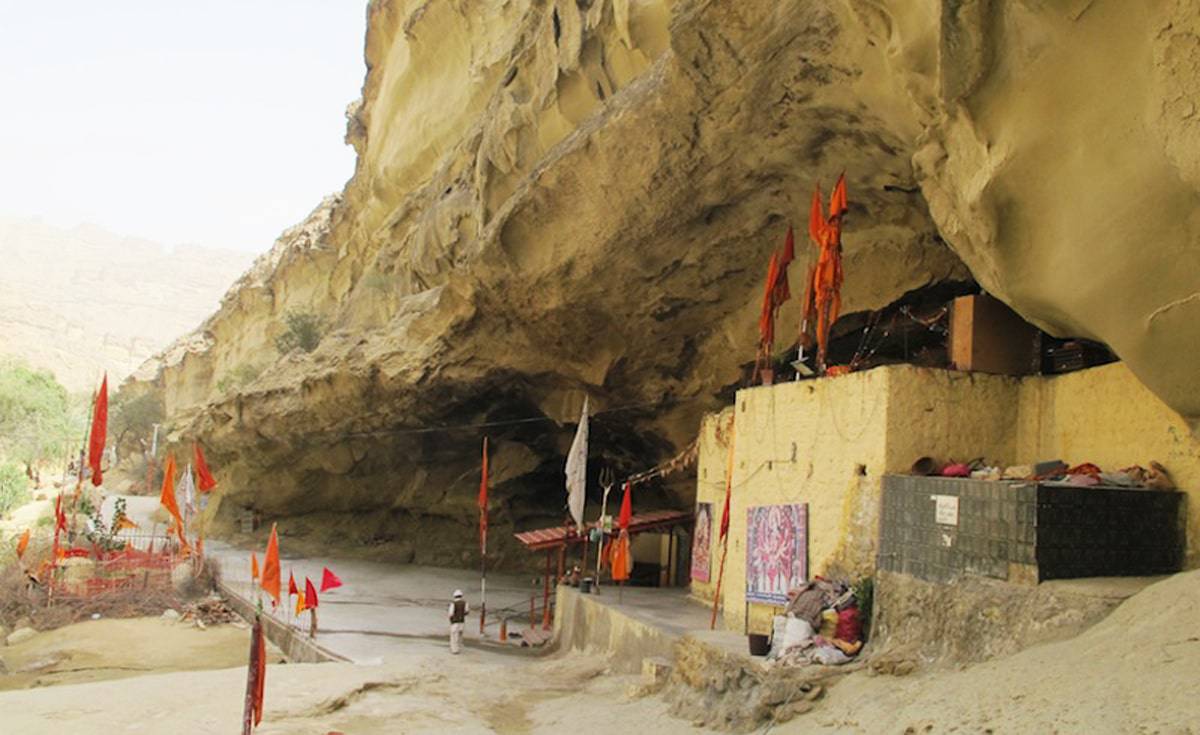
Hinglaj Mata Temple is one of the most ancient and spiritually powerful Hindu pilgrimage sites in the world. Nestled in the rugged Makran region of Balochistan, Pakistan, this sacred shrine stands as a timeless symbol of faith, endurance, and inter-religious harmony. Despite its remote desert location, Hinglaj Mata Temple continues to draw thousands of devotees every year, proving that true devotion knows no borders.
Also known as Hinglaj Devi Mandir or Nani Mandir, the temple is revered as a Shakti Peeth, making it one of the most important centers of Goddess worship in the Indian subcontinent.
Mythological Significance of Hinglaj Mata
According to Hindu scriptures, Hinglaj Mata Temple is associated with the legend of Goddess Sati. After Sati sacrificed herself, Lord Shiva wandered across the universe carrying her body in deep grief. To restore cosmic balance, Lord Vishnu used the Sudarshan Chakra to divide Sati’s body, and the places where her body parts fell became known as Shakti Peethas.
It is believed that the head (Brahmarandhra) of Goddess Sati fell at Hinglaj. Because of this, devotees regard Hinglaj Mata as a supremely powerful form of Adi Shakti, capable of removing suffering, fulfilling wishes, and granting spiritual liberation.
Location and Natural Setting
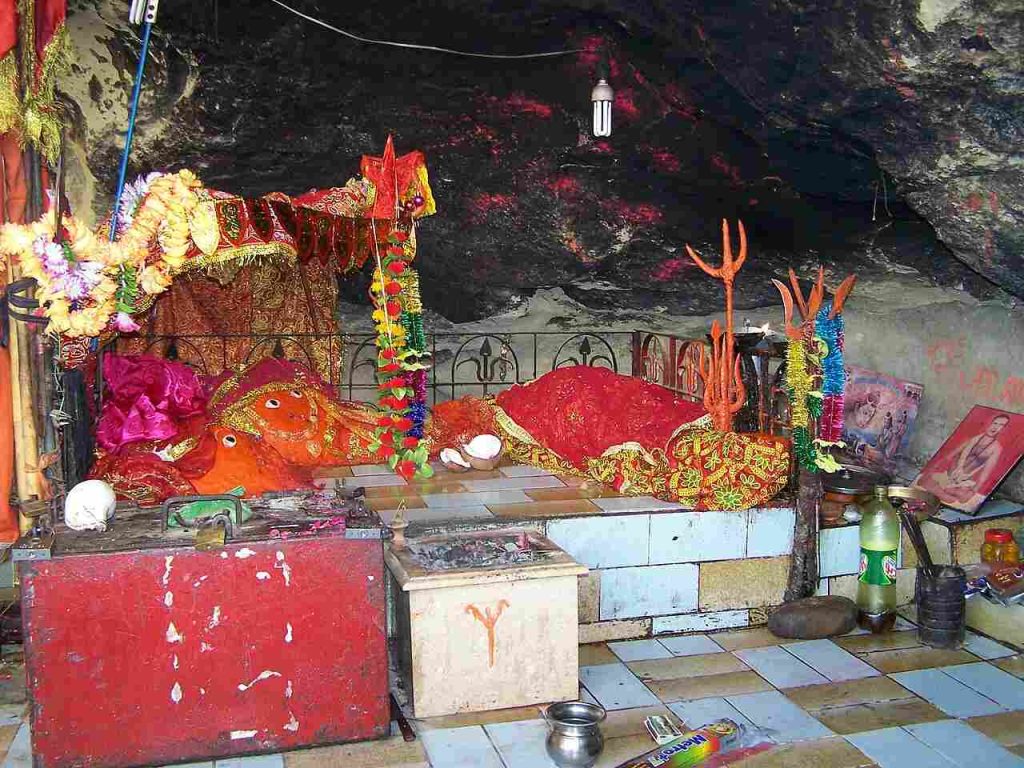
Hinglaj Mata Temple lies within Hingol National Park, near the Hingol River. Unlike most Hindu temples, it does not feature grand towers or sculpted idols. Instead, the shrine exists inside a natural cave, emphasizing the belief that the goddess is Swayambhu (self-manifested).
The surrounding landscape consists of rocky hills, arid plains, and dramatic desert formations. This harsh terrain transforms the pilgrimage into a spiritual test, where faith, patience, and surrender become part of the worship itself.
Historical Importance and Interfaith Harmony
One of the most remarkable aspects of Hinglaj Mata Temple is its centuries-old protection by local Muslim communities. The Baloch tribes deeply respect the shrine and lovingly call the goddess “Nani”, meaning grandmother.
Over generations, they have safeguarded the temple and assisted Hindu pilgrims during the annual yatra. This shared reverence has turned Hinglaj Mata Temple into a living example of peaceful coexistence and religious harmony, making it unique among Shakti Peethas.
Hinglaj Mata Yatra: A Sacred Journey of Faith
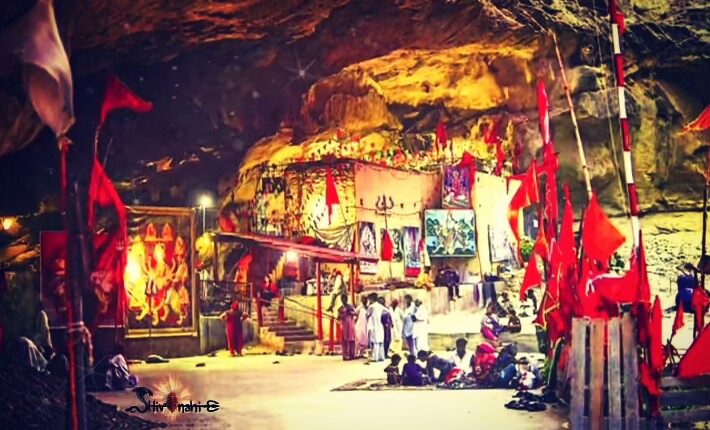
The Hinglaj Mata Yatra, held annually—usually between March and April—is one of the largest Hindu pilgrimages in Pakistan. Devotees travel from Sindh and other regions in organized groups to reach the temple.
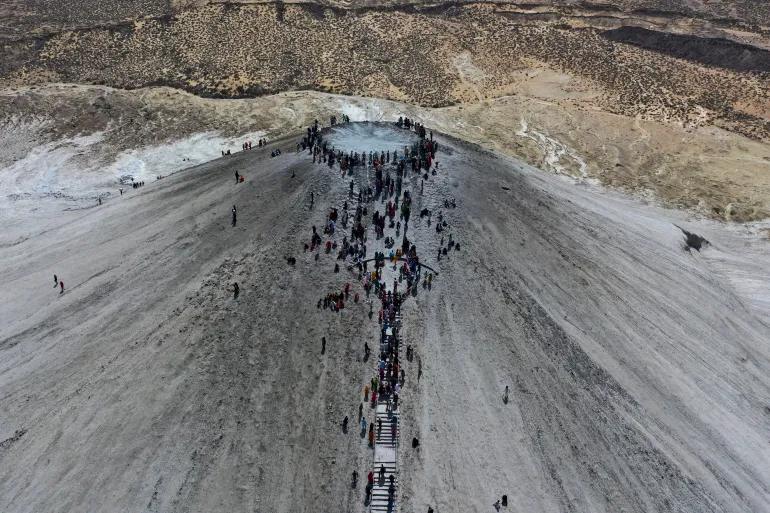
During the yatra:
- Pilgrims bathe in the Hingol River for purification
- Ritual prayers and offerings are performed inside the cave
- Devotees visit Chandragup Mud Volcano, where vows and confessions are made
- Bhajans, aartis, and collective prayers fill the desert atmosphere
For many devotees, completing this pilgrimage is a once-in-a-lifetime spiritual achievement.
Rituals and Worship Practices
Worship at Hinglaj Mata Temple remains simple yet deeply symbolic. The absence of idols encourages inward devotion rather than external display.
Common rituals include:
- Offering coconuts and flowers
- Applying sindoor as a mark of devotion
- Making mannat (vows) for wish fulfillment
- Silent meditation inside the cave sanctum
Because of the temple’s natural setting, rituals focus more on faith and intention than on elaborate ceremonies.
Why Hinglaj Mata Temple Is Spiritually Unique
Several elements make Hinglaj Mata Temple extraordinary:
- Its status as a Shakti Peeth
- The natural cave shrine instead of a constructed idol
- The challenging desert pilgrimage
- The interfaith protection preserved for centuries
Together, these factors create a sacred space that feels untouched by time and deeply transformative for devotees.
Travel Tips for Pilgrims
- Best time to visit: During Hinglaj Mata Yatra (spring season)
- Permissions: Travel usually requires official permissions and group arrangements
- Facilities: Carry essentials due to limited amenities in the desert
- Respect: Follow local customs and environmental guidelines
Location:
Frequently Asked Questions (FAQs)
1. Where is Hinglaj Mata Temple located?
Hinglaj Mata Temple is located in the Makran region of Balochistan, Pakistan, within Hingol National Park.
2. Why is Hinglaj Mata Temple considered a Shakti Peeth?
It is believed that the head of Goddess Sati fell at this location, making it one of the most sacred Shakti Peethas.
3. Who protects Hinglaj Mata Temple?
Local Baloch Muslim communities have protected the temple for centuries and continue to support pilgrims.
4. What is the Hinglaj Mata Yatra?
It is an annual pilgrimage where thousands of Hindu devotees travel to the temple to offer prayers and perform rituals.
5. Does Hinglaj Mata Temple have an idol?
No. The goddess is worshipped inside a natural cave without a traditional idol.
6. Why is Hinglaj Mata also called Nani?
The local population calls the goddess “Nani,” meaning grandmother, as a sign of reverence and affection.
7. Is Hinglaj Mata Temple still active today?
Yes. The temple remains an important and active pilgrimage site, especially during the annual yatra.

Leave A Comment