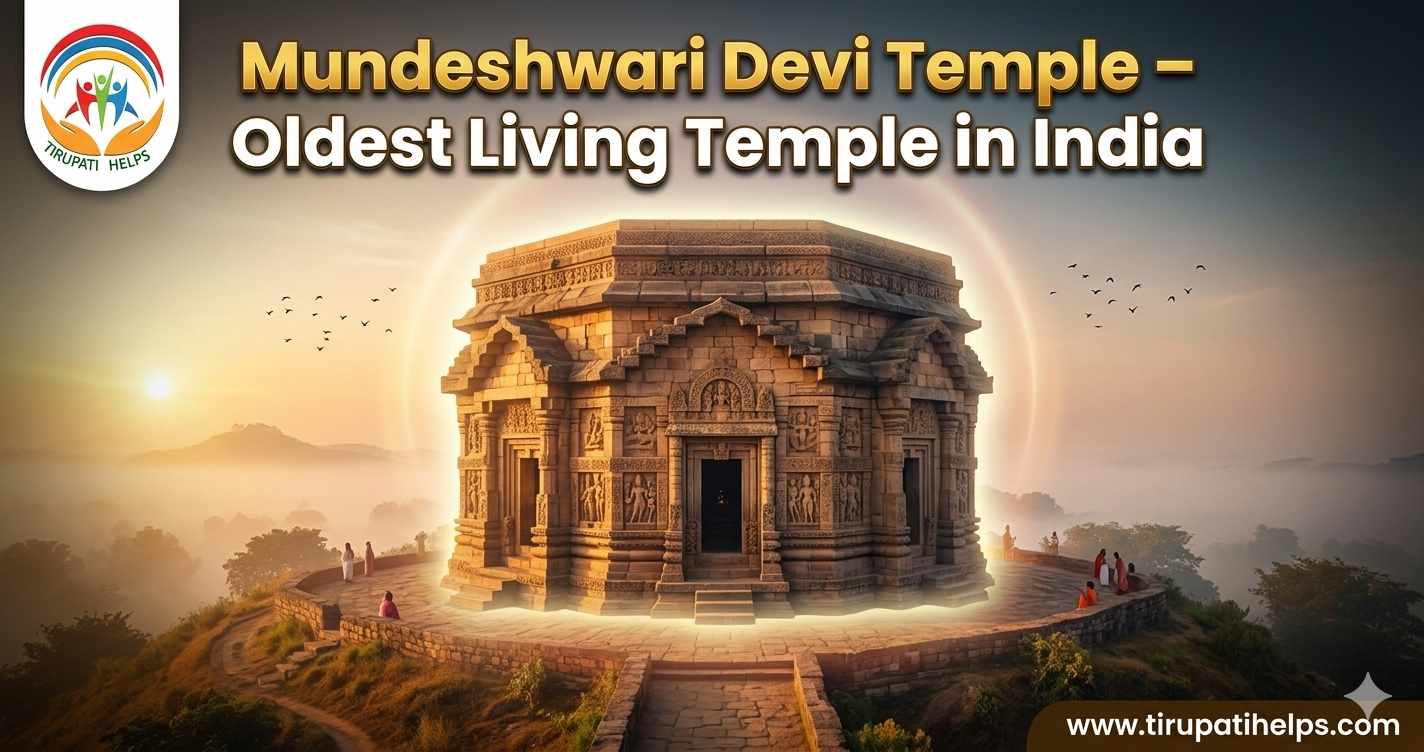
Perched gracefully on the Kaimur Hills in Bihar, the Mundeshwari Devi Temple is one of India’s most extraordinary spiritual destinations. Not only does it hold immense religious value, but it is also widely regarded as the oldest continuously functional Hindu temple in the world.
What makes this temple even more fascinating is its uninterrupted history of worship for nearly 2,000 years. Devotees from across the country visit this sacred place to seek blessings from Goddess Mundeshwari, a powerful incarnation of Durga, along with Lord Shiva.
Moreover, the temple beautifully represents a rare spiritual harmony between Shaivism and Shaktism traditions. Therefore, it is not just a temple—it is a living testimony of India’s ancient culture and devotion.
Architecture – A Rare Octagonal Wonder
One of the most striking features of Mundeshwari Temple is its octagonal shape, which is extremely rare in Indian temple architecture. Unlike conventional rectangular or square temples, this unique design reflects advanced architectural understanding from ancient times.
In addition, the temple is constructed using large stone blocks that have stood firm for centuries. Despite facing natural weathering, the structure remains remarkably intact.
Key Architectural Highlights:
- First, the temple’s octagonal layout makes it unique in India
- Moreover, intricate carvings depict various Hindu deities
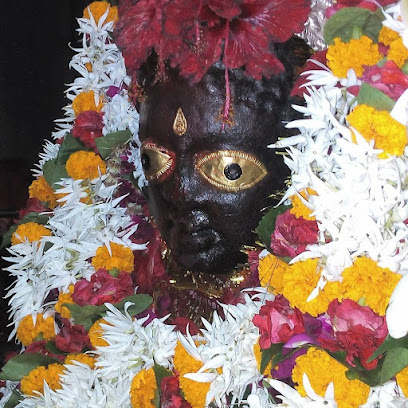
- The central sanctum houses both a Shiva Lingam and Goddess idol
- Furthermore, the elevated location offers breathtaking panoramic views
As a result, the temple is not only a religious site but also an architectural marvel.
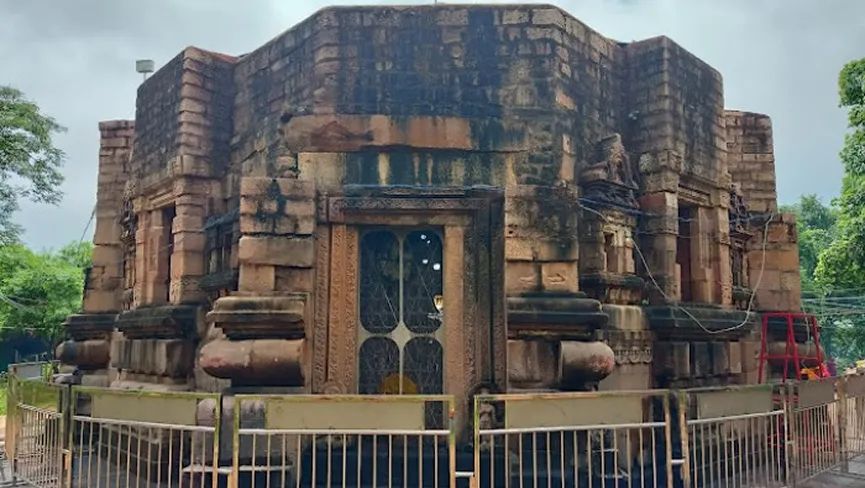
Front view of Mundeshwari Devi Temple – India’s oldest living Hindu temple in Bihar
Historical Significance
The history of Mundeshwari Devi Temple dates back to around 108 AD, making it nearly 2000 years old. Archaeological evidence, including inscriptions in ancient scripts like Brahmi, confirms its antiquity.
Furthermore, historians believe that the temple has been a continuous center of worship since its construction. This uninterrupted devotion makes it one of the oldest living temples in the world.
Why It Is Historically Important:
- Firstly, it represents early Hindu temple architecture
- Secondly, it has survived for nearly two millennia
- Moreover, it connects present-day devotees with ancient traditions
- Therefore, it holds immense archaeological and cultural value
Thus, visiting this temple feels like stepping back into India’s ancient past.
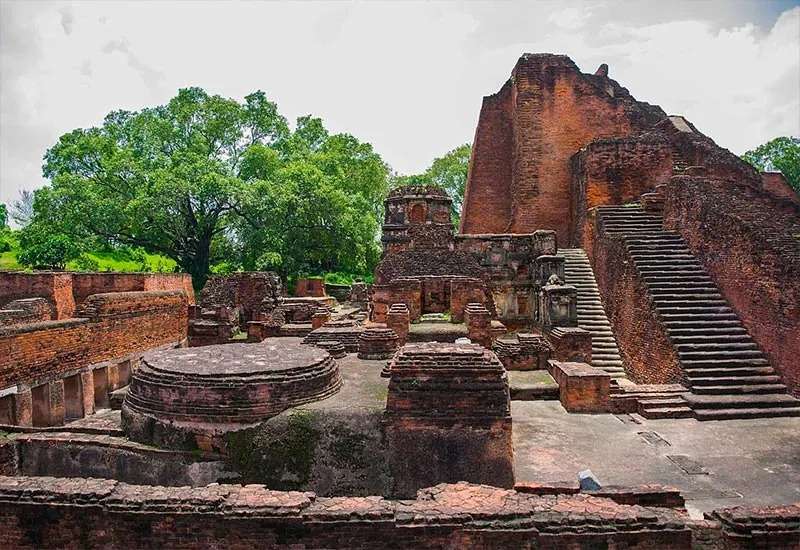
Historic ruins surrounding Mundeshwari Temple reflecting ancient heritage
Religious Importance & Unique Rituals
Apart from its historical importance, the temple is deeply revered for its powerful spiritual energy. Every year, thousands of devotees visit to offer prayers and seek blessings.
One of the most unique aspects of this temple is its symbolic animal sacrifice ritual. However, unlike traditional practices, no animal is harmed.
Instead, priests perform a ritual where the animal temporarily loses consciousness and later regains it. Therefore, this practice symbolizes sacrifice without violence, which is rare and spiritually significant.
Major Festivals Celebrated:
- Navratri (the most important festival)
- Maha Shivratri
- Ram Navami
During these festivals, the temple becomes vibrant and filled with devotional energy. As a result, it attracts pilgrims from across India.
Location & How to Reach
The temple is located in the Kaimur district of Bihar, near the town of Bhabhua.
How to Reach:
- By Air: The nearest airport is in Varanasi (approximately 100 km away)
- By Train: The nearest railway station is Bhabua Road
- By Road: The temple is well connected by local transport and taxis
After reaching the base, visitors can either climb steps or drive up to the temple. Therefore, the journey itself adds to the spiritual experience.
Best Time to Visit
The ideal time to visit Mundeshwari Temple is between October and March, when the weather remains pleasant and comfortable.
However, if you want to experience the temple at its peak spiritual energy, visiting during Navratri is highly recommended. During this time, the temple comes alive with celebrations and devotion.
Nearby Attractions
While visiting Mundeshwari Temple, you can also explore nearby destinations:
- Kaimur Wildlife Sanctuary – Perfect for wildlife and nature lovers
- Rohtasgarh Fort – A historic fort with scenic views
- Varanasi – One of the holiest cities in India
These places enhance your travel experience and make your trip more memorable.
Why You Should Visit Mundeshwari Devi Temple
There are many reasons why this temple deserves a place on your travel list. First of all, it offers a rare opportunity to witness India’s oldest living temple.
Moreover, its unique architecture, ancient rituals, and serene surroundings create a truly divine experience. In addition, the peaceful hilltop location allows visitors to connect with spirituality and nature at the same time.
Therefore, whether you are a devotee, history enthusiast, or traveler, this temple promises a fulfilling journey.
FAQs About Mundeshwari Devi Temple
1. Why is Mundeshwari Devi Temple famous?
It is famous for being the oldest continuously functional Hindu temple in the world.
2. Which deity is worshipped here?
The temple is dedicated to Goddess Mundeshwari (Durga) and Lord Shiva.
3. What is special about the temple architecture?
The temple has a unique octagonal structure, which is very rare in India.
4. Is animal sacrifice performed here?
Yes, but it is symbolic and completely non-violent.
5. How old is Mundeshwari Temple?
It dates back to around 108 AD, making it nearly 2000 years old.
6. What is the best time to visit?
October to March is ideal, especially during Navratri.

Leave A Comment