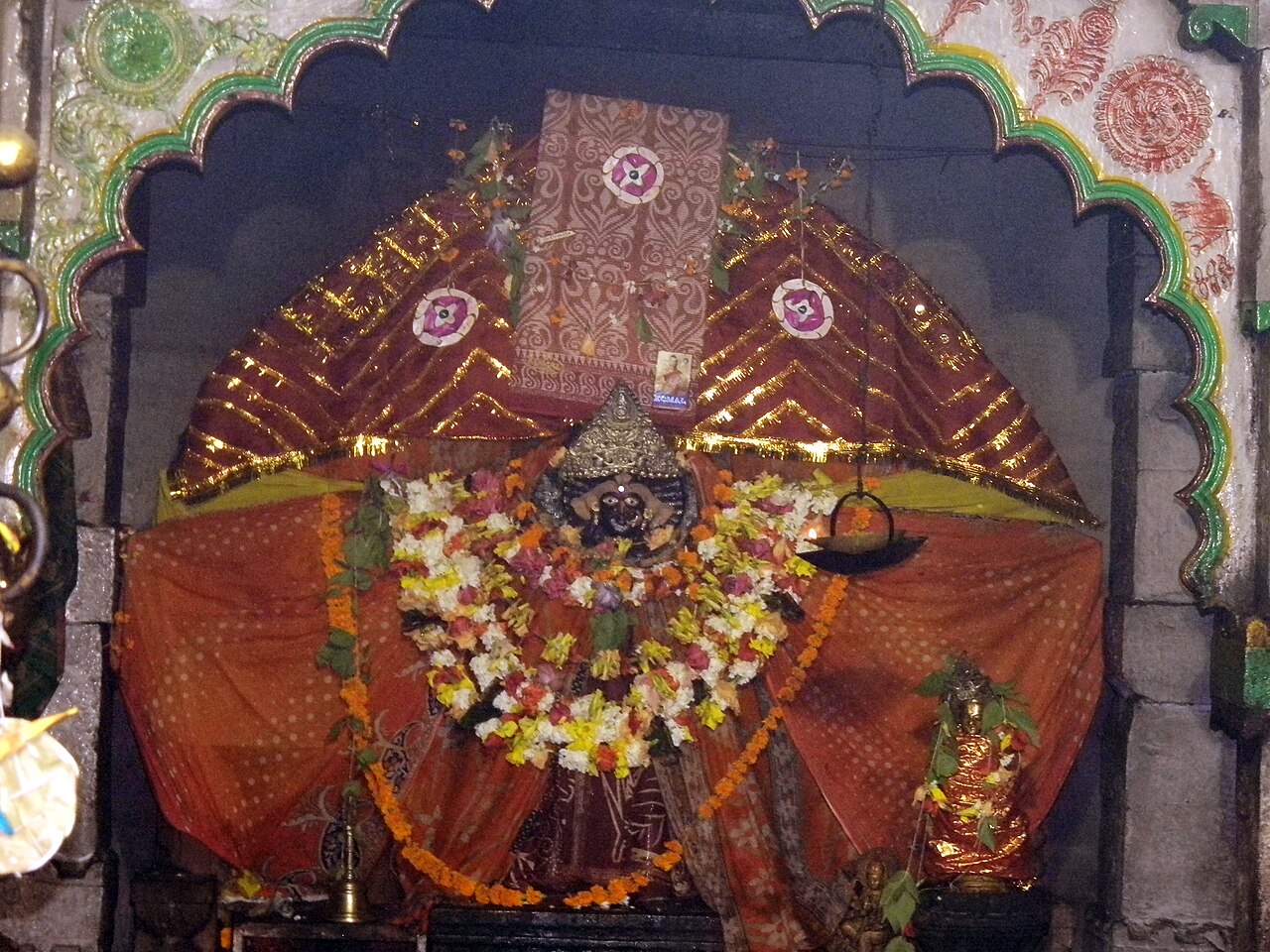
Biraja Devi Temple stands as one of the most powerful Shakti Peethas in India. Located in Jajpur, Odisha, this ancient shrine attracts thousands of devotees every year. People worship Goddess Biraja here as a strong and protective form of Goddess Shakti. Moreover, the temple holds deep mythological and spiritual importance.
Let us explore why Biraja Devi Temple remains one of Odisha’s most sacred destinations.
Location and Spiritual Identity
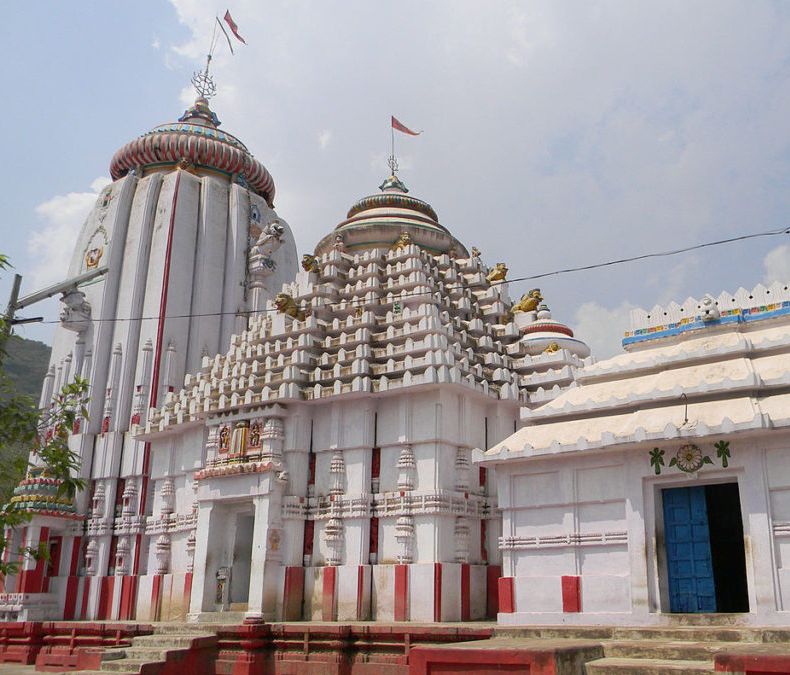
Biraja Devi Temple is situated in Jajpur district, about 100 km from Bhubaneswar. Devotees also call this sacred land Biraja Kshetra. In addition, many know it as Nabhi Gaya, which makes it highly important for ancestral rituals.
Because of this unique identity, pilgrims visit the temple not only for goddess worship but also for performing sacred rites for their ancestors.
Mythological Importance of Biraja Shakti Peeth
According to Hindu tradition, Goddess Sati sacrificed herself in Daksha’s yajna. Afterward, Lord Shiva carried her body in grief. To restore balance, Lord Vishnu used his Sudarshan Chakra to divide her body into pieces.
It is believed that Sati’s navel (nabhi) fell in Jajpur. Therefore, the place became famous as Nabhi Gaya, and Biraja Temple gained recognition as one of the 51 Shakti Peethas.
Because the navel symbolizes life and creation, devotees consider this shrine extremely powerful.
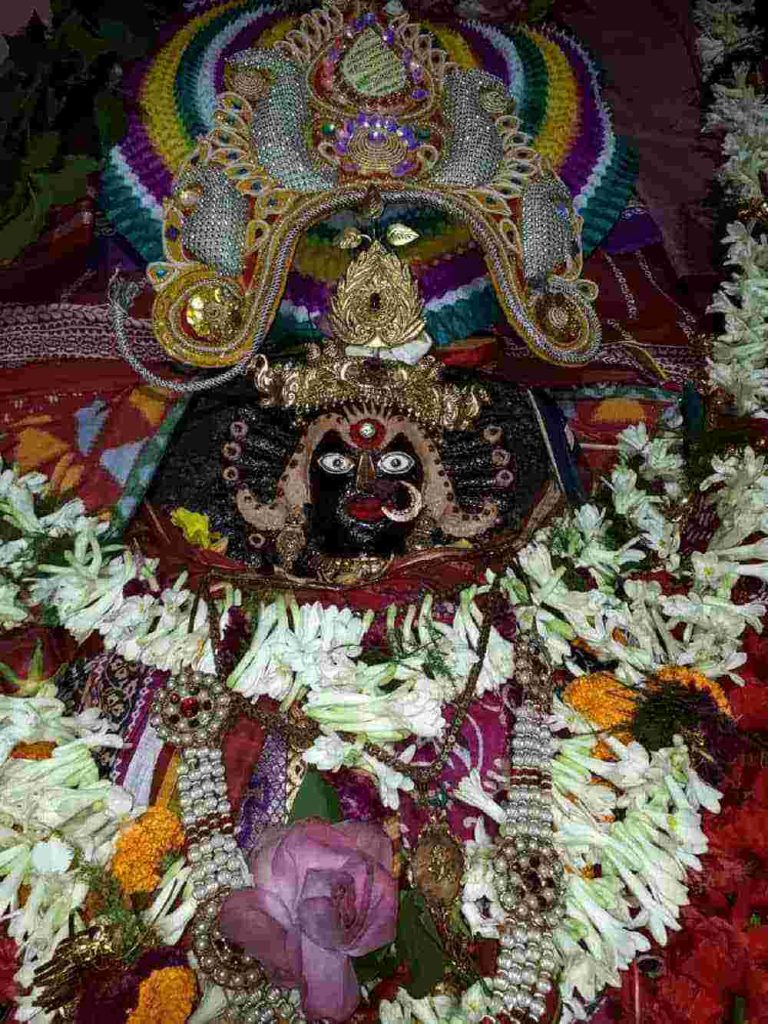
Unique Idol of Goddess Biraja
Unlike many other Shakti temples, Biraja Devi appears in a distinctive form.
- She has two arms
- She holds a spear (Shakti)
- She slays the demon Mahishasura
- The idol is carved from ancient stone
Most importantly, her expression reflects both strength and calmness. As a result, devotees feel protection and inner peace when they stand before her.
Historical Background
The present temple structure dates back to the 13th century, during the rule of the Eastern Ganga dynasty. However, scriptures mention Biraja Kshetra much earlier.
In ancient times, Jajpur served as a major center of Hindu learning. Furthermore, scholars and saints once regarded it as equal in importance to Kashi and Puri.
Why Nabhi Gaya Is Special
Jajpur forms part of the three sacred Gaya Kshetras:
- Pitra Gaya (Bihar) – Head
- Pada Gaya (Andhra Pradesh) – Feet
- Nabhi Gaya (Odisha) – Navel
Therefore, many families perform Pind Daan here. They believe these rituals help departed souls attain peace and liberation.
Festivals and Celebrations
The temple becomes vibrant during major festivals.
Durga Puja
During Navratri, thousands of devotees gather here. The temple decorates the goddess beautifully, and special rituals take place daily.
Sharadiya Navratri
Devotees observe fasts and perform special prayers during this period.
Additionally, local Odia festivals connect deeply with Biraja Devi’s worship.
Temple Architecture
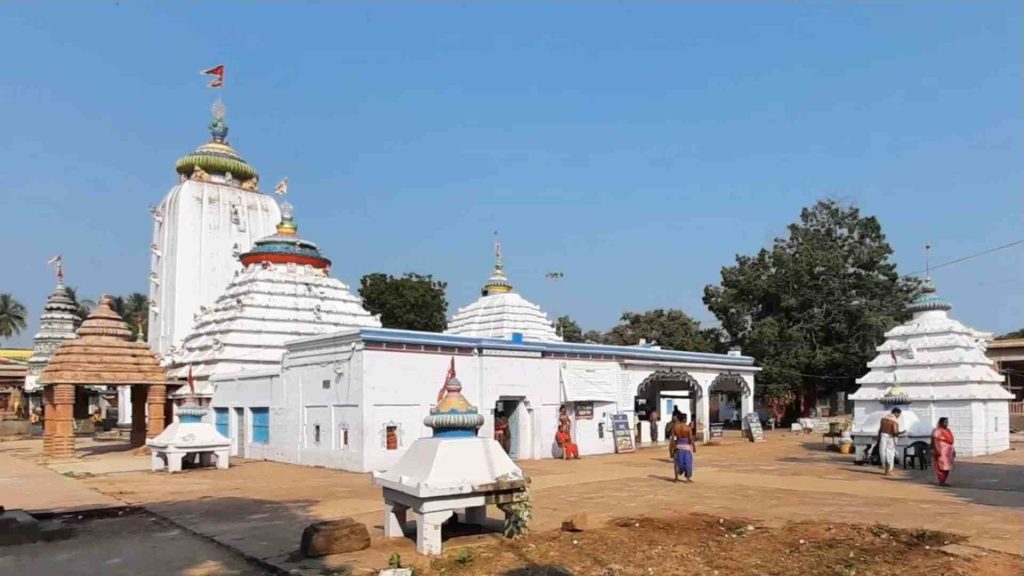
Biraja Temple follows the traditional Kalinga style of architecture.
You will notice:
- A tall sanctum tower (Rekha Deula)
- An assembly hall (Jagamohana)
- Stone carvings
- A sacred pond inside the complex
Overall, the temple structure reflects Odisha’s rich architectural heritage.
Daily Rituals and Worship
Priests perform daily rituals with devotion and discipline.
Morning rituals begin with Mangala Aarti. After that, priests offer bhoga to the goddess. In the evening, devotees gather again for aarti.
During Navratri, priests conduct special Shakti rituals. Consequently, the temple atmosphere becomes spiritually charged.
How to Reach Biraja Devi Temple
You can reach the temple easily.
- Nearest airport: Bhubaneswar
- Nearest railway station: Jajpur Keonjhar Road
- Road connectivity: Regular buses and taxis available
Therefore, pilgrims from across India visit without difficulty.
Why You Should Visit Biraja Devi Temple
Biraja Devi Temple offers more than religious significance.
- It represents one of the sacred Shakti Peethas
- It serves as a powerful site for ancestral rituals
- It showcases Odisha’s spiritual history
- It provides a peaceful devotional environment
Above all, the temple allows devotees to connect deeply with divine feminine energy.
Frequently Asked Questions (FAQs)
1. Where is Biraja Devi Temple located?
It is located in Jajpur district, Odisha.
2. Why is it called Nabhi Gaya?
Because Sati’s navel is believed to have fallen here.
3. Is Biraja Temple one of the 51 Shakti Peethas?
Yes, devotees recognize it as a sacred Shakti Peeth.
4. What makes the idol unique?
The goddess appears with two arms and holds a spear while slaying Mahishasura.
5. Can devotees perform Pind Daan here?
Yes, Nabhi Gaya is important for ancestral rites.
6. What is the best time to visit?
Navratri and Durga Puja offer the best spiritual experience.
7. Who built the present structure?
The Eastern Ganga dynasty constructed the current temple structure.
Leave A Comment