The sacred Jessoreswari Shakti Peeth, located in present-day Bangladesh, is one of the most revered pilgrimage destinations for devotees of Goddess Kali. This temple, dedicated to Maa Jeshoreshwari (a powerful form of Goddess Kali), holds immense spiritual significance as one of the 51 Shakti Peethas in Hindu tradition.
Situated in the serene region of Ishwaripur village in Satkhira district, near the Sundarbans, the temple attracts devotees from India, Bangladesh, and across the world. If you’re planning a spiritual journey or simply want to understand its deep-rooted history and divine energy, this comprehensive guide will walk you through everything you need to know.
What is Jessoreswari Shakti Peeth?
Jessoreswari Shakti Peeth is one of the sacred sites where parts of Goddess Sati’s body are believed to have fallen after the cosmic event involving Lord Shiva’s Tandava. According to mythology, the palms (or hands) of Goddess Sati fell at this location.
- “Jessore” is derived from “Yashohara,” meaning “one who destroys fame or ego.”
- “Ishwari” means Goddess.
Thus, Jessoreswari translates to “the Goddess who destroys ego and grants liberation.”
Mythological Significance
The story of Shakti Peethas originates from the legend of Goddess Sati and Lord Shiva. After Sati self-immolated due to her father Daksha’s insult to Shiva, a grief-stricken Shiva carried her body across the universe. To calm him, Lord Vishnu used his Sudarshan Chakra to cut Sati’s body into pieces, which fell at various locations, forming the Shakti Peethas.
At Jessoreswari:
- Body Part Fallen: Palms (Hands) of Goddess Sati
- Shakti (Goddess): Maa Jeshoreshwari
- Bhairava (Protector): Chanda Bhairava
Devotees believe that worshipping here helps in:
- Removing ego and negativity
- Gaining inner strength and clarity
- Spiritual awakening and liberation
Historical Background
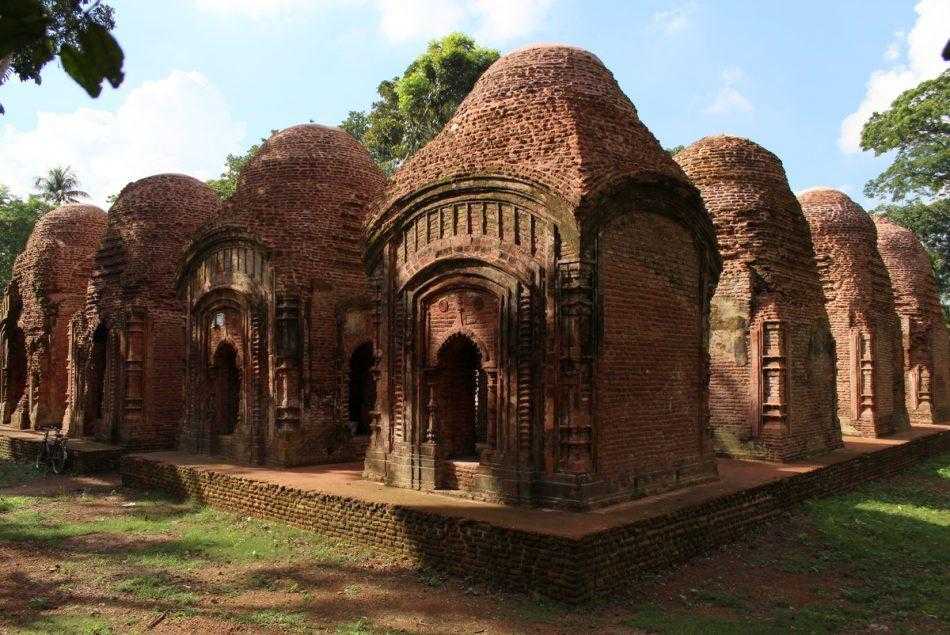
The temple’s history dates back several centuries and is closely associated with the region’s rulers and spiritual heritage.
- The temple was believed to be built during the reign of King Pratapaditya, a prominent ruler of Jessore in the late 16th–early 17th century.
- It was later renovated and maintained by local devotees and Hindu communities.
- Over time, despite geopolitical changes and challenges, the temple has remained a symbol of faith and resilience.
Though parts of the original structure have been damaged or rebuilt over time, the sanctity and importance of the temple remain intact.
Temple Architecture & Structure
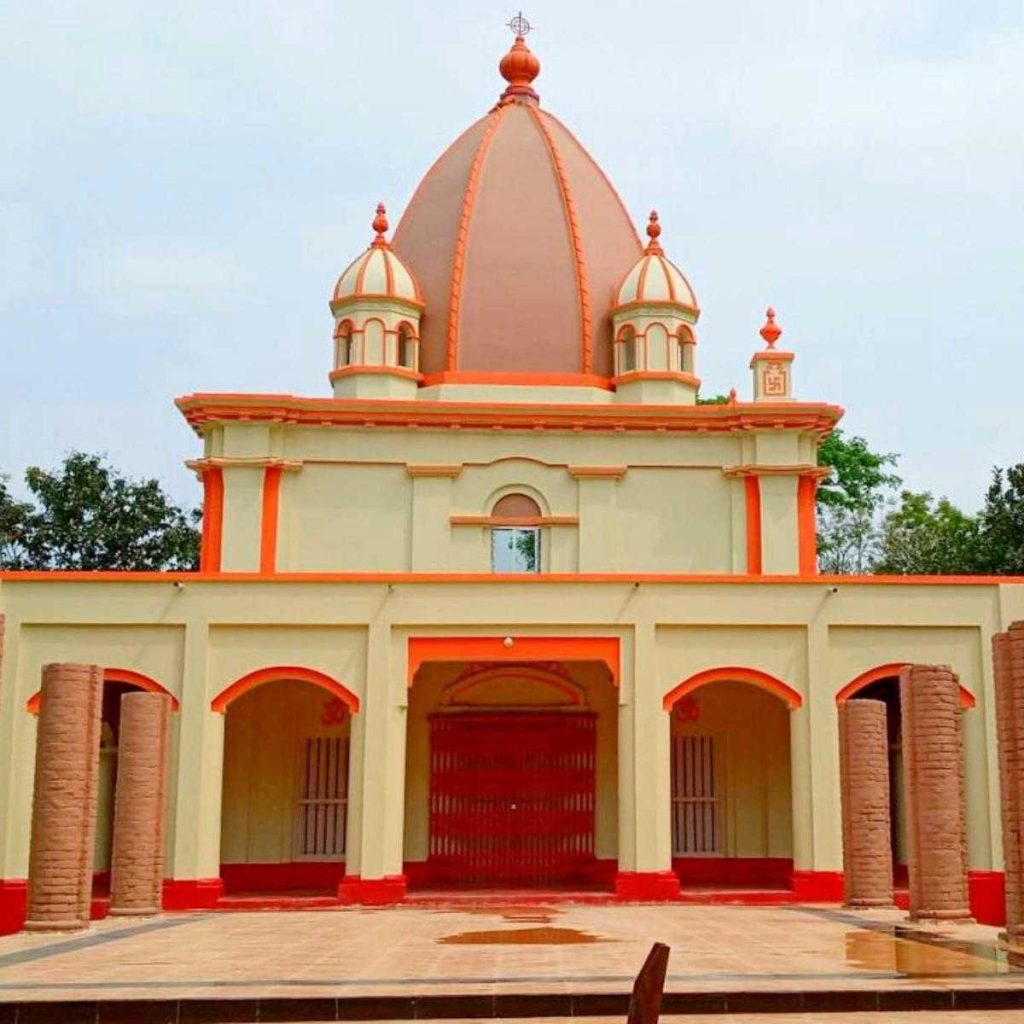
The Jessoreswari temple reflects traditional Bengal-style temple architecture with simplicity and spiritual elegance.
Key Highlights:
- A modest yet spiritually charged sanctum (Garbhagriha)
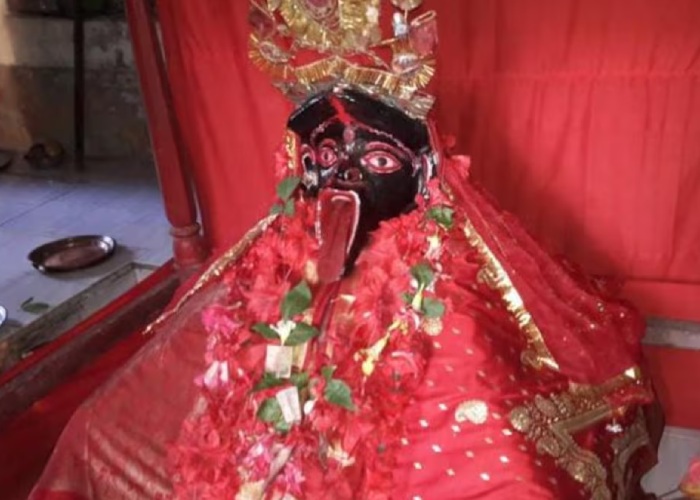
- The idol of Maa Kali worshipped in a powerful form
- Surrounding courtyards used for rituals and gatherings
- Rustic and serene village surroundings enhancing devotion
Unlike grand temples, its simplicity adds to its mystical charm, making it a deeply meditative space.
Religious Importance & Rituals
The temple is an active center of worship where daily rituals and special festivals are celebrated with devotion.
Daily Rituals:
- Morning and evening aartis
- Offerings of flowers, sweets, and incense
- Devotees seeking blessings for strength and protection
Major Festivals:
- Kali Puja – The most important festival, celebrated with grandeur
- Durga Puja – Attracts large gatherings of devotees
- Navratri – Nine days of intense spiritual practices
During these festivals, the temple becomes vibrant with chants, rituals, and cultural activities.
How to Reach Jessoreswari Temple
Location:
- Ishwaripur Village, Shyamnagar Upazila
- Satkhira District, Bangladesh
- Near the Sundarbans region
Travel Options:
From India:
- The nearest Indian border is near West Bengal
- Cross-border travel via Petrapole–Benapole border
- Then proceed by road to Satkhira
From Bangladesh:
- Nearest major city: Khulna
- From Khulna, hire a cab or take local transport to Satkhira and then Ishwaripur
Nearest Transport Hubs:
- Airport: Jessore Airport (Bangladesh)
- Railway Station: Khulna Railway Station
Best Time to Visit
The temple can be visited throughout the year, but the best time depends on your preference:
- October to March: Pleasant weather, ideal for travel
- Festival Seasons (Kali Puja, Navratri): For a vibrant spiritual experience
- Avoid peak monsoon season due to heavy rains and travel difficulties
Travel Tips for Devotees
- Carry valid travel documents (passport & visa) for cross-border visits
- Dress modestly as it is a sacred site
- Respect local customs and traditions
- Plan your visit during daylight hours for better accessibility
- Arrange local transport in advance as the temple is in a rural area
Nearby Attractions
While visiting Jessoreswari, you can explore nearby attractions:
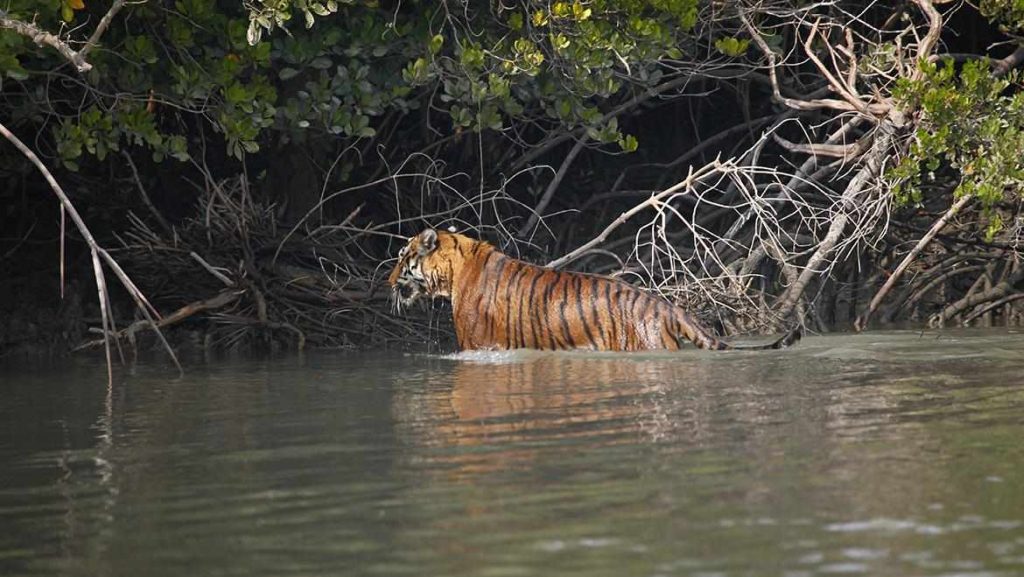
- Sundarbans – The world’s largest mangrove forest and home to the Royal Bengal Tiger
- Khulna City – A cultural and commercial hub
- Local villages – Experience traditional Bangladeshi lifestyle
Why Jessoreswari Shakti Peeth is Special
Jessoreswari is not just a temple—it’s a place where spirituality meets history and devotion transcends borders.
Unique Aspects:
- One of the rare Shakti Peethas located in Bangladesh
- Associated with the palms (karma, action, power) of Goddess Sati
- Symbol of resilience and faith despite historical challenges
- A peaceful alternative to crowded pilgrimage centers
This temple holds a unique emotional connection for devotees, especially those from Bengal and Eastern India.
FAQs About Jessoreswari Shakti Peeth
1. Why is Jessoreswari Shakti Peeth famous?
It is one of the 51 Shakti Peethas where the palms of Goddess Sati are believed to have fallen, making it a powerful spiritual site.
2. Where is Jessoreswari Temple located?
It is located in Ishwaripur village in Satkhira district of Bangladesh.
3. Which body part of Sati fell here?
The palms (hands) of Goddess Sati fell at this location.
4. Who is the Bhairava of this temple?
Chanda Bhairava is the guardian deity associated with this Shakti Peeth.
5. Is it safe to visit Jessoreswari Temple?
Yes, it is generally safe, but travelers should follow local guidelines and ensure proper travel documentation.
6. What is the best time to visit?
October to March and during Kali Puja or Navratri for a spiritual experience.
7. Can Indian devotees visit easily?
Yes, with valid passport and visa, Indian devotees can visit via the Benapole border.
Conclusion
Jessoreswari Shakti Peeth stands as a divine testament to faith, mythology, and cultural heritage. Whether you’re a devotee seeking blessings or a traveler exploring spiritual landmarks, this temple offers a deeply enriching experience.
From its mythological roots to its serene location near the Sundarbans, Jessoreswari invites you into a world of devotion, peace, and spiritual awakening. Visiting this sacred site is not just a journey across borders—but a journey within.

Leave A Comment