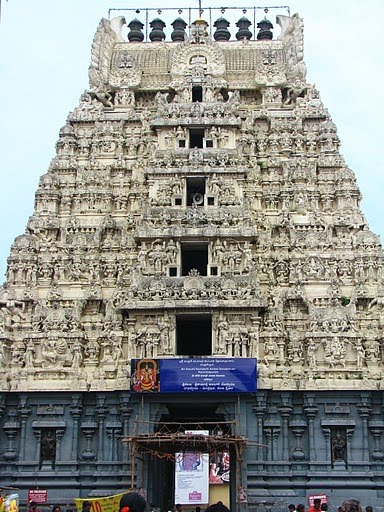
The sacred Kamakshi Amman Temple stands as one of the most powerful centers of Shakti worship in India. Located in the historic town of Kanchipuram, this temple is dedicated to Goddess Kamakshi, an incarnation of Goddess Parvati who embodies compassion, strength, and divine grace.
Kanchipuram, often called the “City of Thousand Temples,” draws spiritual seekers, historians, and travelers alike. Among its many shrines, Kamakshi Amman Temple holds a unique place as the spiritual nucleus of the city.
The Divine Legend Behind the Temple
According to sacred lore, Goddess Parvati once performed intense penance in Kanchipuram to reunite with Lord Shiva. She is believed to have fashioned a Shiva Lingam from sand and meditated with unwavering devotion. Moved by her sincerity, Lord Shiva appeared and accepted her as his consort.
In this temple, the Goddess is worshipped as Kamakshi — meaning “the one whose eyes fulfill desires.” Unlike many temples where the goddess stands, here she is seated in a yogic posture, symbolizing serenity and supreme cosmic power.
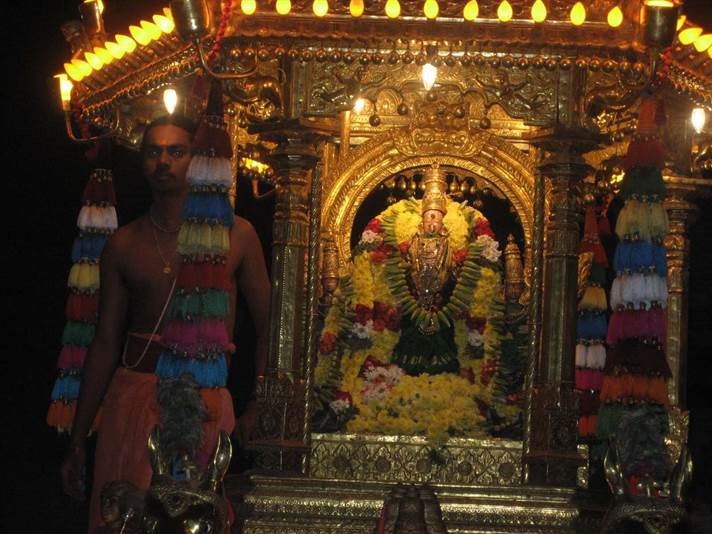
Divine idol of Goddess Kamakshi adorned with flowers and ornaments.
Historical Background
The origins of the temple trace back to ancient South Indian dynasties. The Pallavas are believed to have initiated the structure, which was later expanded by the Cholas and Vijayanagara rulers. Over centuries, the temple evolved into a major spiritual institution in Tamil Nadu.
It is also traditionally associated with Adi Shankaracharya, who is said to have installed the Sri Chakra inside the temple to balance the intense energy of the deity.
Architectural Grandeur
Kamakshi Amman Temple reflects classical Dravidian temple architecture, characterized by:
- A majestic entrance tower (Raja Gopuram)
- Detailed carvings on pillars and ceilings
- Expansive mandapams (assembly halls)
- A sacred temple tank
- A beautifully decorated golden chariot used during festivals
The sanctum houses the main idol adorned with rich silk garments, gold ornaments, and fragrant flowers. The seated posture of the deity sets this temple apart from many other Shakti shrines in India.
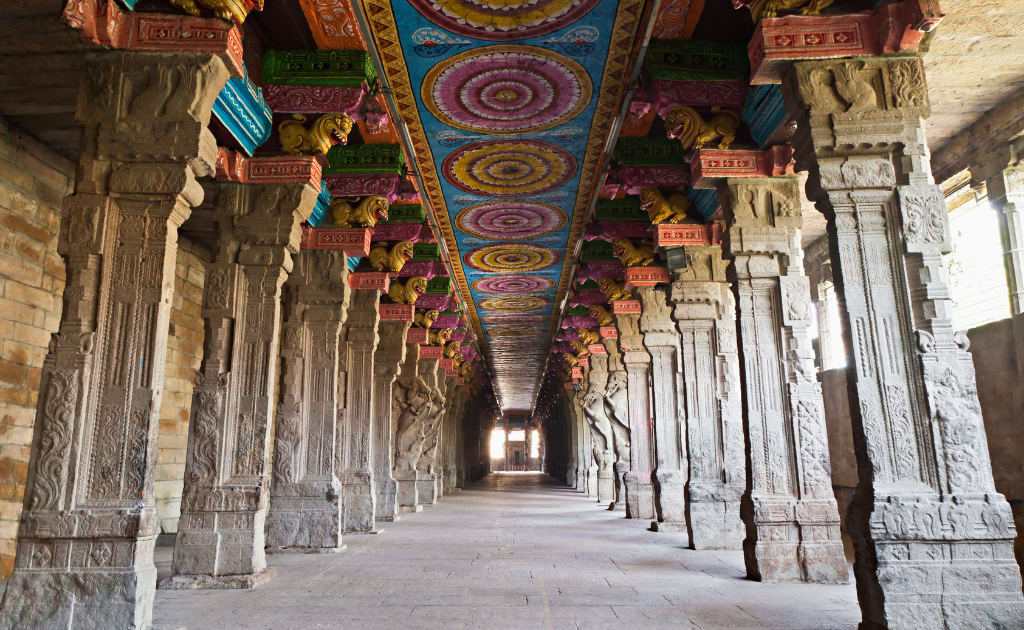
Ornate stone corridor inside Kamakshi Amman Temple.
Religious Importance
This temple is regarded as one of the significant centers of Shakti worship. Devotees believe that:
- Prayers here help remove marriage obstacles
- Couples seek blessings for harmony and prosperity
- Spiritual seekers gain inner clarity and strength
The temple represents divine feminine energy in its most benevolent and nurturing form.
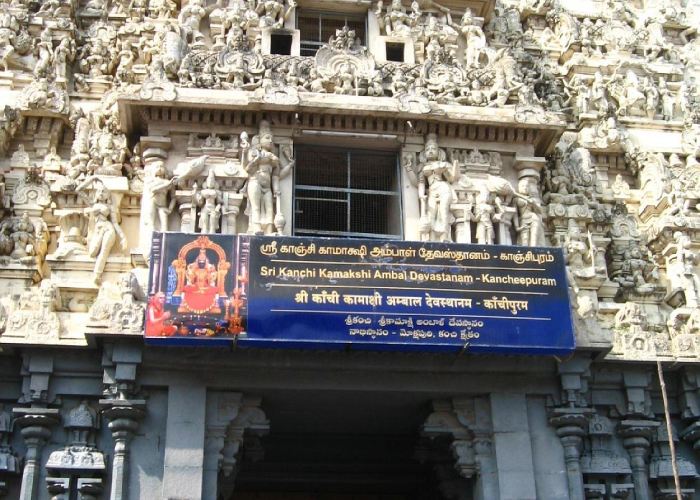
Grand Raja Gopuram of Kamakshi Amman Temple.
Major Festivals Celebrated
Navaratri
Navaratri is celebrated with immense devotion. Each day, the goddess is decorated in different forms, and special rituals are performed.
Annual Brahmotsavam
The grand Brahmotsavam festival includes vibrant processions, Vedic chanting, and cultural programs.
Panguni Uthiram
This festival commemorates the celestial union of Goddess Kamakshi and Lord Shiva.
During festival days, the temple atmosphere becomes vibrant with devotional music and traditional ceremonies.
Temple Timings
- Morning: 5:30 AM – 12:30 PM
- Evening: 4:00 PM – 8:30 PM
(Timings may vary during special occasions.)
Entry & Dress Guidelines
- Entry: Free for all devotees
- Special Darshan: Available with nominal charges
- Dress Code: Traditional attire is recommended for a respectful temple visit
How to Reach
Kanchipuram is well connected by road and rail.
- Distance from Chennai: Around 75 km
- Nearest Airport: Chennai International Airport
- Railway Station: Kanchipuram Railway Station
Regular buses and taxis operate from Chennai and nearby cities.
Nearby Temples to Explore
Visitors can also explore:
- Ekambareswarar Temple
- Varadaraja Perumal Temple
- Kailasanathar Temple
These temples enhance the spiritual experience of visiting Kanchipuram.
Frequently Asked Questions (FAQ)
1. Why is Kamakshi Amman Temple famous?
It is renowned as a powerful Shakti shrine dedicated to Goddess Kamakshi and holds immense religious importance in Tamil Nadu.
2. Where is the temple located?
It is situated in Kanchipuram, Tamil Nadu.
3. What is unique about the idol?
The goddess is seated in a yogic posture rather than standing, symbolizing calmness and divine authority.
4. What is the best time to visit?
October to March offers pleasant weather. Navaratri is especially significant.
5. Is photography allowed?
Photography is generally restricted inside the inner sanctum.
6. How far is it from Chennai?
Approximately 75 km, taking around 2 hours by road.
Leave A Comment