Shri Kashi Vishwanath Jyotirlinga is one of the holiest and most spiritually powerful shrines in Hinduism. Located in the ancient city of Varanasi, this sacred temple is dedicated to Lord Shiva, revered here as Vishwanath — the Lord of the Universe. Among the twelve sacred Jyotirlingas, Kashi Vishwanath Temple holds a unique position as the eternal spiritual center where devotion, liberation, and cosmic truth converge.
What Is a Jyotirlinga?
A Jyotirlinga represents Lord Shiva in his infinite form of divine light (Jyoti). According to ancient Hindu scriptures, Shiva manifested as an endless pillar of light to reveal that he is beyond beginning and end. Among the twelve Jyotirlingas across India, Kashi Vishwanath is believed to be the most spiritually potent, as it resides in Kashi — the city considered eternal and indestructible.
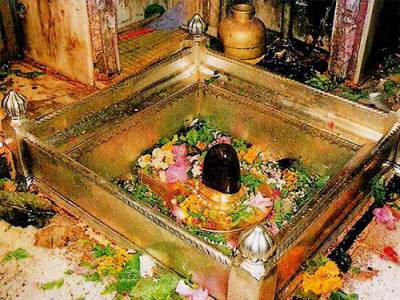
Vishwanath Jyotirlinga at Shri Kashi Vishwanath Temple, Varanasi – the eternal light of Lord Shiva
Spiritual Importance of Kashi Vishwanath
Kashi, also known as Varanasi, is regarded as the city of moksha (liberation). Devotees believe that anyone who worships Lord Shiva at Kashi Vishwanath with true devotion can attain freedom from the cycle of birth and death. It is said that Lord Shiva himself whispers the Taraka Mantra into the ears of devotees at the time of death in Kashi, guiding their soul toward liberation.
This belief makes Kashi Vishwanath Jyotirlinga not just a pilgrimage site, but a spiritual destination where life, death, and eternity intersect.
History of Shri Kashi Vishwanath Temple
The history of the Kashi Vishwanath Temple spans several centuries. Ancient Hindu texts mention the presence of a Shiva shrine in Kashi thousands of years ago. Over time, the temple faced repeated destruction and reconstruction due to historical invasions and political changes.
The present structure of the temple was built in the 18th century by Maharani Ahilyabai Holkar of Indore, a great devotee of Lord Shiva. Later, the temple’s iconic golden domes were added with gold donated by Maharaja Ranjit Singh, giving the shrine its distinctive and majestic appearance.
Despite centuries of challenges, the temple has stood resilient — symbolizing unwavering faith and devotion.
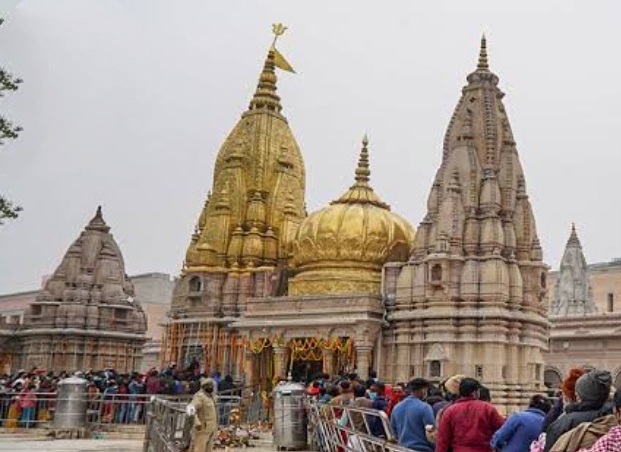
Shri Kashi Vishwanath Temple, Varanasi – the sacred Jyotirlinga and eternal abode of Lord Shiva
Temple Architecture and Sanctum
The Kashi Vishwanath Temple follows traditional North Indian temple architecture. At the heart of the shrine lies the Garbhagriha (sanctum sanctorum), where the sacred Shiva Lingam is enshrined.
The Jyotirlinga here is bathed daily with holy offerings such as water from the Ganga, milk, honey, curd, and sacred ash (vibhuti). The temple complex also houses several smaller shrines dedicated to other deities, creating a spiritually vibrant atmosphere.
Daily Rituals and Aartis
The temple follows a strict and ancient ritual schedule that begins before sunrise and continues late into the night.
- Mangala Aarti (Early Morning): The first ritual of the day, symbolizing awakening the deity
- Bhog Aarti (Midday): Offering of food to Lord Shiva
- Sandhya Aarti (Evening): One of the most divine and visually captivating rituals
- Shringar and Shayana Aarti (Night): Decoration and symbolic rest of the deity
Each aarti is accompanied by Vedic chants, bells, and lamps, creating a deeply immersive spiritual experience.
Best Time to Visit Kashi Vishwanath Jyotirlinga
The temple is open throughout the year, but the most spiritually significant time to visit is during early morning hours when the atmosphere is calm and less crowded. Festivals such as Mahashivratri, Shravan Maas, and Dev Deepawali attract lakhs of devotees and offer a vibrant devotional environment.
Winter months are generally considered comfortable for travel and temple visits.
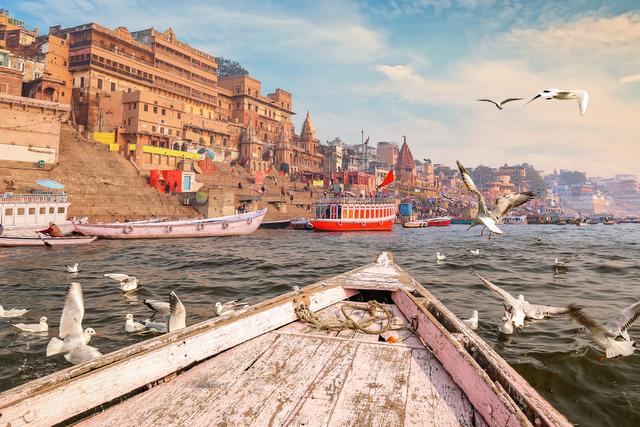
Historic ghats of Varanasi lining the sacred River Ganga, the spiritual heart of India
Pilgrimage Experience in Varanasi
A visit to Kashi Vishwanath is often combined with a holy dip in the River Ganga and visits to nearby ghats and temples. Walking through the narrow lanes of Varanasi, filled with chants of “Har Har Mahadev,” itself becomes a spiritual journey.
The recently developed temple corridor has significantly improved access and facilities for devotees, enhancing the overall pilgrimage experience while preserving the city’s ancient essence.
Location:
For More Details: Click Here
Places to Visit Near Kashi Vishwanath Temple
After visiting the sacred Kashi Vishwanath Temple in Varanasi, you can explore several spiritually significant places located nearby:
- Dashashwamedh Ghat – Known for its grand evening Ganga Aarti and vibrant spiritual atmosphere.
- Kaal Bhairav Temple – Revered as the guardian deity of the city of Kashi.
- Manikarnika Ghat – One of the holiest ghats, associated with liberation and the cycle of life.
- Annapurna Devi Temple – A sacred shrine dedicated to the goddess of nourishment, located close to the main temple.
- Assi Ghat – A calm and spiritual ghat ideal for sunrise prayers and meditation.
- Sarnath – A peaceful Buddhist site where Lord Buddha delivered his first sermon.
These locations can be comfortably covered in a short visit and together offer a complete spiritual experience of Varanasi.
FAQs About Shri Kashi Vishwanath Jyotirlinga
1. Why is Kashi Vishwanath considered the most powerful Jyotirlinga?
Kashi Vishwanath is believed to grant moksha, as Lord Shiva himself is said to reside here eternally and guide souls toward liberation.
2. What is the significance of dying in Kashi?
According to belief, those who pass away in Kashi are freed from rebirth, as Lord Shiva grants them salvation.
3. What are the temple timings?
The temple generally opens in the early morning hours (around 3:00 AM) and closes late at night, with multiple darshan slots throughout the day.
4. Is there a dress code for devotees?
Yes, modest and traditional attire is recommended. Men are often advised to wear dhoti or simple clothing, while women should wear sarees or salwar suits.
5. Can senior citizens and children visit easily?
Yes. Improved facilities, dedicated queues, and assistance services make the temple accessible for senior citizens and families.
6. How much time does darshan usually take?
Darshan time varies based on crowd levels and festival days, ranging from 30 minutes to a few hours.
Conclusion
Shri Kashi Vishwanath Jyotirlinga is not merely a temple — it is the spiritual soul of India. Rooted in ancient wisdom, divine energy, and unwavering faith, it continues to guide millions toward inner peace and liberation. A visit to this sacred shrine is a journey beyond religion — a timeless experience of devotion, surrender, and divine connection.
Leave A Comment