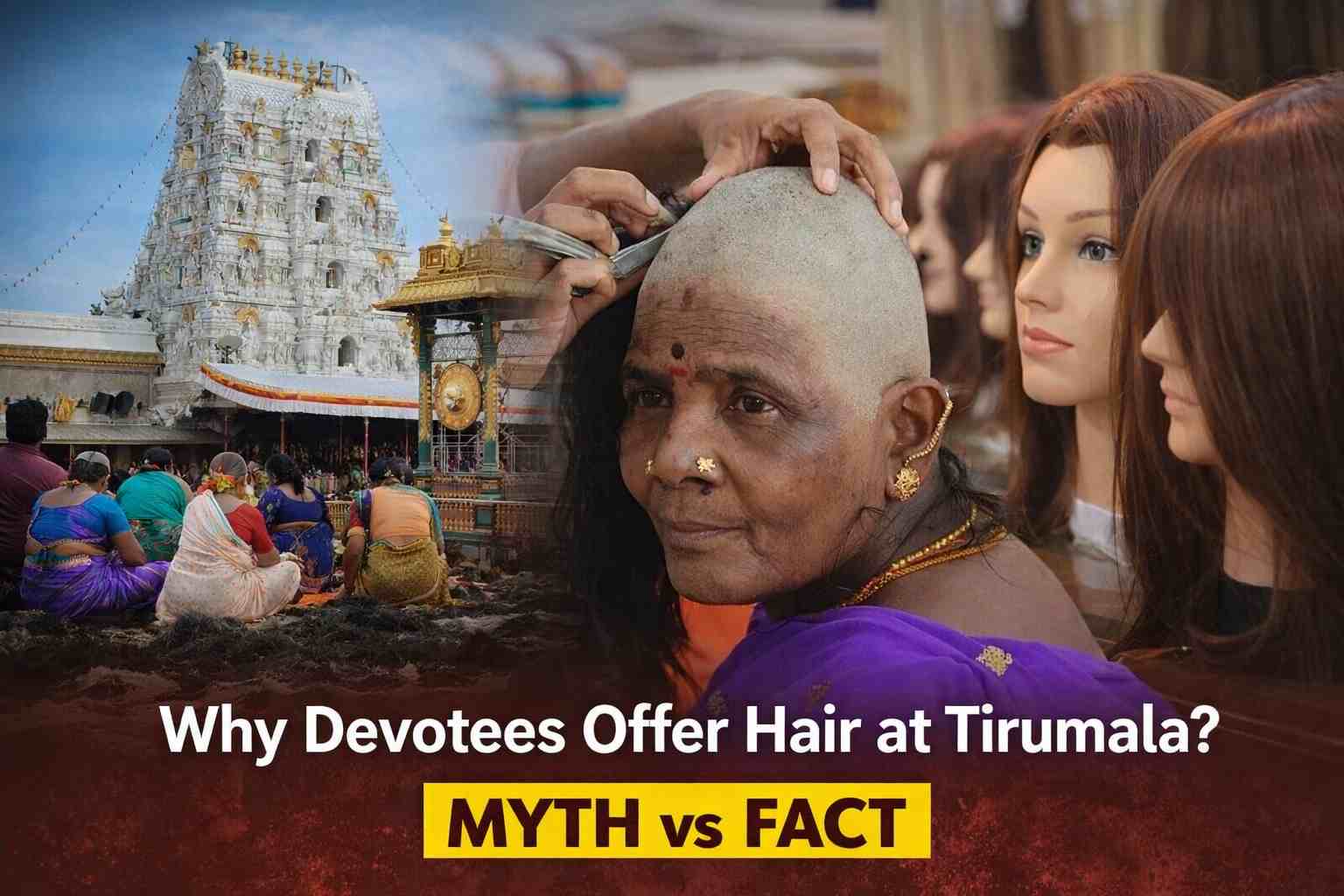
Many pilgrims visiting Tirumala often wonder why devotees offer hair at Tirumala before having darshan of Lord Venkateswara. This sacred tradition, followed by millions every year, is not just a ritual but a powerful expression of devotion, surrender, and gratitude.
At the holy shrine of Lord Venkateswara in Tirumala, hair offering is one of the most visible acts of faith. While some believe it is based purely on mythology, others see deep spiritual and symbolic meaning behind it. Let us explore the myth, facts, and real significance of this ancient practice.
Why Devotees Offer Hair at Tirumala – The Mythological Story
According to temple legend, when Lord Venkateswara manifested on earth during Kali Yuga, a small portion of His scalp lost hair due to an incident. A celestial princess named Neela Devi noticed this and immediately cut a portion of her own hair to cover the Lord’s bald patch.
Touched by her devotion, the Lord is believed to have promised that devotees who offer their hair to Him would receive divine blessings. Since then, offering hair became a sacred tradition at Tirumala.
While this story is rooted in temple mythology, it symbolizes something deeper — selfless devotion and sacrifice.
The Spiritual Meaning Behind Hair Offering
Understanding why devotees offer hair at Tirumala requires looking beyond mythology.
Hair is often associated with:
- Beauty
- Pride
- Identity
- Ego
When devotees shave their heads, they symbolically surrender their ego and worldly attachments. In Hindu philosophy, surrendering one’s pride before God is considered one of the highest forms of devotion.
This act represents:
- Humility
- Gratitude
- Fulfillment of vows (Mokku)
- Total surrender (Sharanagati)
For many devotees, offering hair is a way of thanking the Lord after their wishes are fulfilled — whether related to health, education, career, or family.
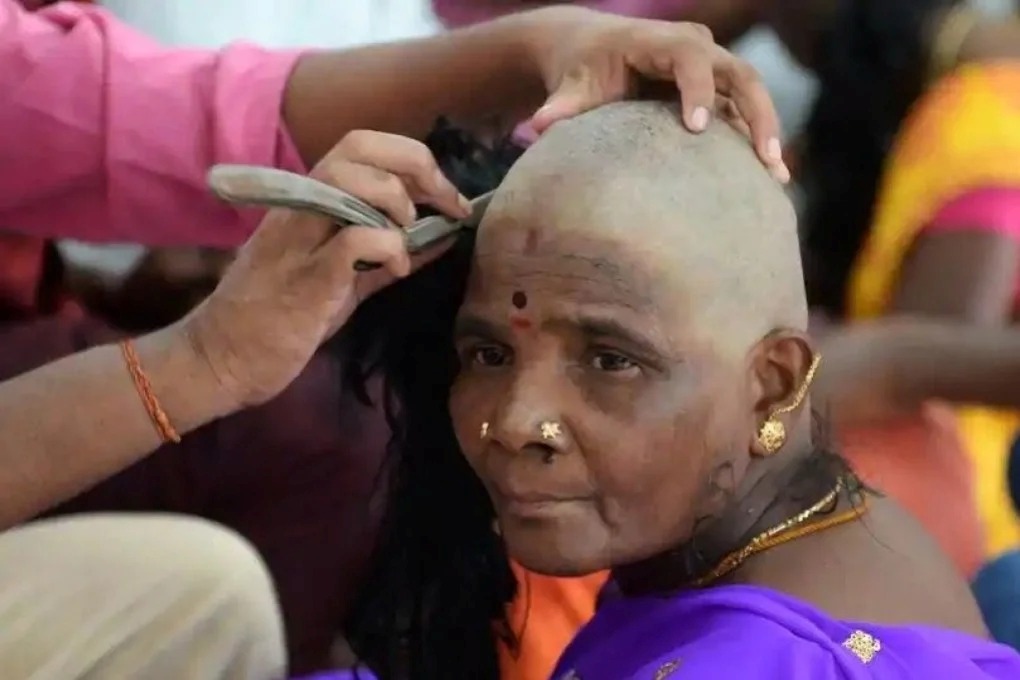
A devotee offering hair at Tirumala as an act of surrender and gratitude to Lord Venkateswara.
Is Hair Offering Compulsory at Tirumala?
One common myth is that hair donation is mandatory for darshan. This is completely false.
Hair offering at Tirumala is entirely voluntary. Devotees choose to shave their heads based on personal vows or devotion. Many pilgrims visit the temple without participating in tonsure.
The temple administration has designated halls known as Kalyanakatta where the ritual tonsure is performed in an organized and hygienic manner.
The Historical and Cultural Perspective
Tonsure rituals are not unique to Tirumala. In many ancient Indian traditions, shaving the head symbolizes purification and rebirth. Even in Vedic ceremonies, head shaving marks new beginnings.
However, Tirumala has institutionalized the practice in a structured and systematic way. The temple administration, Tirumala Tirupati Devasthanams (TTD), manages the entire process efficiently.
Every day, thousands of devotees voluntarily offer their hair, making it one of the largest hair donation centers in the world.
What Happens to the Donated Hair? (The Fact)
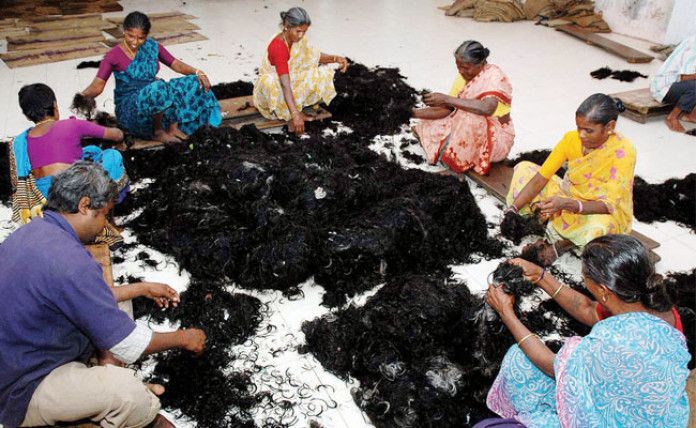
Donated hair at Tirumala is carefully sorted and prepared for international auctions by TTD.
Another major question surrounding why devotees offer hair at Tirumala is what happens to the collected hair.
Contrary to some beliefs, the hair is not discarded.
TTD carefully:
- Collects the hair
- Sorts it based on length and quality
- Conducts e-auctions
- Exports it internationally
The donated hair is used in:
- Wigs
- Hair extensions
- Cosmetic industries
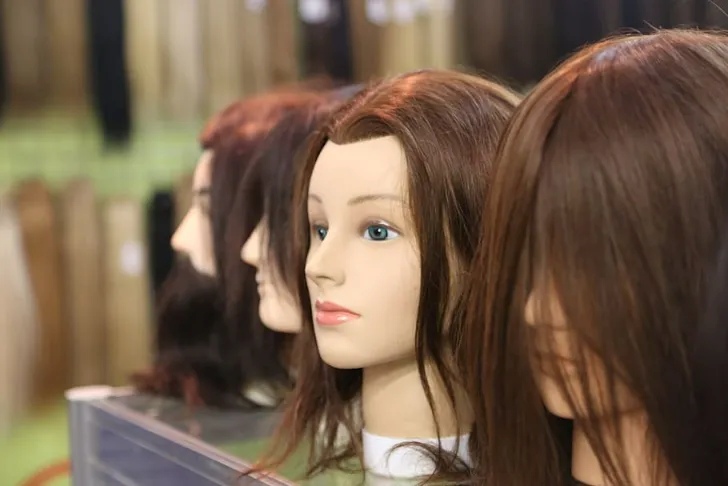
Tirumala hair donation is used to create high-quality wigs and hair extensions sold worldwide.
The revenue generated from these auctions runs into hundreds of crores annually. This money supports:
- Temple maintenance
- Free meals (Annadanam)
- Educational institutions
- Hospitals
- Various charitable services
Thus, the spiritual act of devotees also contributes to social welfare.
Myth vs Fact – Clear Understanding
Myth: Hair offering is blind belief.
Fact: It has symbolic, spiritual, and historical meaning.
Myth: Only certain people shave their heads.
Fact: Devotees from all backgrounds, including celebrities and children, participate.
Myth: The hair is wasted.
Fact: It is scientifically processed and globally auctioned to fund welfare activities.
Psychological and Emotional Aspect
Many devotees report feeling lighter and spiritually cleansed after tonsure. Shaving the head creates a sense of renewal and fresh beginning. The act strengthens emotional faith and deepens the spiritual connection with Lord Venkateswara.
For those who make vows during difficult times, fulfilling that promise through hair offering becomes a moment of gratitude and relief.
Conclusion
So, why devotees offer hair at Tirumala is not just a mythological question but a spiritual journey. The tradition combines devotion, surrender, symbolism, and social impact.
Offering hair at Tirumala is not about losing physical beauty — it is about shedding ego and embracing humility before the divine.
For millions of pilgrims, this sacred act represents faith in its purest form.
Leave A Comment