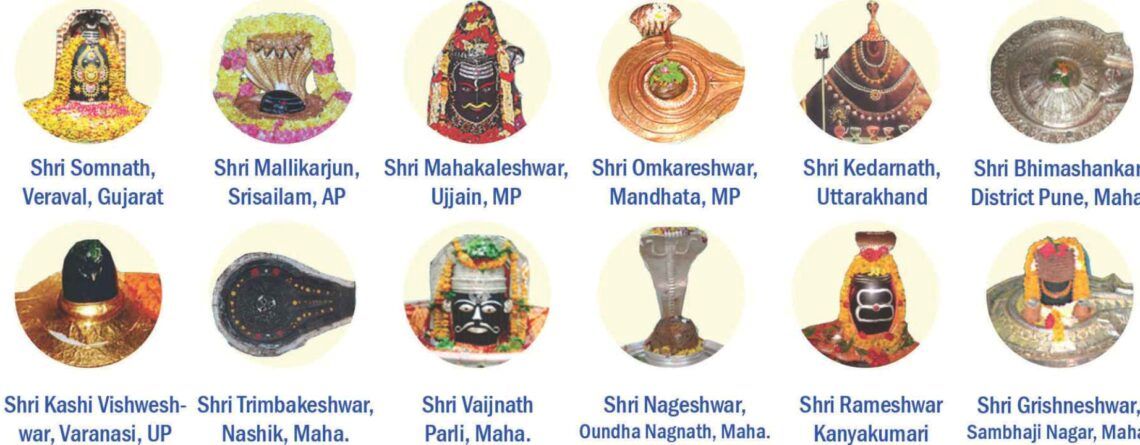
In Hindu spirituality, Lord Shiva is revered as the supreme cosmic force who governs creation, preservation, and dissolution. Among the countless temples dedicated to Shiva across India, the 12 Jyotirlingas occupy a place of unmatched reverence. These sacred shrines are believed to be the sites where Shiva manifested as a Jyoti (divine pillar of light), revealing his infinite, formless nature to the universe.
The Jyotirlingas are mentioned in ancient scriptures such as the Shiva Purana and Linga Purana, which describe how Shiva appeared as an endless column of light to establish his supremacy. For devotees, visiting these shrines is not merely a ritualistic journey—it is a deeply transformative spiritual pilgrimage believed to cleanse karma, strengthen devotion, and guide one toward liberation (moksha).
What Is a Jyotirlinga?
The word Jyotirlinga is derived from two Sanskrit terms:
- Jyoti – Light
- Linga – Symbolic form of Shiva
A Jyotirlinga represents Shiva in his boundless, eternal form—without beginning or end. Unlike consecrated Shiva lingas found in ordinary temples, Jyotirlingas are believed to be Swayambhu (self-manifested) and are considered the most powerful expressions of Shiva’s divine energy.
Benefits of Visiting the 12 Jyotirlingas
Visiting the 12 Jyotirlingas of Lord Shiva is believed to offer profound spiritual, mental, and karmic benefits. Each Jyotirlinga represents Shiva’s infinite divine light, and undertaking this sacred pilgrimage is considered one of the highest acts of devotion in Shaivism.
One of the key benefits is spiritual purification. Devotees believe that darshan of all 12 Jyotirlingas helps cleanse past sins and negative karma, leading the soul toward inner purity and divine grace. The journey also strengthens faith, discipline, and devotion, as it requires commitment, patience, and surrender.
Pilgrims often experience mental peace and emotional balance, as the temples are located in spiritually powerful and serene environments. Many devotees believe that Jyotirlinga darshan helps overcome life obstacles, health issues, and fears, while bringing clarity and positivity.
On a deeper level, visiting all 12 Jyotirlingas is said to support moksha sadhana—the path toward liberation—by deepening one’s connection with Shiva consciousness. Beyond spirituality, the pilgrimage also offers a rich experience of India’s sacred geography, culture, and ancient temple heritage.
Overall, the Jyotirlinga yatra is not just a religious journey, but a transformational experience that nurtures the body, mind, and soul.
The 12 Jyotirlingas of Lord Shiva with Their Importance
1. Somnath Jyotirlinga
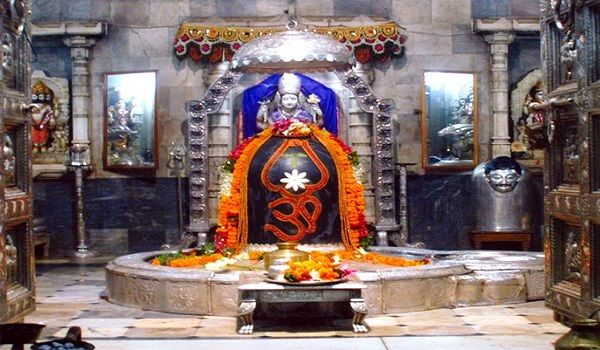
Somnath-Jyothirlinga
Regarded as the first Jyotirlinga, Somnath symbolizes Shiva’s eternal presence. Though destroyed and rebuilt multiple times throughout history, the temple stands as a powerful reminder of unshakable faith and resilience.
2. Mallikarjuna Jyotirlinga
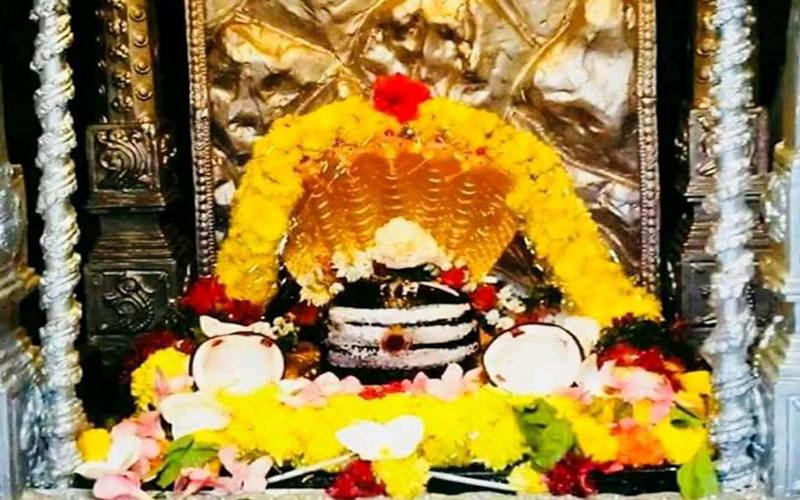
srisailam-mallikarjuna-jyotirlinga
Located in the sacred Nallamala Hills, this shrine uniquely represents the union of Shiva and Shakti, with Goddess Bhramaramba worshipped alongside Lord Mallikarjuna.
3. Mahakaleshwar Jyotirlinga
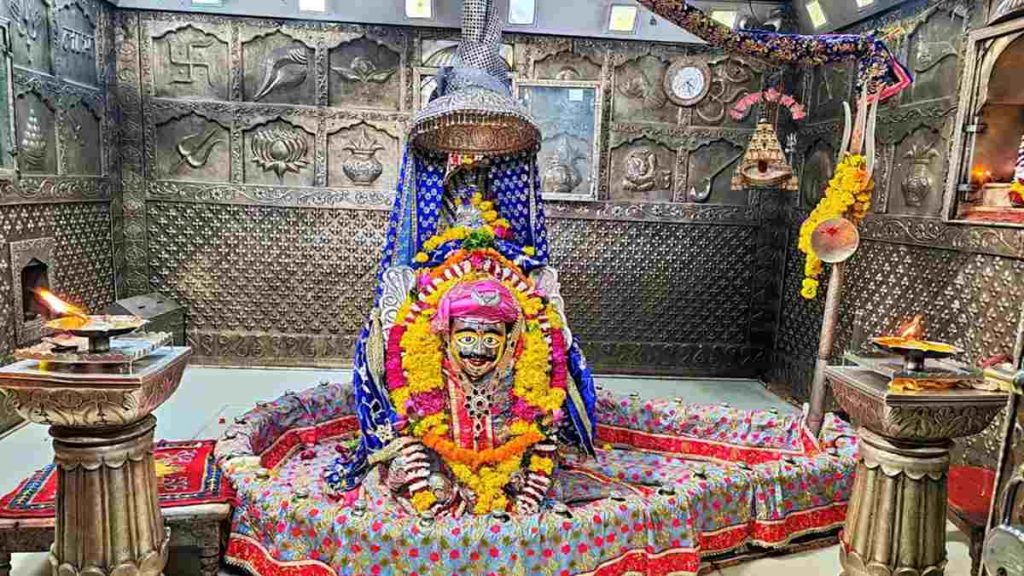
Mahakaleshwar-Jyotirlinga
Mahakaleshwar is the only south-facing Jyotirlinga, symbolizing Shiva as Mahakaal, the Lord of Time and Death. The famous Bhasma Aarti reflects the transient nature of life.
4. Omkareshwar Jyotirlinga

Omkareshwar-Jyotirlinga
Situated on an island shaped like the sacred Om, Omkareshwar represents cosmic harmony and the unity of creation.
5. Kedarnath Jyotirlinga
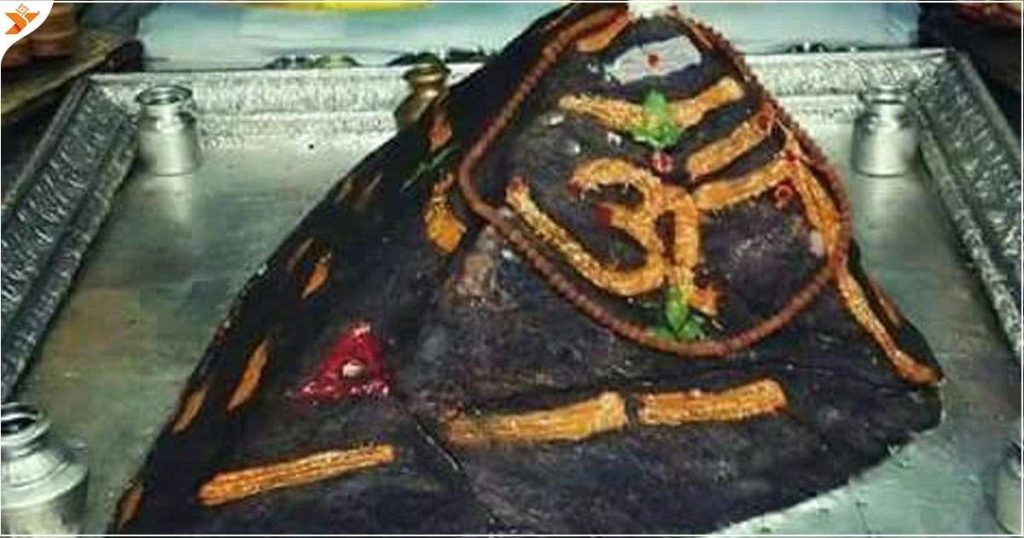
Kedarnath-Jyotirlinga
Nestled in the Himalayas, Kedarnath symbolizes renunciation, endurance, and divine grace. It is closely associated with the Pandavas of the Mahabharata.
6. Bhimashankar Jyotirlinga
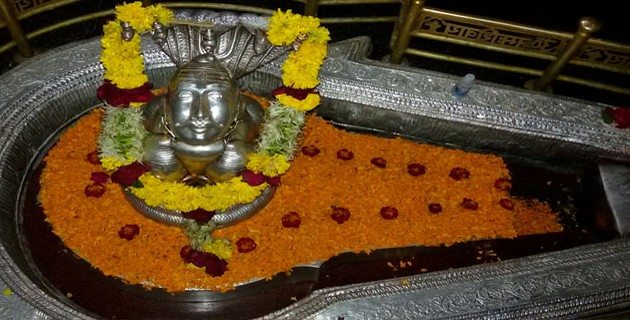
Bhimashankar-Jyotirlinga
This Jyotirlinga marks Shiva’s victory over the demon Bhima and represents the protection of righteousness (dharma).
7. Kashi Vishwanath Jyotirlinga
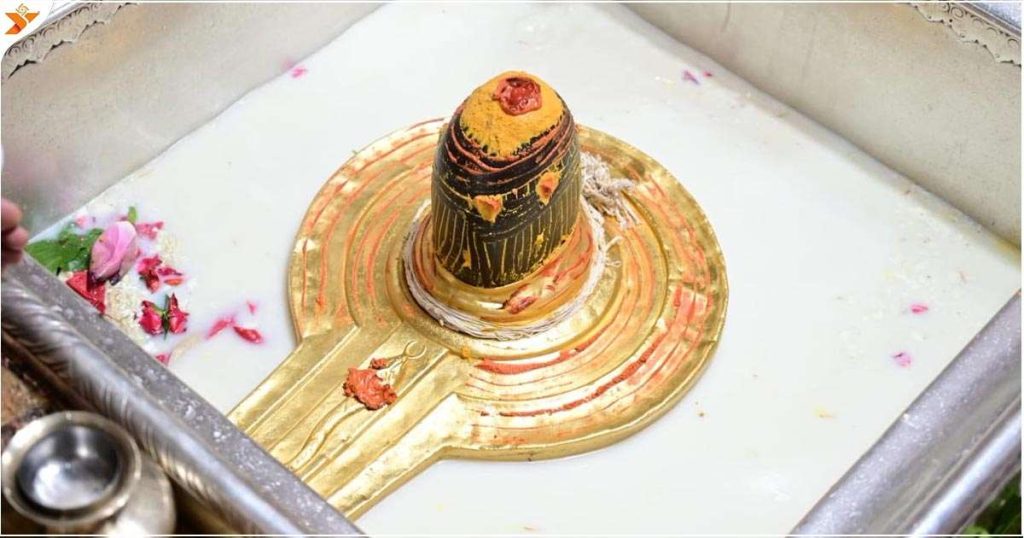
Kashi-Vishwanath-Jyotirlinga
Kashi Vishwanath is believed to grant moksha. It is said that Lord Shiva himself whispers the Taraka Mantra to devotees who attain death in Kashi.
8. Trimbakeshwar Jyotirlinga
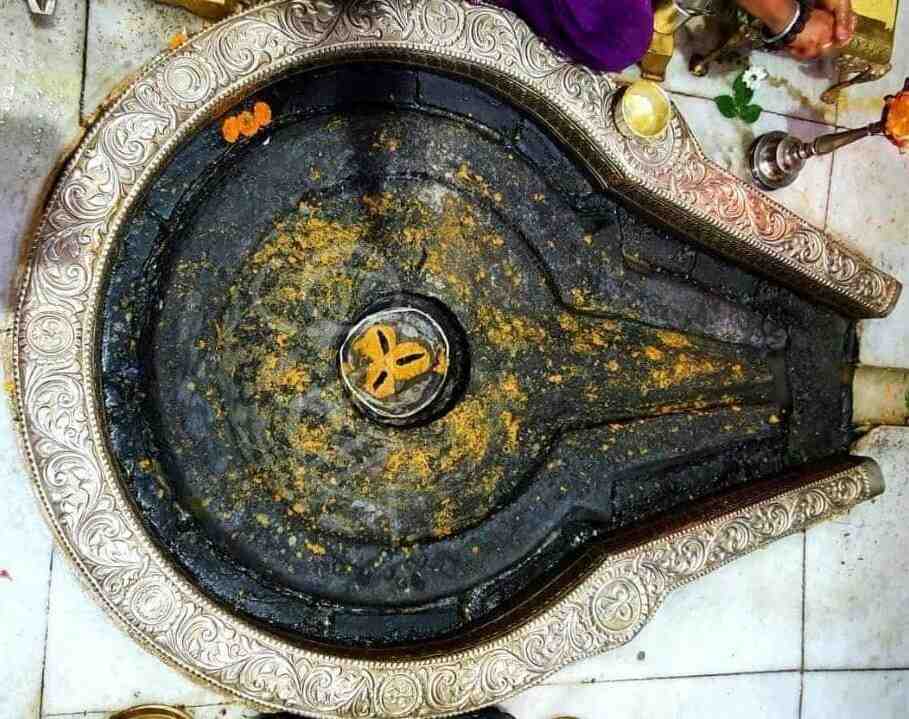
Trimbakeshwar-Jyotirlinga
This temple houses a rare three-faced linga, symbolizing Brahma, Vishnu, and Shiva, and marks the origin of the sacred Godavari River.
9. Vaidyanath Jyotirlinga
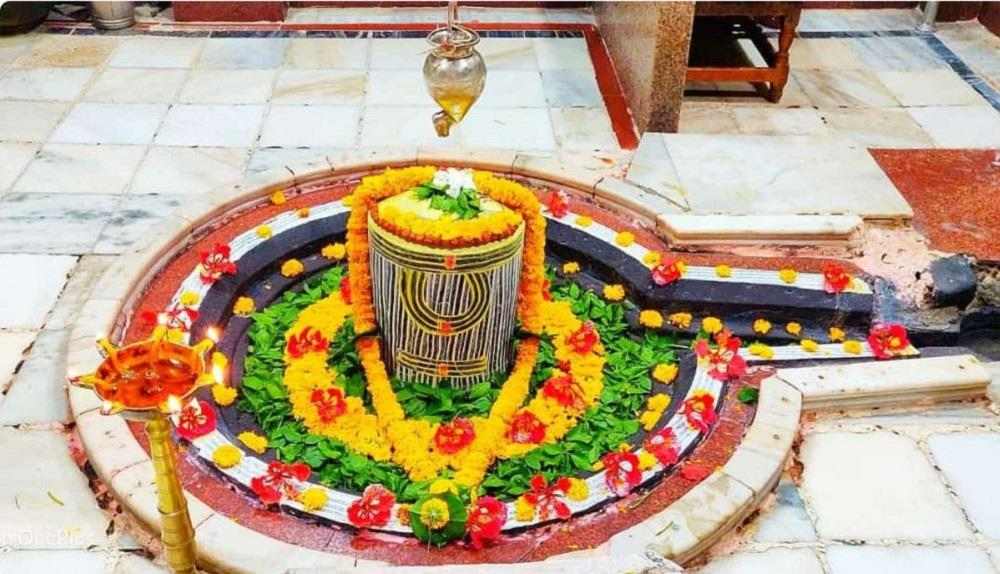
Vaidyanath-Jyotirlinga
Known as the Healer Jyotirlinga, Vaidyanath is worshipped for relief from physical and mental ailments.
10. Nageshwar Jyotirlinga
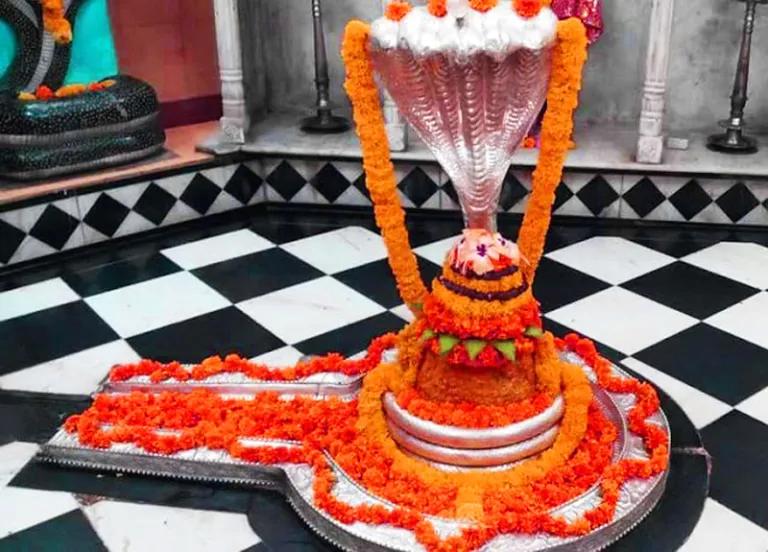
Nageshwar-Jyotirlinga
Nageshwar represents Shiva as the protector who removes fear, poison, and negative energies from devotees’ lives.
11. Ramanathaswamy Jyotirlinga

Ramanathaswamy-Jyotirlinga
Worshipped by Lord Rama, this Jyotirlinga signifies devotion, repentance, and purification through sacred theerthams.
12. Grishneshwar Jyotirlinga
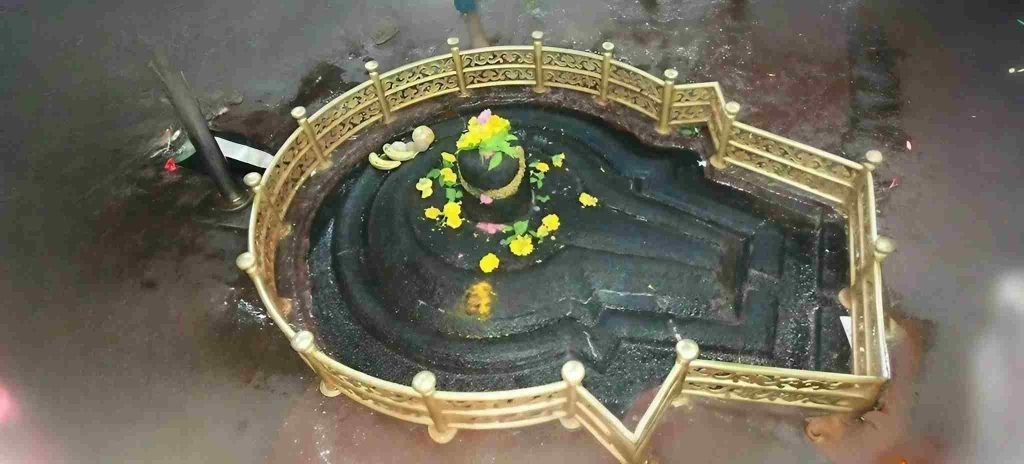
Grishneshwar-Jyotirlinga
The final Jyotirlinga emphasizes compassion and devotion, teaching that sincere faith earns divine grace regardless of status.
Locations of the 12 Jyotirlingas in India
Jyotirlinga |
Location |
State |
Somnath |
Prabhas Patan |
Gujarat |
Mallikarjuna |
Srisailam |
Andhra Pradesh |
Mahakaleshwar |
Ujjain |
Madhya Pradesh |
Omkareshwar |
Mandhata Island |
Madhya Pradesh |
Kedarnath |
Kedarnath |
Uttarakhand |
Bhimashankar |
Bhorgiri |
Maharashtra |
Kashi Vishwanath |
Varanasi |
Uttar Pradesh |
Trimbakeshwar |
Trimbak |
Maharashtra |
Vaidyanath |
Deoghar |
Jharkhand |
Nageshwar |
Near Dwarka |
Gujarat |
Ramanathaswamy |
Rameswaram |
Tamil Nadu |
Grishneshwar |
Ellora |
Maharashtra |
Spiritual Importance of Visiting the 12 Jyotirlingas
- Removes accumulated karmic burdens
- Brings inner peace and mental clarity
- Strengthens spiritual discipline
- Guides the soul toward moksha
Each Jyotirlinga represents a unique aspect of Shiva, making the pilgrimage a complete spiritual journey.
Frequently Asked Questions (FAQs)
How many Jyotirlingas are there in India?
There are 12 Jyotirlingas spread across India.
Which is the first Jyotirlinga?
Somnath Jyotirlinga in Gujarat.
Which Jyotirlinga grants moksha?
Kashi Vishwanath Jyotirlinga in Varanasi.
Which Jyotirlinga is south-facing?
Mahakaleshwar Jyotirlinga in Ujjain.
Is it necessary to visit all 12 Jyotirlingas?
Not mandatory, but completing the yatra is considered highly auspicious.
Conclusion
The 12 Jyotirlingas of Lord Shiva are not merely temples—they are living symbols of divine light, faith, and spiritual wisdom. From the shores of Somnath to the snow-covered heights of Kedarnath, these sacred shrines continue to guide millions on the path of devotion and liberation. Visiting them is a journey through the spiritual soul of India and a timeless expression of Shiva bhakti.
Leave A Comment