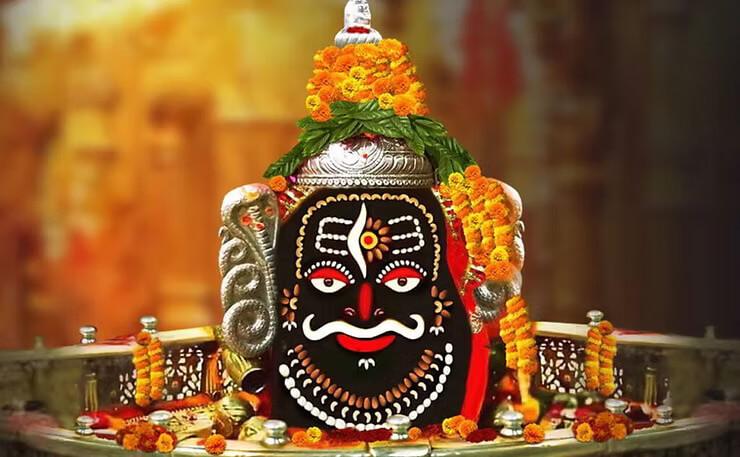
The Mahakaleshwar Jyotirlinga at Ujjain is one of the most revered shrines of Lord Shiva and holds a unique place among the 12 Jyotirlingas of India. Worshipped as Mahakaal—the Lord of Time and Death—Mahakaleshwar is the only south-facing (Dakshinamukhi) Jyotirlinga, symbolizing Shiva’s supreme authority over time, destiny, and mortality.
Located on the banks of the sacred Shipra River, Mahakaleshwar has been a powerful center of Shaivite worship for centuries. Devotees believe that a sincere darshan here protects one from untimely death, fear, and karmic suffering, guiding the soul toward liberation.
What Makes Mahakaleshwar Jyotirlinga Unique?
Mahakaleshwar stands apart from all other Jyotirlingas due to several distinctive features:
- It is the only south-facing Jyotirlinga
- The Shiva Linga is believed to be Swayambhu (self-manifested)
- Lord Shiva is worshipped here as Mahakaal, the controller of time
- The temple is famous for the daily Bhasma Aarti, a ritual not seen anywhere else in this form
At Mahakaleshwar, Shiva is not only the destroyer of evil but also the eternal force that governs time itself.
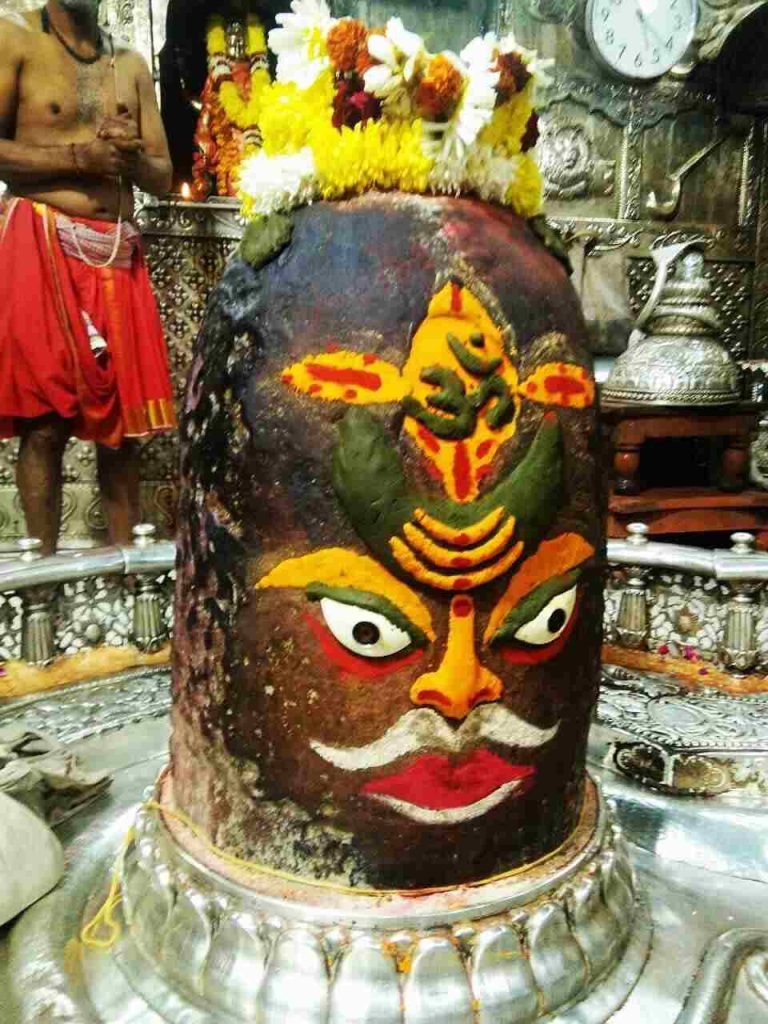
Mahakaleshwar Jyotirlinga
Location of Mahakaleshwar Jyotirlinga
Mahakaleshwar Jyotirlinga
- City: Ujjain
- State: Madhya Pradesh
- River: Shipra
- Nearest Airport: Indore (approx. 55 km)
- Nearest Railway Station: Ujjain Junction
Ujjain is also one of the Sapta Puris (seven sacred cities of Hinduism) and a major venue of the Kumbh Mela.
Mythological Significance of Mahakaleshwar
According to ancient legends, Ujjain was once threatened by powerful demons. When the devotees prayed for protection, Lord Shiva manifested as Mahakaal, destroying the evil forces and establishing himself permanently in the city.
Another belief states that worshipping Mahakaleshwar helps devotees overcome fear of death and planetary afflictions, especially those related to Rahu and Ketu. Thus, Mahakaleshwar represents Shiva in his most protective and time-transcending form.
Architecture of Mahakaleshwar Temple
The Mahakaleshwar Temple showcases a blend of Maratha, Bhumija, and Chalukyan architectural styles.
Key architectural features include:
- A five-storey structure
- The main sanctum located below ground level
- The Mahakaleshwar Linga installed in the lower sanctum
- A shrine of Omkareshwar on the upper floor
- Intricately carved pillars and silver-plated doors
The underground sanctum adds a mystical and deeply spiritual atmosphere to the temple.
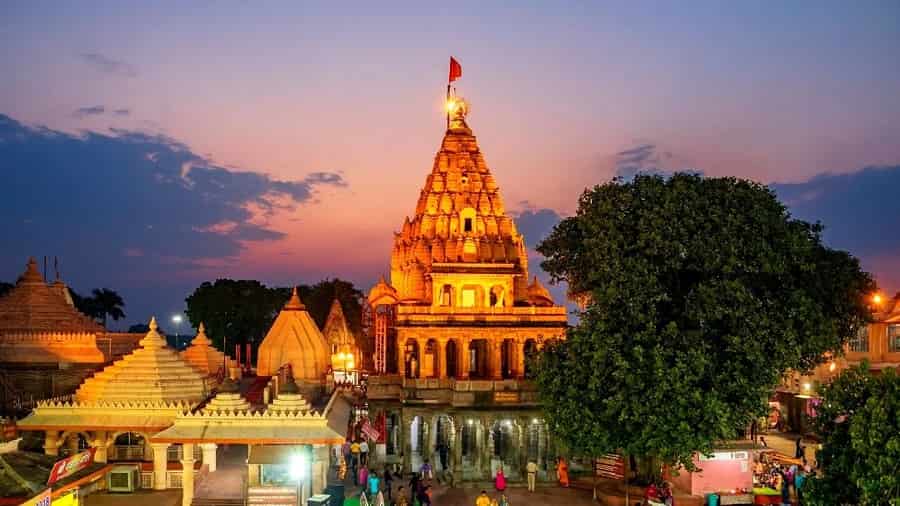
Mahakaleshwar Temple History
Bhasma Aarti – The Sacred Morning Ritual
The Bhasma Aarti is the most famous and spiritually intense ritual at Mahakaleshwar.
What is Bhasma Aarti?
- The Shiva Linga is worshipped using sacred ash (bhasma)
- Ash symbolizes renunciation, impermanence, and ultimate truth
- It reminds devotees that worldly attachments are temporary
Why is it special?
- Performed daily before sunrise
- Unique to Mahakaleshwar Temple
- Requires advance booking and adherence to dress code
Witnessing the Bhasma Aarti is considered a rare and life-changing spiritual experience.
Bhasma Aarti Ticket Prices
- Normal Ticket – ₹100
Allows general entry to witness the Bhasma Aarti along with other devotees. - VIP Ticket – ₹200
Offers priority access, helps skip long queues, and provides a clear front view of the ritual for a more comfortable and immersive experience.
VIP tickets are ideal for devotees who wish to avoid waiting time and experience the Bhasma Aarti peacefully with better visibility.
Spiritual Importance of Mahakaleshwar Jyotirlinga
Devotees believe that worship at Mahakaleshwar:
- Protects from untimely death
- Removes fear, anxiety, and negative energies
- Reduces karmic and planetary doshas
- Brings mental peace and spiritual clarity
- Leads the seeker closer to moksha
Mahakaleshwar is especially revered by those facing uncertainty, fear, or major life transitions.
Best Time to Visit Mahakaleshwar Temple
- October to March: Ideal weather for pilgrimage
- Maha Shivaratri: Most auspicious (heavy crowds)
- Shravan Month: Highly sacred period for Shiva worship
- Kumbh Mela: Exceptional spiritual significance
Early morning darshan offers a calmer and more focused experience.
Mahakaleshwar Temple Timings (General)
- Temple Opens: Early morning
- Bhasma Aarti: Around 4:00 AM
- Regular Darshan: Throughout the day
- Evening Aarti: After sunset
(Timings may vary on festivals and special occasions)
For more details visit: https://shrimahakaleshwar.com/
Frequently Asked Questions (FAQs)
Is Mahakaleshwar a Jyotirlinga?
Yes, Mahakaleshwar is one of the 12 sacred Jyotirlingas of Lord Shiva.
Why is Mahakaleshwar south-facing?
It represents Shiva as Mahakaal, the supreme controller of time and death.
Is the Mahakaleshwar Linga self-manifested?
Yes, it is believed to be Swayambhu (self-manifested).
What is the significance of Bhasma Aarti?
Bhasma Aarti symbolizes detachment, truth, and the impermanence of life.
Can women attend Bhasma Aarti?
Yes, women can attend, subject to temple rules and prescribed dress code.
Which river flows near the temple?
The sacred Shipra River flows close to the temple.
Conclusion
The Mahakaleshwar Jyotirlinga is not just a pilgrimage site—it is a profound spiritual destination that confronts the realities of time, death, and liberation. As the only south-facing Jyotirlinga, Mahakaleshwar reminds devotees that surrender to Shiva transcends fear and leads to eternal peace.
A visit to Mahakaleshwar is truly a journey into faith, humility, and timeless truth.

Leave A Comment