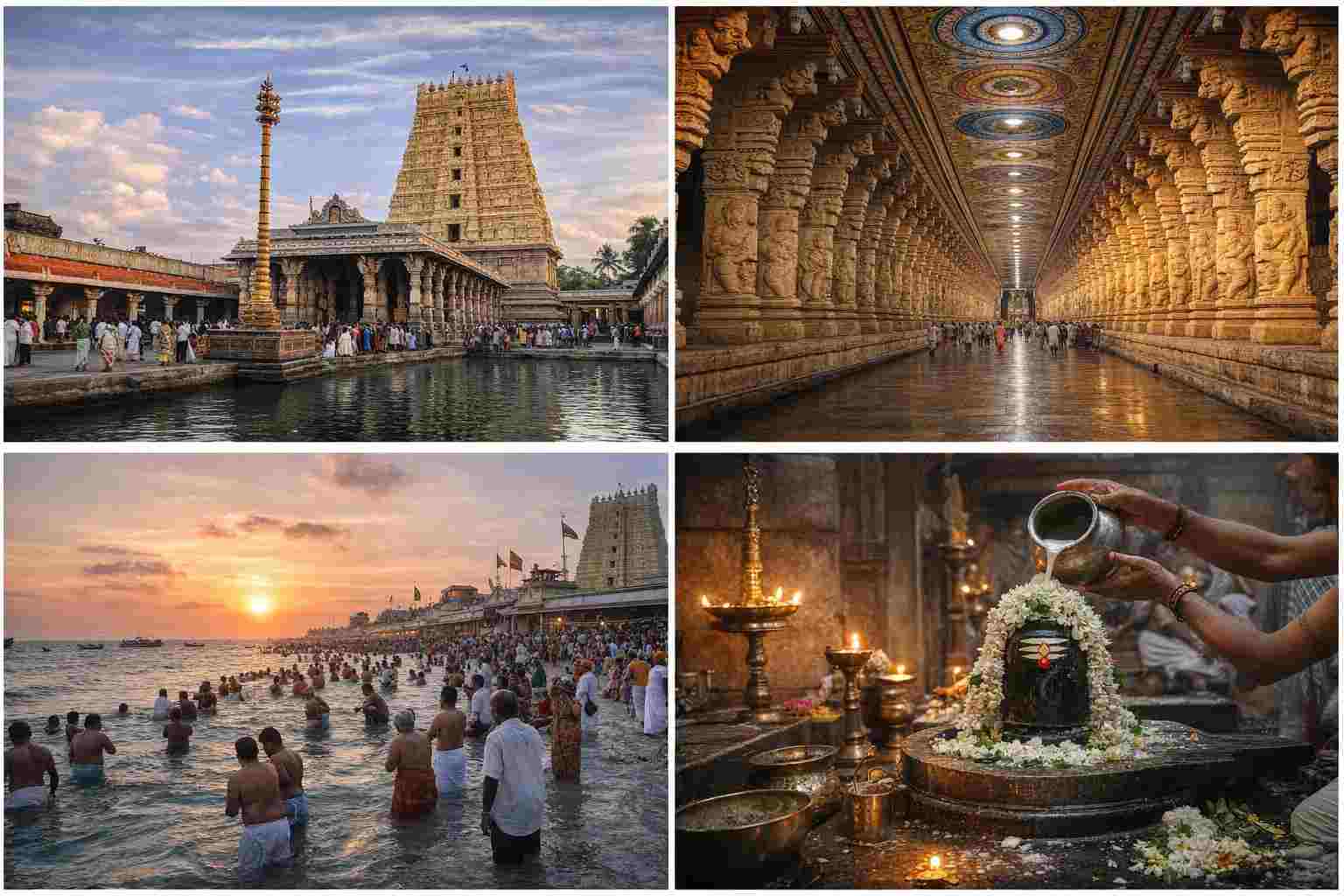
The Rameshwaram Jyotirlinga, housed within the grand Ramanathaswamy Temple, stands among the twelve holiest Jyotirlingas of Lord Shiva. Located on the tranquil island town of Rameshwaram, this shrine holds a rare place in Hindu spirituality because it unites Shaivism and Vaishnavism. Here, devotees worship Shiva as Ramanathaswamy—the Lord revered by Lord Rama himself.
More than a destination, Rameshwaram offers a transformative experience. Pilgrims arrive seeking forgiveness, clarity, and inner peace—and many leave with renewed faith.
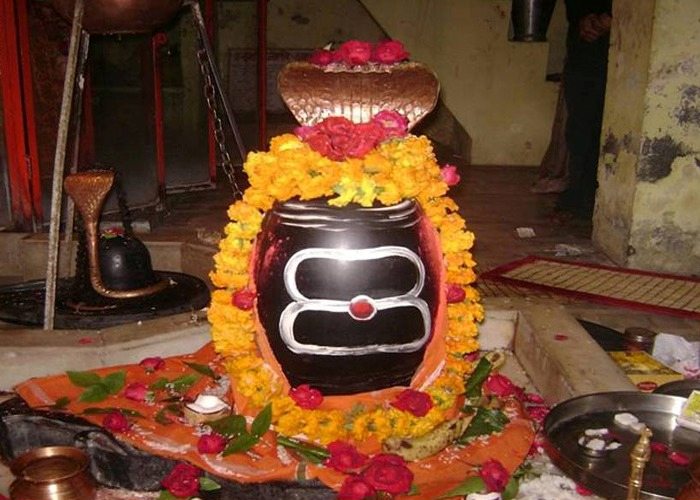
Rameshwaram Jyotirlinga – the holy Shiva Lingam worshipped by Lord Rama at Ramanathaswamy Temple
Spiritual Meaning and Mythological Roots
Rameshwaram draws its deepest significance from the Ramayana. After defeating Ravana and rescuing Sita, Lord Rama chose to worship Shiva to atone for the sin of killing a Brahmin. To begin this sacred act, Rama asked Hanuman to bring a Lingam from Mount Kailasa.
However, when Hanuman faced a delay, Sita shaped a Lingam from sand. Rama worshipped this Ramalingam with devotion. Later, Shiva blessed both Lingams and declared the sand Lingam as the primary deity. As a result, Rameshwaram became the only Jyotirlinga directly linked to Lord Rama. Consequently, the shrine symbolizes humility, penance, and reconciliation.
Ramanathaswamy Temple: Architecture That Inspires Awe
The Ramanathaswamy Temple showcases classical Dravidian architecture at its finest. Most notably, it features the longest temple corridors in the world. These corridors contain more than a thousand massive stone pillars arranged in perfect symmetry. As devotees walk through them, the rhythmic alignment naturally invites calm reflection.
In addition to the corridors, the temple complex includes:
- The Garbhagriha, which houses the sacred Jyotirlinga
- Towering gopurams decorated with traditional sculptures
- Shrines dedicated to Parvathavardhini (Parvati), Vishnu, and other deities
Together, these elements create a sacred space that balances artistic brilliance with spiritual discipline.
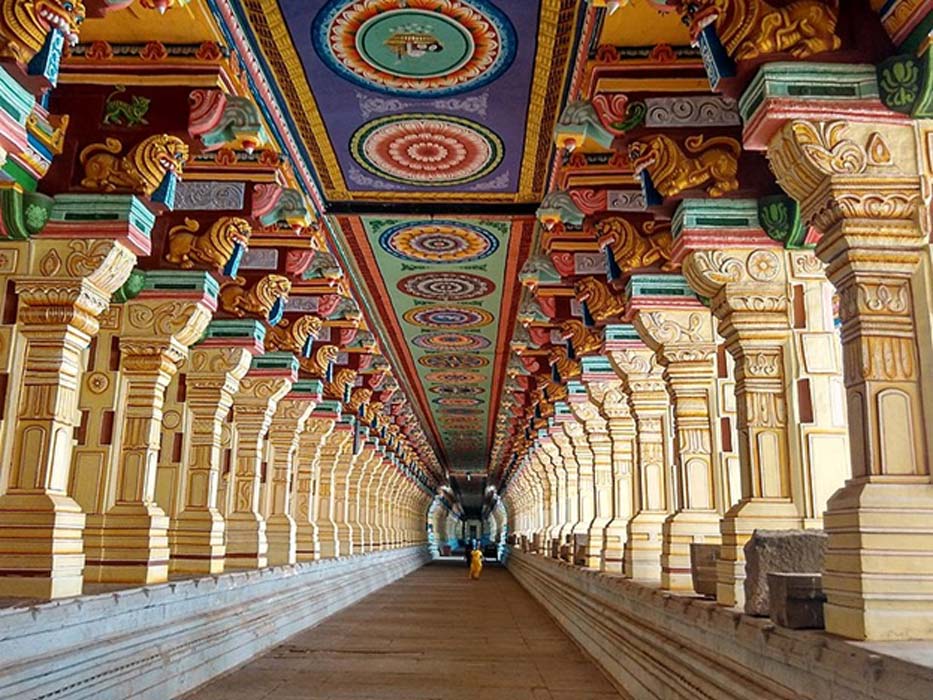
Majestic Dravidian architecture of Ramanathaswamy Temple, Rameshwaram
The Sacred Theerthams: Waters of Purification
Rameshwaram stands apart because of its 22 sacred theerthams (holy water bodies). Pilgrims traditionally bathe in these waters before darshan, as the ritual represents cleansing of sins and renewal of the soul.
Among them, Agni Theertham, located along the seashore, holds special importance. Devotees usually begin their pilgrimage here before entering the temple. Step by step, each theertham reinforces the idea that spiritual progress requires both intention and action.

Sacred theerthams of Rameshwaram – holy water wells believed to purify body and soul
Top 10 Things to Know About Rameshwaram Jyotirlinga
- It is the only Jyotirlinga worshipped by Lord Rama, linking Shaivism and Vaishnavism.
- The shrine emphasizes penance and humility, not victory or power.
- The main Lingam, called Ramalingam, was made of sand by Sita.
- The temple features the world’s longest pillared corridors.
- 22 sacred theerthams form an essential part of the pilgrimage.
- Pilgrims usually bathe at Agni Theertham before temple entry.
- Rameshwaram is one of the Char Dham pilgrimage sites.
- The temple sits on an island surrounded by the sea.
- Priests follow strict Shaivite rituals throughout the day.
- Many believe visiting Rameshwaram after Kashi completes a spiritual journey.
Rituals, Darshan, and Daily Worship
The temple follows a disciplined daily schedule rooted in ancient Shaivite traditions. Each ritual encourages focus and reverence.
Key rituals include:
- Mangala Aarti at dawn
- Abhishekam using water, milk, and sacred offerings
- Uchikala Puja at midday
- Sayaraksha Puja in the evening
- Arthajama Puja at night
Through these rituals, devotees actively participate in worship rather than observing from afar. As a result, many experience deep mental calm and spiritual clarity.
How to Reach Rameshwaram Jyotirlinga
Reaching Rameshwaram is straightforward and scenic.
- By Air: Madurai Airport lies about 170 km away. From there, buses and taxis operate regularly.
- By Train: Rameshwaram Railway Station connects the island to major Tamil Nadu cities.
- By Road: The iconic Pamban Bridge links Rameshwaram to the mainland, offering breathtaking views.
Best Time to Visit
Rameshwaram welcomes pilgrims throughout the year. However, October to March offers the most pleasant weather. Festivals such as Mahashivratri, Ram Navami, and Shravan Maas attract large crowds and heightened devotion. Early mornings on non-festival days suit those seeking quieter darshan.
Is it compulsory to visit rameshwaram after kashi
No, it is not compulsory to visit Rameshwaram after visiting Kashi Vishwanath Temple.
In Hindu belief, Kashi (Varanasi) and Rameshwaram are both highly sacred, but there is no religious rule or scripture that mandates visiting Rameshwaram immediately after Kashi.
That idea mainly comes from spiritual tradition and symbolism, not obligation.
FAQs About Rameshwaram Jyotirlinga
1. Why is Rameshwaram Jyotirlinga special?
It is the only Jyotirlinga worshipped by Lord Rama.
2. How many theerthams are there?
There are 22 sacred theerthams.
3. Is bathing compulsory?
No, but tradition strongly recommends it.
4. What name is Lord Shiva worshipped by here?
He is worshipped as Ramanathaswamy.
5. Is there a dress code?
Yes. Modest and traditional attire is advised.
Conclusion
The Rameshwaram Jyotirlinga represents far more than a sacred shrine. It stands as a spiritual bridge between devotion and duty, between Shiva and Rama, and between repentance and liberation. Through its powerful mythology, sacred waters, and architectural grandeur, Rameshwaram continues to guide millions toward humility, purification, and inner awakening.
A pilgrimage to Rameshwaram is not just a journey across land and sea—it is a journey inward, toward faith, forgiveness, and spiritual balance.
Har Har Mahadev.

Leave A Comment