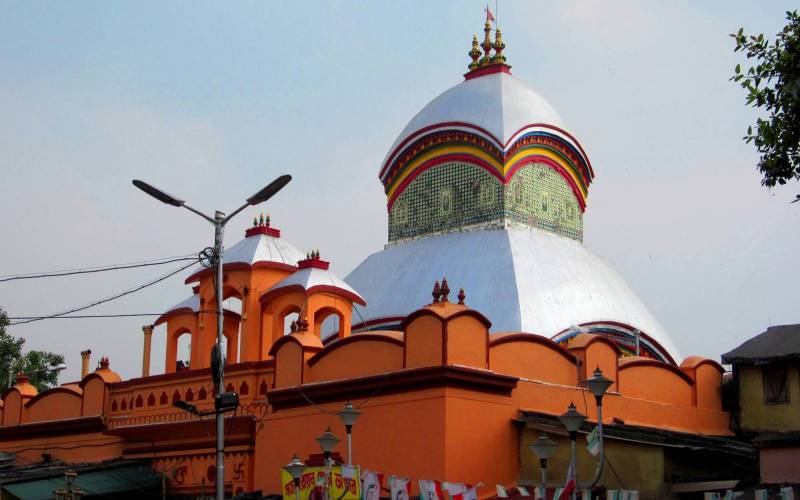
Kalighat Temple is one of the oldest and most spiritually powerful shrines in India. Situated in the heart of Kolkata, West Bengal, the temple is dedicated to Goddess Kali, the fierce yet compassionate embodiment of Shakti. Unlike many temples known only for architecture, Kalighat is known primarily for its intense devotional energy and centuries-old living traditions.
For devotees, Kalighat is not just a destination. Instead, it is a place where faith, fearlessness, and surrender come together.
Why Kalighat Temple Is Spiritually Important
Kalighat is revered as a Shakti Peetha, a sacred site associated with Goddess Sati. According to belief, a part of Sati’s body fell here, making the ground itself spiritually charged. Devotees believe that sincere prayers offered at this shrine bring swift divine response.
More importantly, Kalighat symbolizes transformation. People visit the temple seeking relief from fear, protection from negativity, and strength to face life’s challenges.
Origin and Sacred Legends
Ancient Hindu tradition links Kalighat to the story of Sati and Lord Shiva. After Sati gave up her mortal form, Shiva wandered in grief carrying her body. To restore cosmic balance, Lord Vishnu divided the body, and each location where a part fell became sacred.
Kalighat emerged as one of the most powerful of these locations. Here, Goddess Kali took form as the presiding deity, while Lord Shiva is worshipped as Nakuleshwar Bhairava, the guardian of the shrine.
The Distinct Form of Goddess Kali at Kalighat
The idol of Goddess Kali at Kalighat is unique and instantly recognizable. Unlike sculpted stone idols, the image here is crafted using sacred materials and symbolic elements. The deity has:
- Large expressive eyes
- A protruding golden tongue
- A commanding yet protective appearance
Devotees believe this form represents the living presence of the Goddess rather than a symbolic statue.
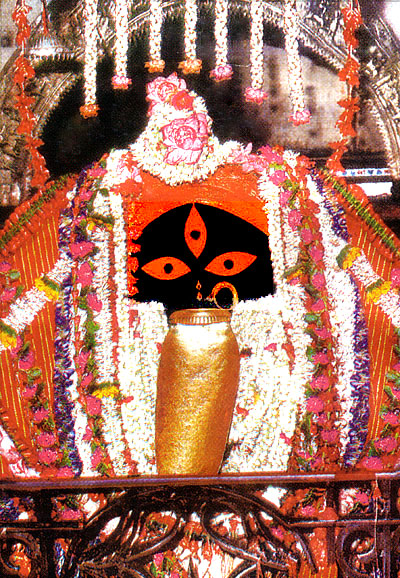
The powerful manifestation of Goddess Kali worshipped at the revered Kalighat Temple in Kolkata.
Temple Structure and Surroundings
Although Kalighat Temple does not display grand architectural complexity, its spiritual atmosphere remains unmatched. The current temple structure dates back to the early 1800s, yet worship at this site predates recorded history.
The temple stands close to the ancient course of the Adi Ganga. Several smaller shrines, ritual spaces, and priest quarters surround the main sanctum, creating a tightly knit sacred complex.
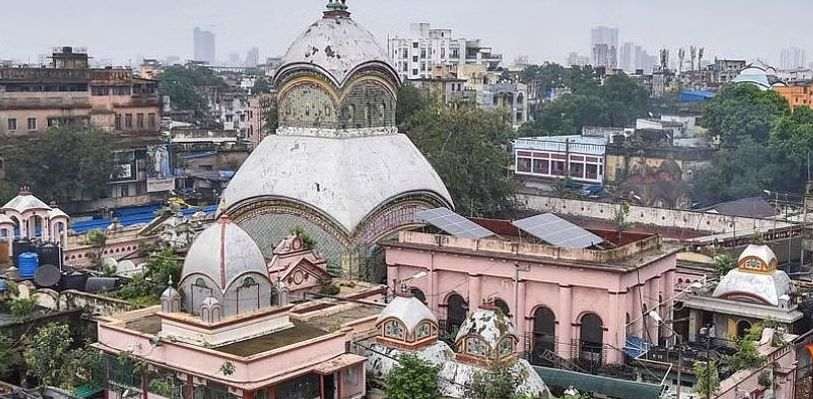
Aerial view of Kalighat Kali Temple complex in Kolkata showcasing the iconic white domes and surrounding buildings
Worship Rituals and Daily Practices
Kalighat follows traditional Shakta worship practices. Priests perform rituals multiple times a day, beginning early in the morning. Devotees commonly offer:
- Red hibiscus flowers
- Sweets and fruits
- Lamps and symbolic offerings
While animal sacrifice was once part of ritual tradition, symbolic offerings are now more widely practiced. The emphasis today rests on devotion, intention, and prayer.
Festivals That Transform Kalighat
Kalighat becomes especially vibrant during major festivals. Kali Puja draws the largest number of devotees, filling the temple area with lamps, chants, and rituals. Durga Puja, Diwali, and the Bengali New Year also attract large crowds.
During these times, the temple reflects the collective devotion of thousands who gather to seek blessings and express gratitude.
Best Time to Visit Kalighat Temple
Kalighat remains open throughout the year. However, the most comfortable months to visit are October to March, when Kolkata’s weather is relatively mild.
Early morning visits offer a calmer atmosphere. Evening hours, especially during aarti, provide a deeply devotional experience. Festival days are spiritually powerful but extremely crowded.
How to Reach Kalighat Temple
Kalighat Temple is well connected to all parts of Kolkata:
- By Air: Netaji Subhas Chandra Bose International Airport
- By Train: Howrah and Sealdah stations
- By Metro: Kalighat Metro Station
- By Road: Easily accessible by taxis, buses, and autos
FAQs About Kalighat Temple
Is Kalighat one of the 51 Shakti Peethas?
Yes, Kalighat is counted among the most significant Shakti Peethas in India.
Which deity is worshipped here?
Goddess Kali is the main deity, while Lord Shiva is worshipped as Nakuleshwar Bhairava.
What offerings are commonly made?
Devotees usually offer red flowers, sweets, lamps, and fruits.
Is photography allowed inside the temple?
Photography inside the sanctum is generally restricted.
Which festival is most important at Kalighat?
Kali Puja is the most significant festival celebrated here.
Final Thoughts
Kalighat Temple stands as a powerful reminder of India’s living spiritual traditions. Beyond rituals and legends, the temple represents inner strength, protection, and transformation. For devotees, a visit to Kalighat is not merely a religious act—it is an emotional and spiritual experience that leaves a lasting impression.

Leave A Comment