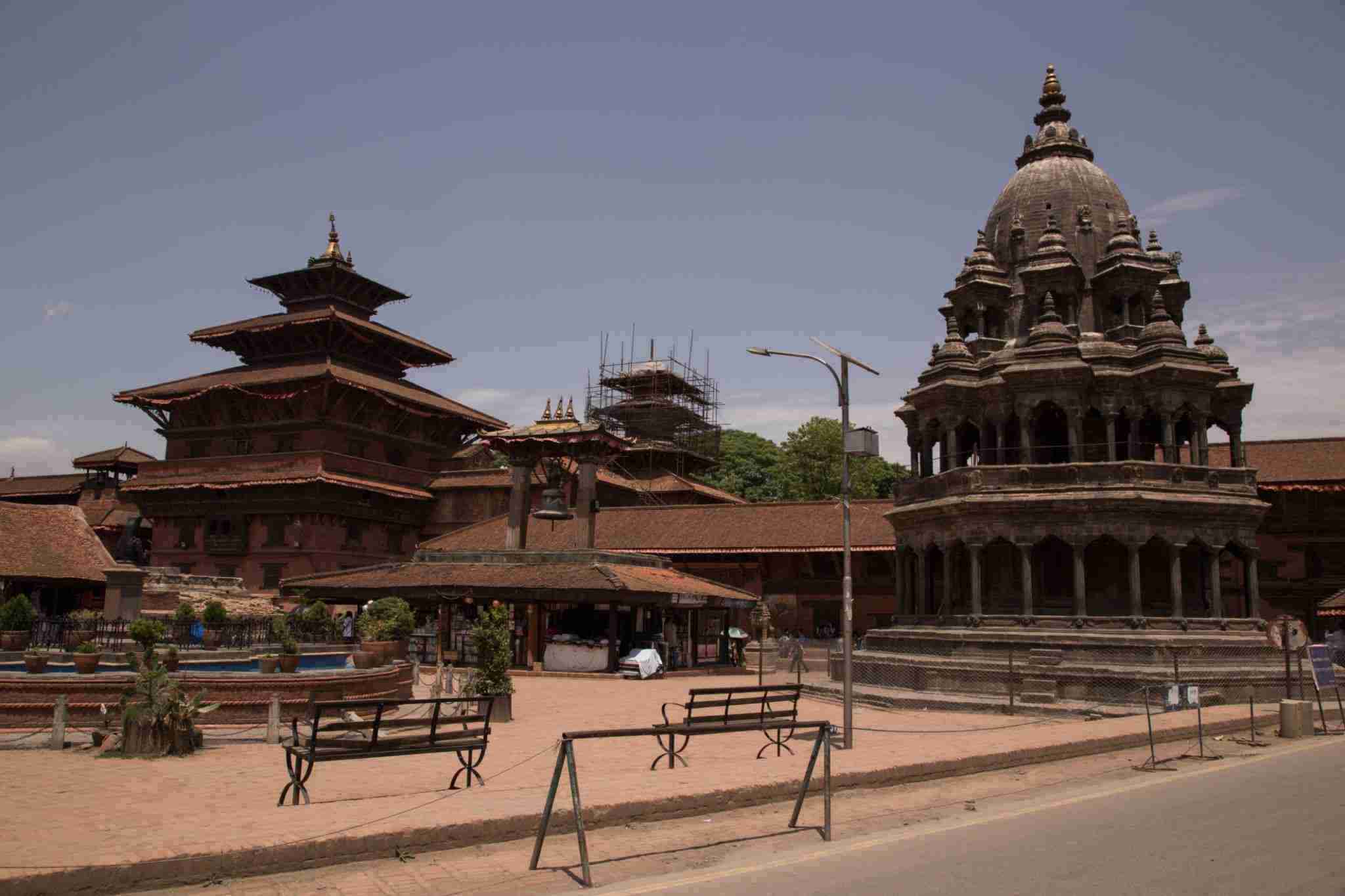
Located on the banks of the holy Bagmati River in Kathmandu, Nepal, Guhyeshwari Shaktipeeth Temple is one of the most powerful and spiritually significant shrines dedicated to Goddess Shakti. Just a short distance from the famous Pashupatinath Temple, this temple holds immense importance in Hindu mythology and Tantric traditions.
Revered as one of the 51 Shakti Peethas, Guhyeshwari is a sacred site where divine feminine energy is believed to radiate in its purest and most mysterious form.
Mythological Significance of Guhyeshwari Shaktipeeth
According to ancient Hindu scriptures, when Goddess Sati immolated herself at her father Daksha’s yagna, Lord Shiva carried her body in grief. To restore cosmic balance, Lord Vishnu used his Sudarshana Chakra to dismember her body, and the parts fell at different locations across the Indian subcontinent. These sacred sites became known as Shakti Peethas.
At Guhyeshwari, it is widely believed that Sati’s “guhya” (secret or hidden part) fell, which gives the temple its name:
- Guhya – Secret / Hidden
- Ishwari – Goddess
Thus, Guhyeshwari means “The Goddess of Divine Secrets.”
This association makes the temple deeply connected with Tantric worship and esoteric spiritual practices.
Temple Architecture & Unique Features
The temple showcases classic Nepalese pagoda-style architecture, reflecting traditional craftsmanship and spiritual symbolism.
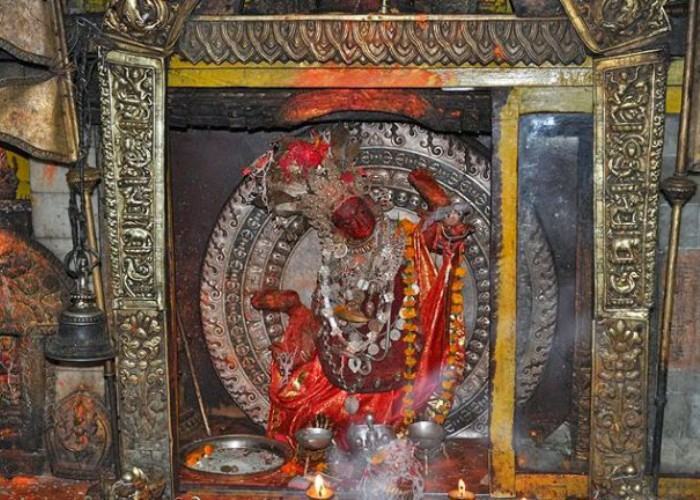
Unlike many temples that house an idol, the sanctum of Guhyeshwari contains:
- A sacred yoni-shaped structure
- A kalasha (holy vessel) symbolizing divine feminine energy
- A natural water spring beneath the sanctum
The temple structure is believed to have been renovated in the 17th century during the reign of King Pratap Malla, preserving its ancient spiritual importance.
The serene surroundings of the Bagmati River enhance the temple’s sacred ambiance, making it a powerful spiritual destination for devotees.
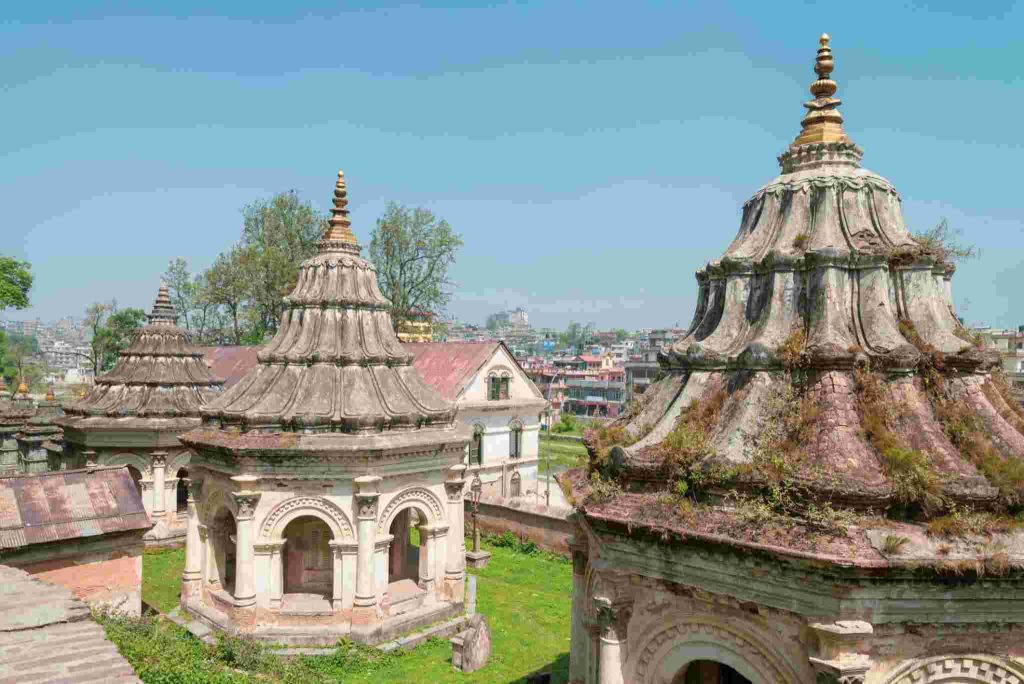
Spiritual Importance & Tantric Connection
Guhyeshwari Temple is especially revered among:
- Tantric practitioners
- Devotees of Goddess Kali and Durga
- Pilgrims visiting Pashupatinath
The temple plays a crucial role in Tantric rituals and is considered a Shakti energy center. Many devotees believe that worship here:
- Removes negative energies
- Grants spiritual awakening
- Brings marital harmony and prosperity
- Fulfills deep spiritual desires
During major Hindu festivals like Navaratri, Dashain, and Mahashivratri, thousands of devotees visit the temple seeking divine blessings.
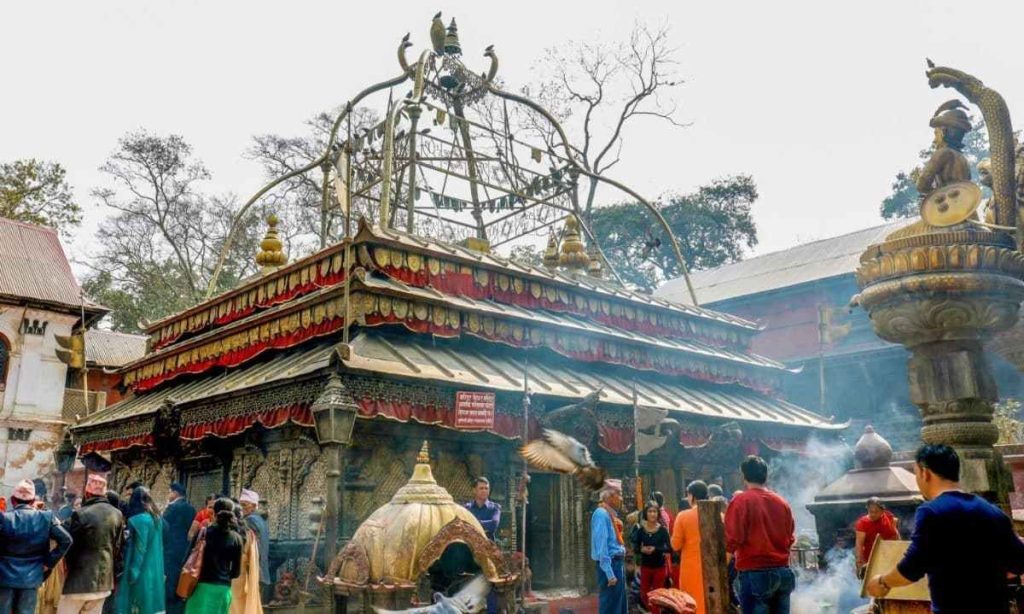
Location & How to Reach
- City: Kathmandu
- Country: Nepal
- Situated about 1 km east of Pashupatinath Temple
- Easily accessible by taxi or local transport
- Close to Tribhuvan International Airport
Pilgrims often visit both Pashupatinath Temple and Guhyeshwari Temple on the same day.
Best Time to Visit
- Early morning for peaceful darshan
- During Navaratri for grand celebrations
- Dashain festival (major Nepali Hindu festival)
Visitors are advised to wear modest clothing and follow temple customs. Entry to the inner sanctum may be restricted to Hindus.
Why Guhyeshwari Shaktipeeth Is Spiritually Powerful
Guhyeshwari is not just a temple — it is a symbol of cosmic feminine power. Its connection to Goddess Sati and Tantric traditions makes it one of the most mysterious and sacred Shakti Peethas in South Asia.
For spiritual seekers, this temple represents:
- Inner awakening
- Divine feminine wisdom
- Mystical transformation
- Sacred union of Shiva and Shakti
The temple continues to be a living center of devotion, tradition, and spiritual energy.
Pashupatinath Temple to Guhyeshwari Temple Distance
Guhyeshwari Temple lies approximately 1 km east of Pashupati Kshetra and is situated on the southern bank of the holy Bagmati River.
Frequently Asked Questions (FAQs)
1. Why is Guhyeshwari Temple called a Shaktipeeth?
It is believed to be the sacred place where a part of Goddess Sati’s body fell, making it one of the 51 Shakti Peethas.
2. Where is Guhyeshwari Shaktipeeth located?
It is located in Kathmandu, Nepal, near Pashupatinath Temple on the banks of the Bagmati River.
3. What body part of Sati fell at Guhyeshwari?
Traditions commonly state that Sati’s “guhya” (secret part) fell here, symbolizing hidden divine feminine energy.
4. Can non-Hindus visit Guhyeshwari Temple?
Non-Hindus may have limited access, especially to the inner sanctum, depending on temple regulations.
5. What is the best time to visit Guhyeshwari Temple?
Early mornings and during festivals like Navaratri and Dashain are considered the most auspicious times.
6. Is Guhyeshwari connected to Pashupatinath Temple?
Yes, the temple is located very close to Pashupatinath and is spiritually associated with it.
Final Thoughts
The Guhyeshwari Shaktipeeth Temple in Kathmandu stands as a profound symbol of divine feminine energy and sacred mystery. Its mythological roots, Tantric traditions, and powerful spiritual aura make it a must-visit pilgrimage site for devotees and seekers alike.
Whether you are on a spiritual journey or exploring Nepal’s cultural heritage, Guhyeshwari offers a deeply transformative experience that resonates with devotion and mysticism.

Leave A Comment