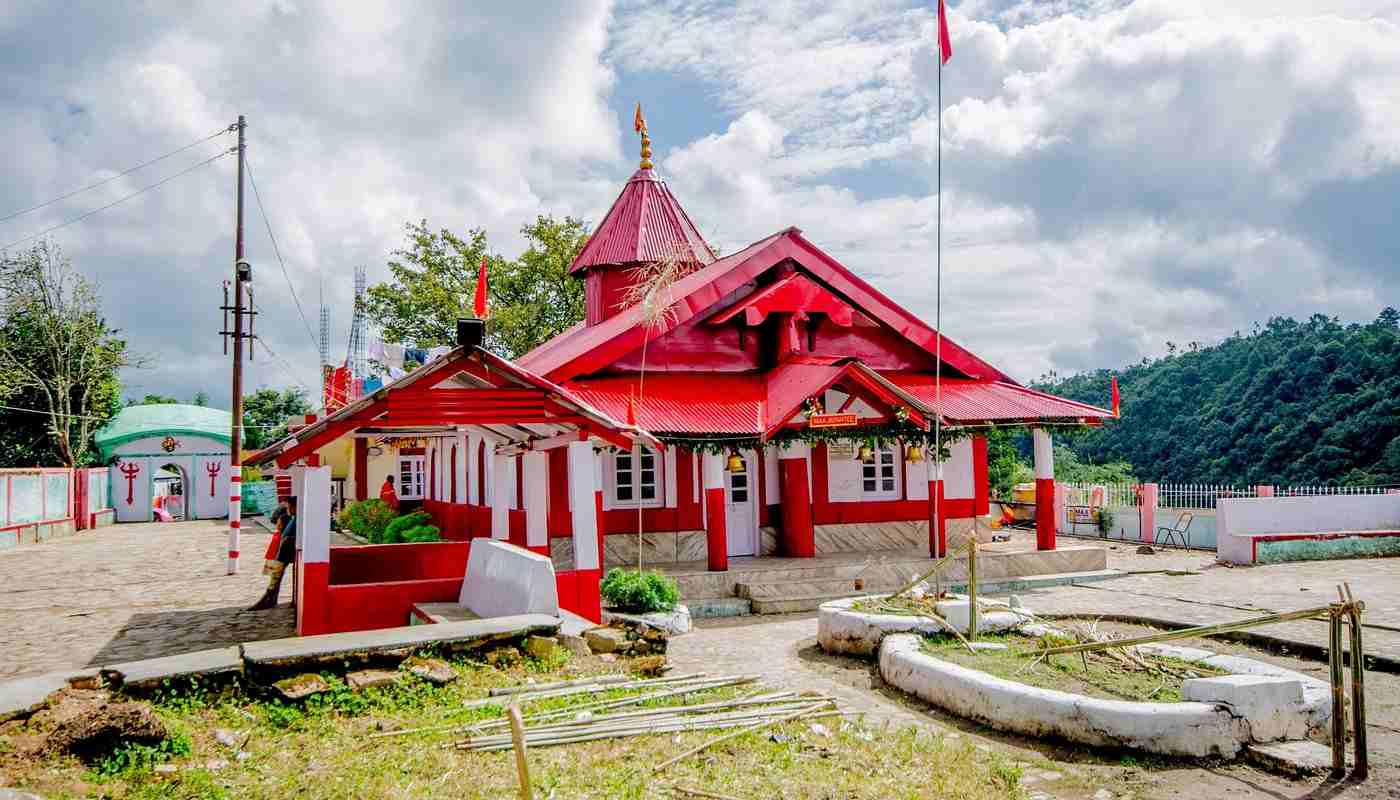
Nestled in the serene hills of Meghalaya, the Nartiang Durga Temple is one of the most spiritually significant yet lesser-known temples in India. Located in the Jaintia Hills near Jowai, this sacred shrine is deeply rooted in Hindu mythology and is believed to be one of the revered Shakti Peethas.
If you’re a spiritual seeker, history lover, or travel enthusiast, this temple offers a rare blend of mythology, culture, and breathtaking natural beauty.
Mythological Significance – The “Thigh (Chanda)” Connection
According to Hindu mythology, the temple is associated with the story of Sati and Lord Shiva.
- When Sati self-immolated during the Daksha Yajna, a grief-stricken Shiva carried her body across the universe.
- To restore cosmic balance, Lord Vishnu used his Sudarshan Chakra to dismember Sati’s body.
- The places where her body parts fell became Shakti Peethas.
It is believed that Sati’s thigh, also referred to as “Chanda,” fell at Nartiang, making it a sacred pilgrimage site.
This divine connection makes the temple extremely powerful for devotees seeking blessings of Goddess Durga.
Historical Importance
The temple dates back to the era of the Jaintia Kingdom:
- It was established by the Jaintia Kings, who were ardent devotees of Goddess Durga.
- The region served as their summer capital.
- The temple was used as a center for royal worship and rituals.
Interestingly, the temple stands near the famous Nartiang Monoliths, which are among the tallest monoliths in India and reflect the rich heritage of the region.
Architecture & Temple Structure
Unlike typical stone temples in India, the Nartiang Durga Temple showcases a unique architectural style:
- Built using wood and bamboo
- Features a sloping roof, similar to traditional Khasi houses
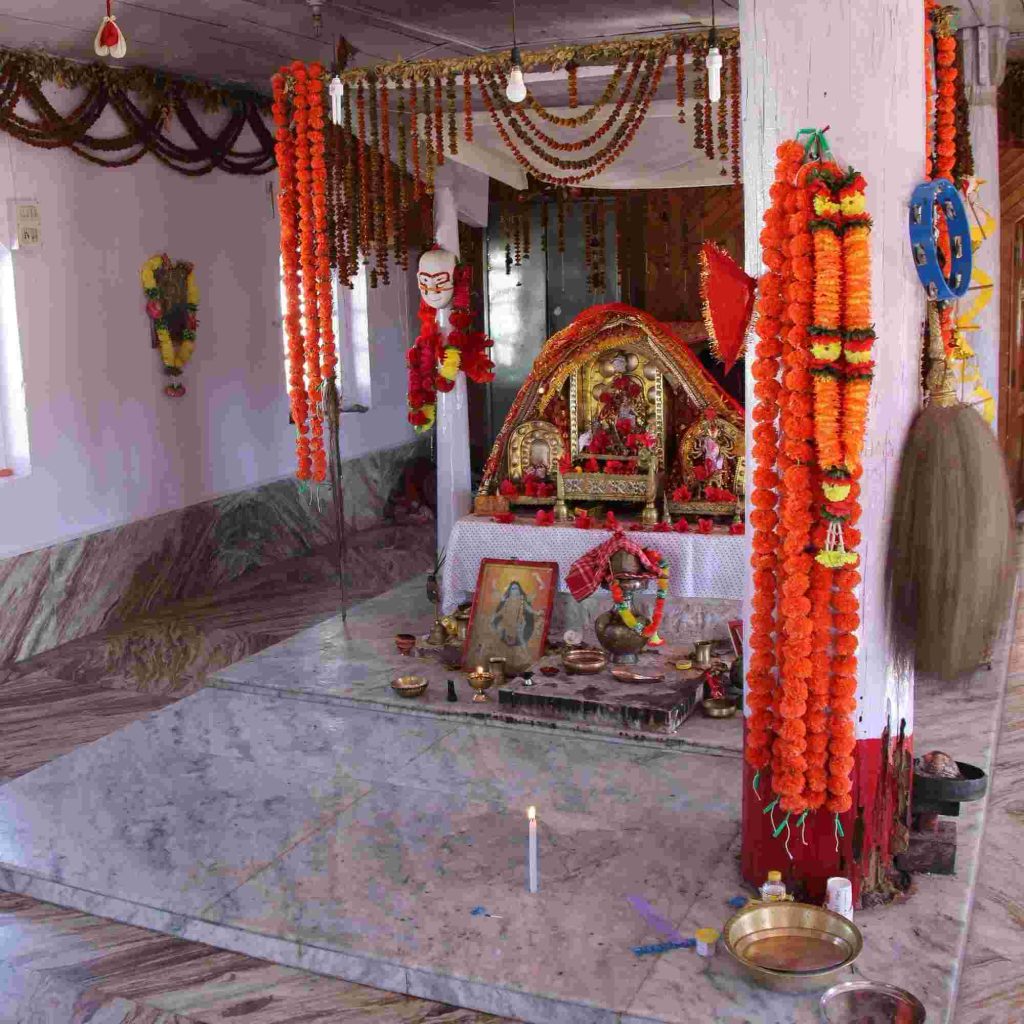
- The temple houses a sacred Durga idol, worshipped with devotion
This blend of tribal and Hindu styles makes it one of the most unique temples in Northeast India.
Festivals & Rituals
The most vibrant time to visit is during Durga Puja:
- Celebrated with grand rituals and cultural events
- Traditional practices include animal sacrifice, a ritual still followed here
- Devotees from across Meghalaya and nearby states gather in large numbers
The festival reflects a powerful mix of tribal customs and Hindu traditions.
Best Time to Visit
- October (Durga Puja) – Best for experiencing cultural vibrancy
- October to April – Pleasant weather for travel
- Avoid heavy monsoon months (June–September)
Location & Overview
The Nartiang Durga Temple is situated in Nartiang village, around 24 km from Jowai in the West Jaintia Hills district of Meghalaya.
- Distance from Shillong: ~65 km
- Surrounded by lush greenery and hills
- Also known as the “Temple of the Jaintia Kings”
This temple is unique because it reflects a blend of tribal traditions and Hindu rituals, making it culturally rich and spiritually powerful.
How to Reach
- Nearest Airport: Shillong Airport (Umroi)
- Nearest Railway Station: Guwahati
- From Shillong or Jowai: Taxis are easily available
The journey itself is scenic, offering mesmerizing views of Meghalaya’s hills and valleys.
Why You Should Visit Nartiang Durga Temple
- One of the lesser-known Shakti Peethas
- Deep mythological connection with Sati’s thigh (Chanda)
- Unique blend of tribal and Hindu traditions
- Peaceful and less crowded compared to major pilgrimage sites
- Close to historical attractions like Nartiang Monoliths
FAQs About Nartiang Durga Temple
1. Is Nartiang Durga Temple a Shakti Peetha?
Yes, it is believed to be one of the Shakti Peethas where Goddess Sati’s thigh (Chanda) fell.
2. Where is Nartiang Durga Temple located?
It is located in Nartiang village in the West Jaintia Hills district of Meghalaya, India.
3. What is special about this temple?
Its connection to the Shakti Peetha legend and its unique tribal-Hindu architectural style make it special.
4. Is animal sacrifice still practiced here?
Yes, during Durga Puja, traditional animal sacrifice rituals are still performed.
5. When is the best time to visit?
October during Durga Puja or between October and April for pleasant weather.

Leave A Comment