
Sugandha Shaktipeeth is one of the most sacred pilgrimage sites among the 51 Shakti Peethas in Hindu tradition. Located in the peaceful village of Shikarpur near Barisal in Bangladesh, this temple is deeply connected to the divine story of Goddess Sati.
According to ancient beliefs, this is the holy place where the nose (Sugandha) of Goddess Sati fell. Because of this, the temple holds immense spiritual importance and attracts devotees seeking blessings, peace, and divine protection.
In this detailed guide, you will learn about the history, mythology, temple significance, travel tips, and best time to visit Sugandha Shaktipeeth.
Mythological Story Behind Sugandha Shaktipeeth
The origin of Sugandha Shaktipeeth is rooted in one of the most powerful stories in Hindu mythology.
Goddess Sati, the consort of Lord Shiva, sacrificed herself in the fire of a yajna performed by her father, Daksha. He had insulted Lord Shiva, which deeply hurt Sati.
Filled with grief and anger, Lord Shiva carried Sati’s body and performed the cosmic dance of destruction. To calm him and restore balance, Lord Vishnu used his Sudarshan Chakra to divide her body into multiple parts.
These sacred body parts fell at different locations, forming the 51 Shakti Peethas. At Sugandha Shaktipeeth, it is believed that Sati’s nose fell, which is why the temple is known as “Sugandha,” meaning fragrance.
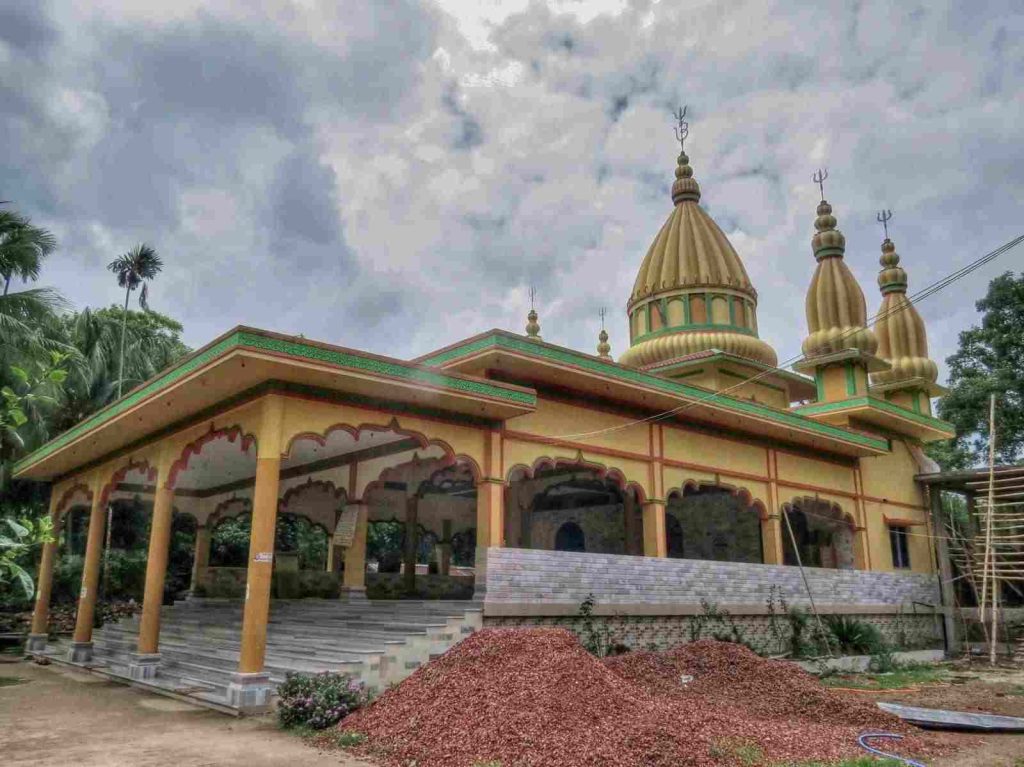
Exterior view of Sugandha Shaktipeeth temple in Shikarpur, Bangladesh
Religious Significance of Sugandha Shaktipeeth
Sugandha Shaktipeeth is not just a temple—it is a powerful spiritual center. Devotees believe that praying here can remove negative energy and bring peace, prosperity, and health.
The presiding deity here is Goddess Sunanda, a divine form of Goddess Durga. She is worshipped with deep devotion and is believed to fulfill the wishes of her devotees.
The Bhairava (guardian deity) associated with this temple is Trayambak Bhairava.
Many pilgrims visit this sacred site to seek:
- Relief from suffering
- Spiritual growth
- Fulfillment of desires
- Protection from negative forces
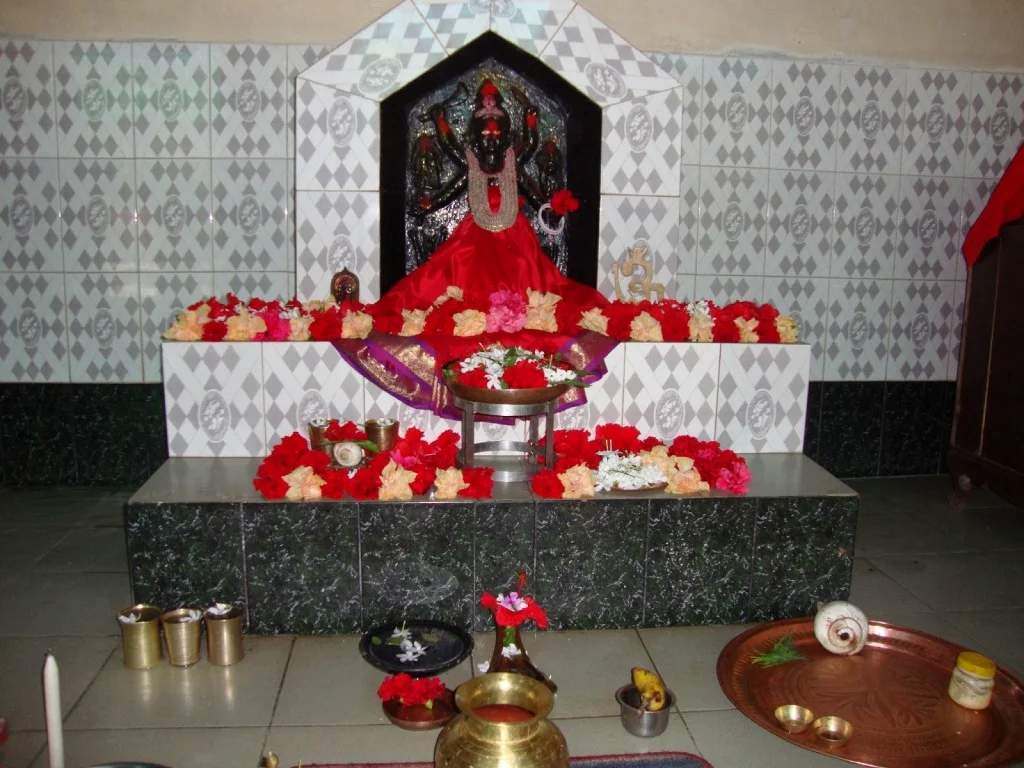
Sacred idol of Goddess Sunanda at Sugandha Shaktipeeth
Temple Architecture and Scenic Beauty
The architecture of Sugandha Shaktipeeth reflects simplicity and devotion rather than grandeur.
The temple is built in a traditional Bengali style and is surrounded by natural beauty. One of the highlights of this sacred site is its location near the Sugandha River, which enhances its peaceful atmosphere.
Key features include:
- A simple yet divine sanctum
- Idol of Goddess Sunanda
- Calm and quiet surroundings
- Green landscapes and village environment
Because of its serene setting, the temple is perfect for meditation and spiritual reflection.
Festivals Celebrated at Sugandha Shaktipeeth
Although the temple remains open throughout the year, it becomes especially vibrant during major Hindu festivals.
1. Durga Puja
This is the most important festival celebrated here. The temple is beautifully decorated, and thousands of devotees gather to seek blessings.
2. Navratri
Nine days of devotion, prayers, and rituals dedicated to Goddess Durga are observed with great enthusiasm.
3. Kali Puja
Special night prayers and rituals are performed to honor the fierce form of the Goddess.
During these festivals, the spiritual energy of Sugandha Shaktipeeth reaches its peak.
How to Reach Sugandha Shaktipeeth
Reaching Sugandha Shaktipeeth is quite convenient if you plan your journey properly.
By Air
The nearest airport is Barisal Airport. International travelers can first reach Dhaka and then travel to Barisal.
By Road
The temple is well connected by road. You can easily find buses, taxis, and auto-rickshaws from Barisal city to Shikarpur village.
By Water
Bangladesh is known for its river transport. You can also reach Barisal via scenic boat journeys, which add a unique experience to your trip.
Best Time to Visit Sugandha Shaktipeeth
The best time to visit Sugandha Shaktipeeth is between October and March. During these months, the weather is pleasant and suitable for travel.
If you want to experience the temple at its most vibrant, plan your visit during:
- Navratri
- Durga Puja
However, avoid visiting during the monsoon season as heavy rains may affect travel plans.
Travel Tips for Devotees
To make your visit smooth and comfortable, keep these tips in mind:
- Carry valid ID and travel documents (especially for international visitors)
- Dress modestly as it is a sacred place
- Visit early in the morning for peaceful darshan
- Respect local customs and traditions
- Stay in Barisal for better accommodation options
Why You Should Visit Sugandha Shaktipeeth
There are many reasons why Sugandha Shaktipeeth deserves a place on your spiritual travel list.
Firstly, it is one of the rare Shakti Peethas located outside India. Secondly, it offers a calm and less crowded environment, unlike many popular pilgrimage sites.
Moreover, the temple provides a deep connection to ancient mythology and divine energy. It is ideal for those seeking inner peace and spiritual awakening.
Nearby Attractions
While visiting Sugandha Shaktipeeth, you can also explore nearby places:
- Barisal city – Famous for rivers and natural beauty
- Local temples and ghats
- Rural landscapes of Bangladesh
These places add cultural and scenic value to your pilgrimage.
Spiritual Experience at Sugandha Shaktipeeth
Many devotees describe their visit to Sugandha Shaktipeeth as life-changing. The peaceful environment, combined with divine energy, creates a powerful spiritual experience.
Whether you are seeking answers, healing, or simply peace, this temple offers a unique connection to the divine feminine energy.
FAQs About Sugandha Shaktipeeth
1. What is Sugandha Shaktipeeth famous for?
Sugandha Shaktipeeth is famous as the place where Goddess Sati’s nose fell, making it one of the 51 Shakti Peethas.
2. Who is the main deity of Sugandha Shaktipeeth?
The main deity is Goddess Sunanda, a form of Goddess Durga.
3. Where is Sugandha Shaktipeeth located?
It is located in Shikarpur village near Barisal in Bangladesh.
4. Can Indian devotees visit Sugandha Shaktipeeth?
Yes, Indian devotees can visit with a valid passport and visa.
5. What is the best time to visit Sugandha Shaktipeeth?
October to March is the best time, especially during Navratri and Durga Puja.
6. Is accommodation available near the temple?
Basic facilities are available, but it is better to stay in Barisal city.
Conclusion
Sugandha Shaktipeeth is a hidden spiritual treasure that holds immense religious significance. From its deep mythological roots to its peaceful surroundings, this temple offers a truly divine experience.
If you are planning a spiritual journey, make sure to include Sugandha Shaktipeeth in your itinerary. It is not just a place of worship but a destination for inner peace, devotion, and spiritual awakening.




Leave A Comment