Ahobilam Temple is one of the most powerful and spiritually significant pilgrimage destinations in Andhra Pradesh, revered as the sacred place where Lord Narasimha, the fierce incarnation of Lord Vishnu, manifested to protect His devotee Prahlada. Nestled deep within the Nallamala forest range in Kurnool district, Ahobilam is not just a temple but a divine landscape of faith, mythology, and natural beauty.
Unlike most pilgrimage sites, Ahobilam is known for its Nava Narasimha Temples—nine distinct forms of Lord Narasimha spread across rugged hills and dense forests. This unique spiritual geography makes Ahobilam a must-visit destination for devotees, trekkers, and heritage seekers alike.
Spiritual Significance of Ahobilam Temple
Ahobilam is considered the Mahakshetram of Lord Narasimha, meaning it is the primary and most sacred place associated with His incarnation. According to Hindu scriptures, this is the exact location where Lord Narasimha emerged from a pillar to destroy the demon king Hiranyakashipu and restore dharma.
What makes Ahobilam exceptionally sacred is the presence of nine manifestations of Narasimha, collectively called Nava Narasimhas. Each form represents a different mood and divine purpose—ranging from fierce protection to peaceful blessing.
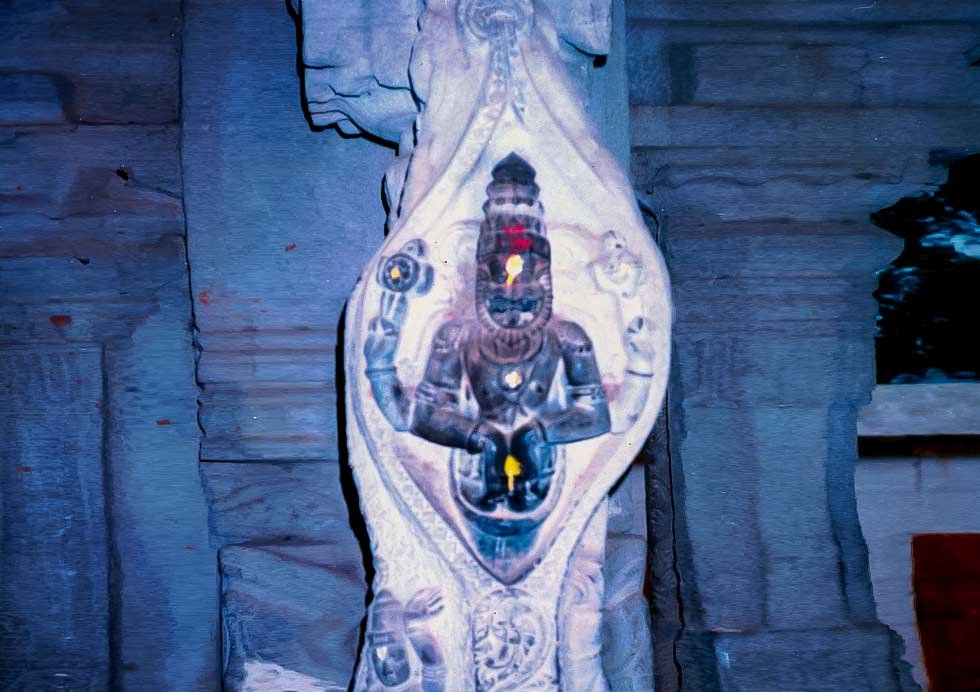
The-Significance-of-Ahobilam
The Nine Narasimha Forms
- Ugra Narasimha
- Krodha Narasimha
- Malola Narasimha
- Jwala Narasimha
- Yogananda Narasimha
- Bhargava Narasimha
- Karanja Narasimha
- Chatravata Narasimha
- Pavana Narasimha
Devotees believe that visiting all nine shrines grants protection from fear, relief from negative influences, and spiritual liberation.
History of Ahobilam Temple
The history of Ahobilam dates back to ancient Vedic and Puranic times. References to Ahobilam appear in several Hindu texts, including the Narasimha Purana and Skanda Purana.
Historically, the temple complex was developed and expanded during the Vijayanagara Empire, with significant contributions from rulers and devotees. The region later became an important center for Sri Vaishnavism, especially after the establishment of the Ahobilam Mutt, which continues to manage temple rituals and pilgrim services today.
Stone inscriptions, ancient mandapams, and traditional architecture reflect centuries of devotion and royal patronage.
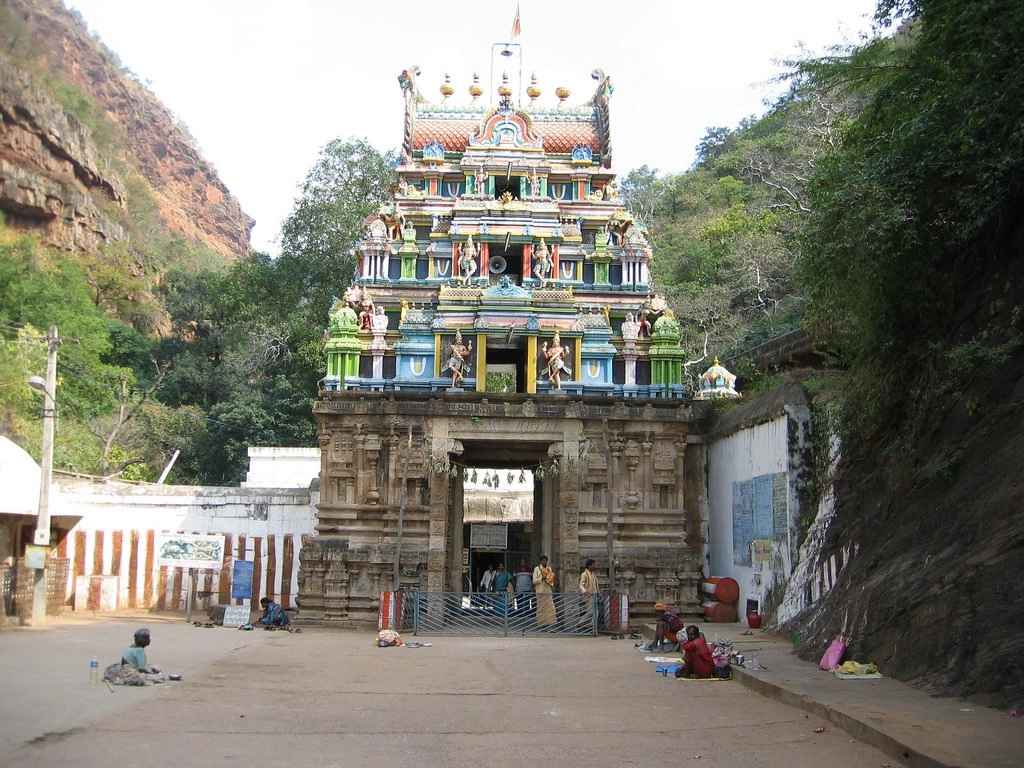
Ahobilam-Temple
Upper Ahobilam & Lower Ahobilam
Ahobilam is divided into two main zones:
Lower Ahobilam
- Easier access
- Main temple of Malola Narasimha
- Accommodation facilities
- Ropeway base station
Upper Ahobilam
- Houses most Nava Narasimha temples
- Located in forested hills
- Requires trekking or ropeway travel
- Spiritually intense and scenic
Most pilgrims start their journey at Lower Ahobilam and proceed to Upper Ahobilam.
Ahobilam Temple Timings
Ahobilam Temple is a sacred pilgrimage center dedicated to Lord Narasimha, located deep within the Nallamala forest range. The temple complex consists of Upper (Eguva) Ahobilam, Lower (Diguva) Ahobilam, and other Nava Narasimha shrines, each following structured darshan timings for devotees.
Ahobilam Temple Opening Timings
- Eguva (Upper) Ahobilam: 7:00 AM to 7:00 PM
- Diguva (Lower) Ahobilam: 6:30 AM to 8:00 PM
- A one-hour lunch break is observed in all Ahobilam temples.
Ahobilam Darshan Timings
- Lower Ahobilam:
6:30 AM – 1:00 PM & 3:00 PM – 8:00 PM
- Upper Ahobilam:
7:00 AM – 1:00 PM & 2:00 PM – 7:00 PM
- Other Ahobilam Temples:
9:00 AM – 4:00 PM
Darshan & Dress Code
- Special Darshan Ticket: ₹50 per person
- Free Darshan: Available on all days
- Dress Code: Any decent and traditional attire
Darshan Duration
- Weekdays: 10–15 minutes
- Weekends: 20–30 minutes
- Festival Days: 30–45 minutes
- At Lower Ahobilam, darshan usually takes 15–20 minutes on normal days.
It is traditionally believed that devotees should visit all nine Narasimha temples after sunrise and before sunset.
Best Time to Visit Ahobilam
- January 3rd week to February 3rd week is considered ideal due to pleasant weather and comfortable trekking conditions.
This structured timing system helps devotees plan a smooth darshan while safely exploring the spiritually powerful Nava Narasimha Kshetram.
Frequently Asked Questions (FAQs) – Ahobilam Temple
1. What is Ahobilam Temple famous for?
Ahobilam Temple is famous as the sacred place of Lord Narasimha’s incarnation and for the Nava Narasimha Temples.
2. How many Narasimha temples are there in Ahobilam?
There are nine Narasimha temples, collectively called Nava Narasimha Kshetram.
3. What are the Ahobilam Temple darshan timings?
Darshan timings are generally 6:30 AM to 1:00 PM and 3:00 PM to 8:30 PM.
4. What is the best time to visit Ahobilam Temple?
The best time to visit Ahobilam is from October to February.
5. Is trekking required to visit Ahobilam temples?
Yes, some temples in Upper Ahobilam require trekking, but a ropeway facility is available.
6. Which deity is worshipped at Ahobilam Temple?
The presiding deity is Lord Narasimha, an incarnation of Lord Vishnu.
Leave A Comment