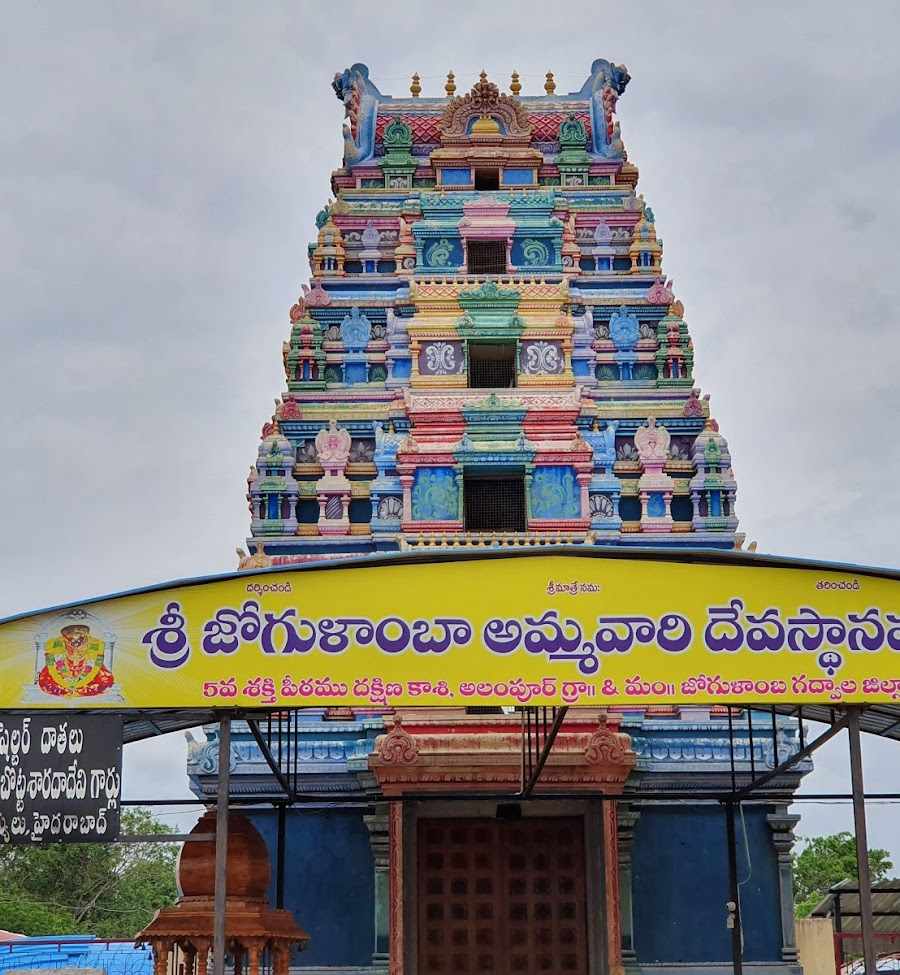
The sacred Jogulamba Shakti Peetha Temple stands as one of the most powerful Shakti Peethas in India. This temple lies in Alampur, a historic town known for its rich spiritual heritage. Devotees worship Jogulamba, a fierce form of Goddess Parvati, at this sacred shrine.
According to Hindu mythology, the upper teeth of Goddess Sati fell at this holy place. Because of this divine event, Alampur became one of the 51 sacred Shakti Peethas. Devotees believe that the temple radiates immense spiritual energy and divine protection.
Moreover, the temple sits near the meeting point of the Tungabhadra River and Krishna River, which further enhances its religious significance.
Mythological Story Behind Jogulamba Shakti Peetha
The origin of this sacred temple connects deeply with the story of Goddess Sati and Lord Shiva.
According to ancient legends, Sati attended the great sacrifice organized by her father Daksha. However, Daksha insulted Lord Shiva during the ritual known as Daksha Yajna. Unable to tolerate the humiliation of her husband, Sati sacrificed herself in the sacred fire.
After this tragic event, Lord Shiva carried Sati’s body and performed the cosmic dance called Tandava. His intense grief threatened the balance of the universe.
Therefore, Lord Vishnu used the divine Sudarshana Chakra to divide Sati’s body into several parts. These parts fell at different locations, which later became the sacred Shakti Peethas.
At Alampur, the upper teeth of Sati are believed to have fallen. Because of this, devotees consider Jogulamba Temple extremely powerful.
The guardian deity of this Shakti Peetha is Mahakala, a fierce form of Lord Shiva who protects the temple and its divine energy.

Temple entrance and dhwaja stambha at the sacred Jogulamba Shakti Peetha.
Unique Form of Goddess Jogulamba
Unlike many other temples where the goddess appears calm and benevolent, Jogulamba Devi manifests in a powerful and fierce form.
The idol of the goddess shows her seated on a corpse, symbolizing the destruction of ego and ignorance. In addition, the idol features symbolic creatures such as:
- Scorpion
- Frog
- Lizard
- Owl
Each creature represents control over negative forces and hidden energies. Therefore, devotees believe that worshipping Jogulamba Devi helps remove obstacles and protects them from harmful influences.
Furthermore, the temple strongly connects with Tantric traditions and Shakti worship, which makes it spiritually unique among the Shakti Peethas.
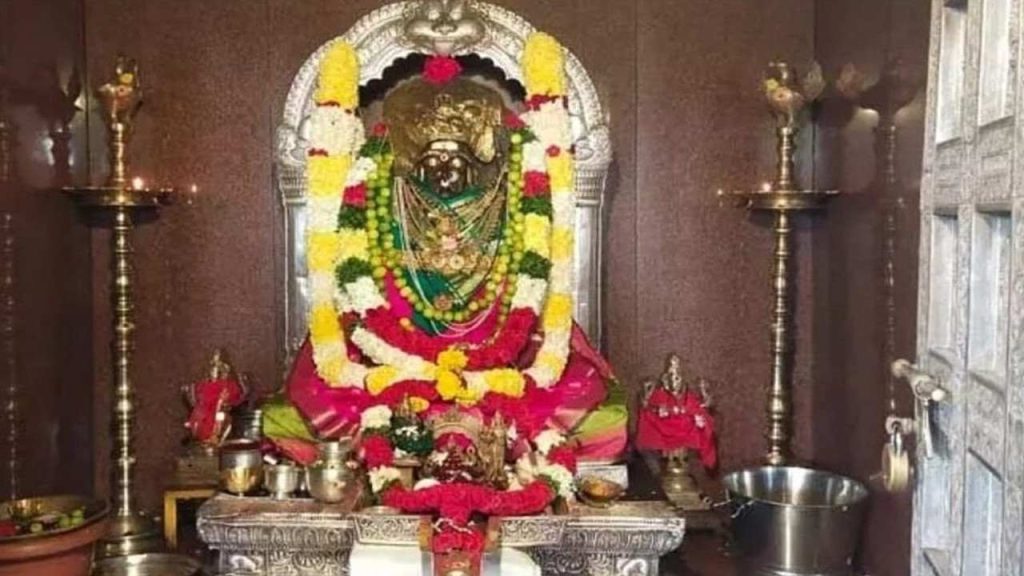
The powerful idol of Goddess Jogulamba worshipped at the Jogulamba Shakti Peetha.
Historical Background of the Temple
Jogulamba Temple has a fascinating historical journey. Initially, the Chalukya dynasty constructed the temple around the 7th century.
However, invasions during the 14th century destroyed the original temple structure. To protect the sacred idol, devotees moved it to the nearby Balabrahmeswara Temple. The idol remained there safely for several centuries.
Finally, in 2005, authorities rebuilt the Jogulamba Temple near the original site. The new temple beautifully combines traditional architecture with modern construction. Since then, thousands of devotees visit this sacred shrine every year.
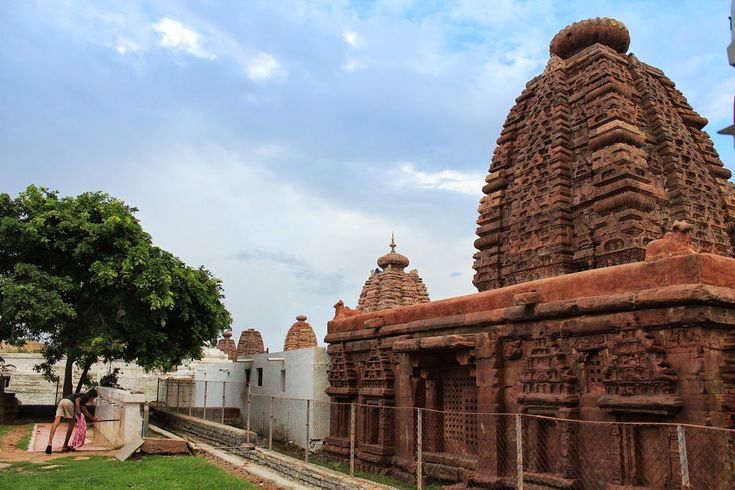
Ancient temples near Jogulamba Shakti Peetha at Alampur showcasing historic Chalukyan architecture.
Spiritual Importance of Jogulamba Temple
Jogulamba Temple holds immense spiritual importance for devotees. Many pilgrims visit this Shakti Peetha to seek divine blessings and protection.
Devotees believe that worshipping Jogulamba Devi can:
- Remove negative energies
- Protect devotees from evil forces
- Bring prosperity and success
- Provide spiritual strength
- Reduce planetary doshas
In particular, devotees suffering from Rahu-Ketu dosha or other astrological problems perform special prayers at this temple.
As a result, the temple attracts both spiritual seekers and devotees from across India.
Festivals Celebrated at Jogulamba Temple
Several festivals bring vibrant celebrations to the temple every year.
Navaratri
The most important festival celebrated here is Navaratri. During these nine days, devotees perform special pujas, cultural programs, and spiritual rituals dedicated to the divine feminine energy.
Maha Shivaratri
Another major festival is Maha Shivaratri, which honors Lord Shiva as Mahakala, the guardian deity of this Shakti Peetha.
Special Shakti Rituals
In addition, the temple hosts several tantric and Shakti rituals during auspicious days dedicated to the goddess.
How to Reach Jogulamba Temple
Location: Alampur, Jogulamba Gadwal District, Telangana.
By Road
Travelers can easily reach Alampur from major cities like Hyderabad, Kurnool, and Raichur via well-connected highways.
By Train
The nearest railway station is Alampur Road Railway Station, located a short distance from the temple.
By Air
The closest airport is Rajiv Gandhi International Airport, approximately 200 km away.
Best Time to Visit
Although devotees can visit the temple throughout the year, the best time includes:
- Navaratri festival season
- October to March (pleasant weather)
- Special Shakti worship days
Early morning darshan offers the most peaceful and spiritual experience.
Frequently Asked Questions (FAQs)
1. Why is Jogulamba Temple famous?
Jogulamba Temple is famous because it is one of the 51 Shakti Peethas where the upper teeth of Goddess Sati fell.
2. Where is Jogulamba Temple located?
The temple is located in Alampur in Jogulamba Gadwal district of Telangana, near the Tungabhadra River.
3. Who is Mahakala in Jogulamba Temple?
Mahakala is the guardian Bhairava deity, a powerful form of Lord Shiva who protects the Shakti Peetha.
4. What makes Jogulamba Devi unique?
Jogulamba Devi appears in a fierce tantric form, symbolizing power over darkness, ignorance, and negative energies.
5. When was the current temple constructed?
The present temple structure was reconstructed in 2005 after the original temple was destroyed centuries ago.
6. Which rivers are near the temple?
The temple lies close to the Tungabhadra River, near its confluence with the Krishna River.
7. Which festival is most important here?
Navaratri is the most important festival celebrated at Jogulamba Temple.
Conclusion
The sacred Jogulamba Upper Teeth Shakti Peetha at Alampur holds immense mythological and spiritual significance. Devotees visit this temple to seek divine protection, spiritual strength, and relief from obstacles.
With its powerful goddess, ancient history, and sacred location near the Tungabhadra River, Jogulamba Temple remains one of the most important pilgrimage destinations for devotees of Shakti.
Leave A Comment