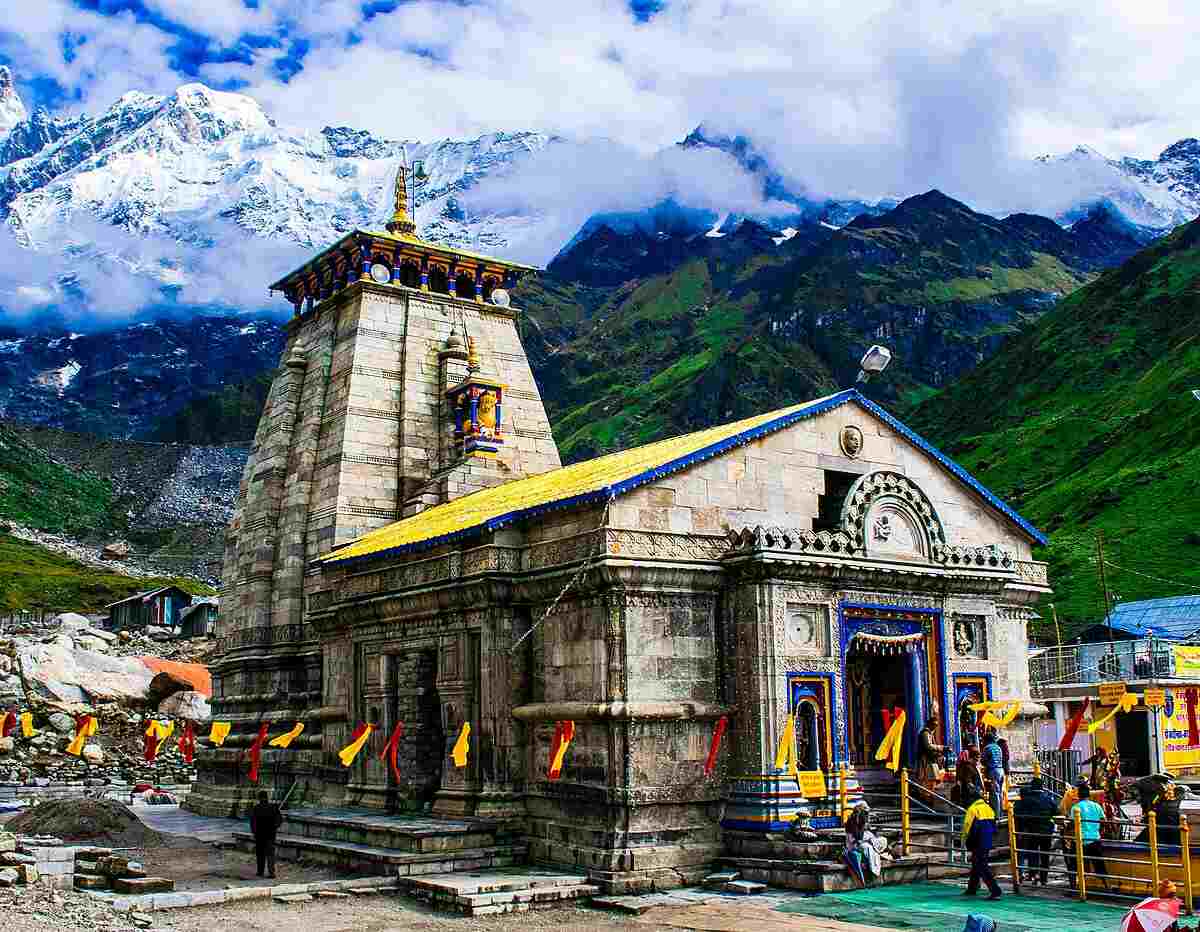
The Kedarnath Jyotirlinga stands as one of the most sacred and awe-inspiring shrines of Lord Shiva in India. Nestled high in the Garhwal Himalayas of Uttarakhand, Kedarnath is revered as one of the 12 Jyotirlingas—the holiest abodes where Lord Shiva manifested as a divine pillar of light. Surrounded by snow-clad peaks, glaciers, and the pristine Mandakini River, Kedarnath is not just a temple but a profound spiritual experience that represents devotion, renunciation, and liberation.
What Is Kedarnath Jyotirlinga?
Kedarnath Jyotirlinga is worshipped as Sadashiva, the eternal and formless aspect of Lord Shiva. Unlike many other temples, Kedarnath remains open only for a few months each year due to extreme climatic conditions, adding to its mystique and sanctity. The shrine is also part of the sacred Char Dham Yatra, making it one of the most significant pilgrimage destinations in Hinduism.
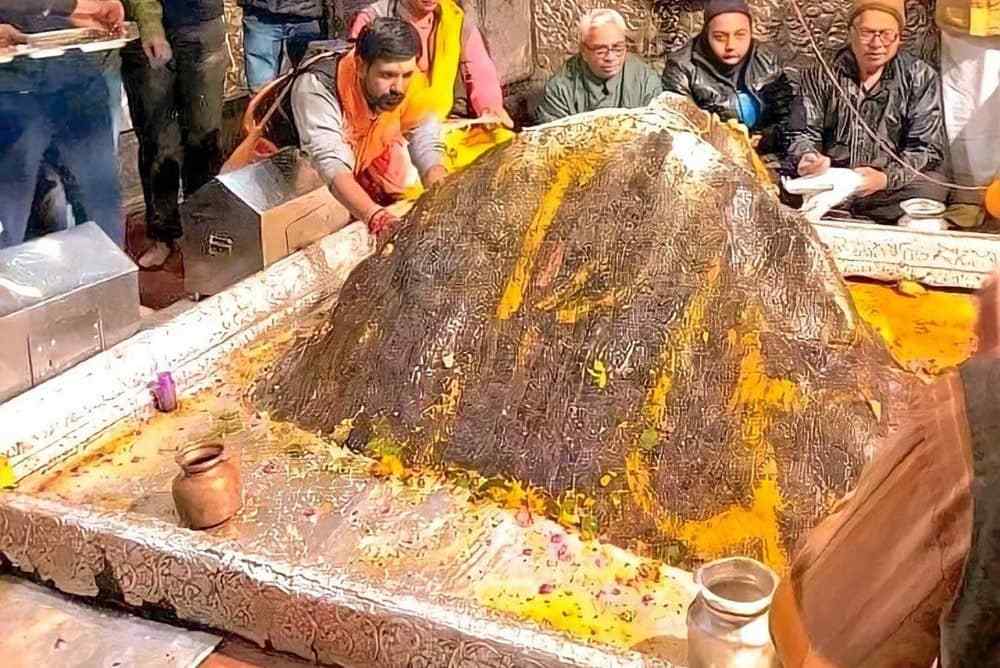
Kedarnath Jyotirlinga – the sacred Himalayan abode of Lord Shiva and one of the 12 Jyotirlingas of India.
Mythological Significance of Kedarnath
According to ancient Hindu legends, the origin of Kedarnath is closely linked to the Pandavas from the Mahabharata. After the Kurukshetra war, the Pandavas sought forgiveness from Lord Shiva for their sins. Shiva, unwilling to meet them directly, took the form of a bull and fled to the Himalayas.
When Bhima recognized him, Shiva dived into the earth. His body parts appeared at different locations, forming the Panch Kedar:
- Hump at Kedarnath
- Arms at Tungnath
- Face at Rudranath
- Navel at Madhyamaheshwar
- Hair at Kalpeshwar
Among these, Kedarnath is the most revered, as it houses the Jyotirlinga where Shiva’s divine presence eternally resides.
Spiritual Importance of Kedarnath Jyotirlinga
Kedarnath symbolizes moksha (liberation) and the transcendence of worldly attachments. Devotees believe that worshipping Lord Shiva here:
- Destroys accumulated karmas
- Removes fear of death
- Brings inner peace and spiritual clarity
- Guides the soul toward liberation
The serene Himalayan environment naturally induces meditation, surrender, and detachment, making Kedarnath a powerful center for spiritual transformation.
Temple Architecture and Setting
The Kedarnath Temple is believed to have been originally built by the Pandavas and later reconstructed by Adi Shankaracharya in the 8th century. The structure is made of massive stone slabs interlocked without mortar, showcasing extraordinary ancient engineering.
Key architectural features:
- Stone-built sanctum standing against harsh weather
- Conical Shiva lingam worshipped as the hump of the bull
- A sacred Nandi statue facing the sanctum
- Snow peaks forming a natural divine backdrop
Despite facing natural calamities over centuries, the temple has remained resilient—symbolizing unshakable faith.
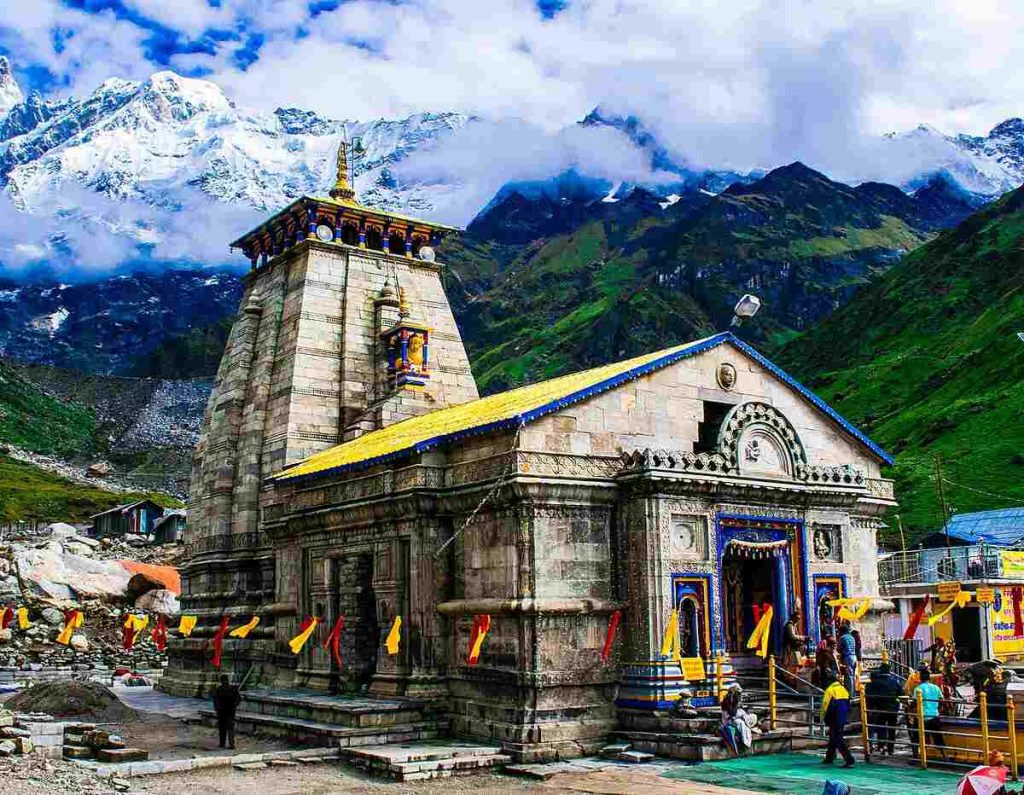
Kedarnath Temple, the sacred Himalayan shrine of Lord Shiva in Uttarakhand.
Location of Kedarnath Jyotirlinga
- State: Uttarakhand
- District: Rudraprayag
- Altitude: Approx. 3,583 meters (11,755 ft)
- Nearest Town: Gaurikund
- River: Mandakini
The final stretch to Kedarnath involves a 16 km trek from Gaurikund, which itself is considered an act of devotion and penance.
Best Time to Visit Kedarnath
Kedarnath Temple opens annually on Akshaya Tritiya (April–May) and closes on Bhai Dooj (October–November).
Ideal visiting months:
- May to June: Pleasant weather, peak pilgrimage season
- September to October: Clear skies, fewer crowds
The temple remains closed during winter due to heavy snowfall, and the deity is shifted to Ukhimath for worship.
Kedarnath Jyotirlinga and Maha Shivaratri
Maha Shivaratri holds exceptional importance for Kedarnath devotees. Though the temple remains closed during winter, special prayers and rituals are conducted at the winter seat of Lord Kedarnath.
Pilgrimage Experience: More Than a Journey
Visiting Kedarnath is not an ordinary trip—it is a spiritual pilgrimage that tests faith, endurance, and humility.
For More Details : Click
Frequently Asked Questions (FAQs)
Is Kedarnath one of the 12 Jyotirlingas?
Yes. Kedarnath is one of the most sacred Jyotirlingas of Lord Shiva.
Why is Kedarnath so spiritually powerful?
Its association with the Pandavas, its Himalayan location, and its Jyotirlinga status make it a center of immense spiritual energy.
How difficult is the Kedarnath trek?
The trek is moderately challenging due to altitude, but manageable with proper preparation and devotion.
When does the Kedarnath Temple open and close?
It usually opens in April/May and closes in October/November.
Which river flows near Kedarnath Temple?
The sacred Mandakini River flows beside the temple.
Conclusion
The Kedarnath Jyotirlinga is not merely a destination—it is a sacred passage toward self-realization and divine surrender.
A journey to Kedarnath is ultimately a journey inward—toward humility, awareness, and moksha.
Leave A Comment