Lepakshi Temple, also known as the Veerabhadra Swamy Temple, is one of the most remarkable heritage monuments in South India. Located in the Anantapur district of Andhra Pradesh, this 16th-century temple reflects the artistic excellence and spiritual depth of the Vijayanagara Empire. Surrounded by rugged hills and ancient landscapes, Lepakshi stands as a timeless blend of devotion, mythology, and architectural brilliance.
Unlike many temples known only for worship, Lepakshi is admired equally for its legends, sculptures, murals, and engineering marvels.
Historical Origins of Lepakshi Temple
The construction of Lepakshi Temple dates back to 1530 CE during the rule of the Vijayanagara Empire. The temple was commissioned by Virupanna Nayaka and Viranna, governors serving under King Achyuta Deva Raya.
According to historical accounts, Virupanna used royal treasury funds to build the temple out of deep devotion. When this act came to light, he reportedly faced severe punishment, giving rise to folklore that associates the temple with sacrifice and unwavering faith.
Despite its dramatic past, Lepakshi remains one of the best-preserved Vijayanagara monuments in India.
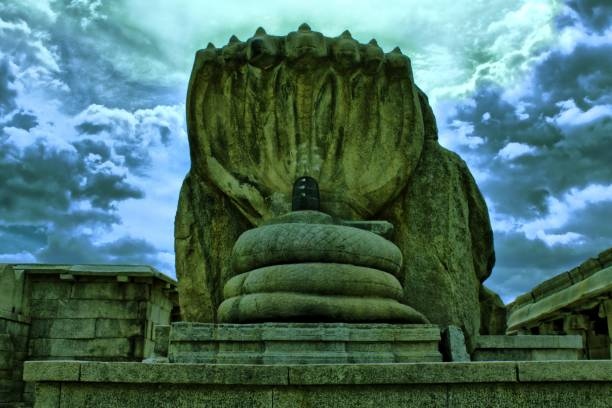
The sacred Nagalinga at Lepakshi Temple, symbolizing Lord Shiva protected by the divine serpent Adishesha.
Mythological Importance of Lepakshi
Lepakshi is deeply connected to the Ramayana. Legend says that Jatayu, the divine bird who fought Ravana to save Goddess Sita, fell at this very spot after being fatally wounded. When Lord Rama reached the place, he compassionately told Jatayu, “Le Pakshi” (Rise, O Bird), which later evolved into the name Lepakshi.
The temple is also dedicated to Lord Veerabhadra, a fierce manifestation of Lord Shiva created during the destruction of Daksha’s yajna. This association makes Lepakshi an important Shaivite pilgrimage center.
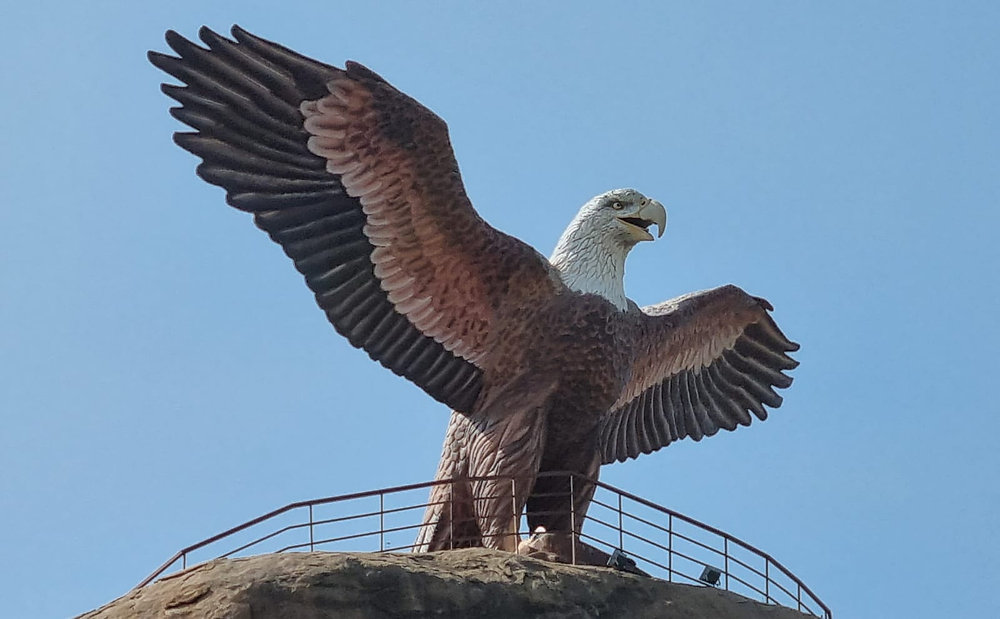
The majestic Jatayu statue at Lepakshi, commemorating the legendary bird’s courage and sacrifice from the Ramayana.
Architectural Highlights of Lepakshi Temple
Lepakshi Temple is a jewel of Vijayanagara architecture, built entirely using granite blocks without modern construction methods.
Hanging Pillar Wonder
One of the most fascinating features is the famous hanging pillar. It does not rest fully on the ground, and visitors can pass cloth beneath it, showcasing the temple’s advanced engineering.
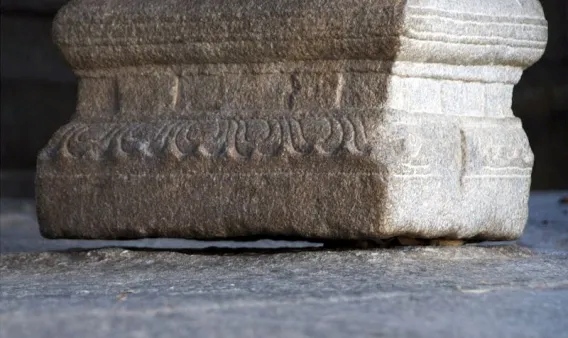
The legendary Hanging Pillar of Lepakshi Temple, a marvel of Vijayanagara-era engineering.
Magnificent Ceiling Paintings
The temple ceilings display large frescoes depicting scenes from Hindu epics such as the Ramayana and Mahabharata. These murals are among the finest surviving examples of ancient Indian wall paintings.
Monolithic Nandi Statue
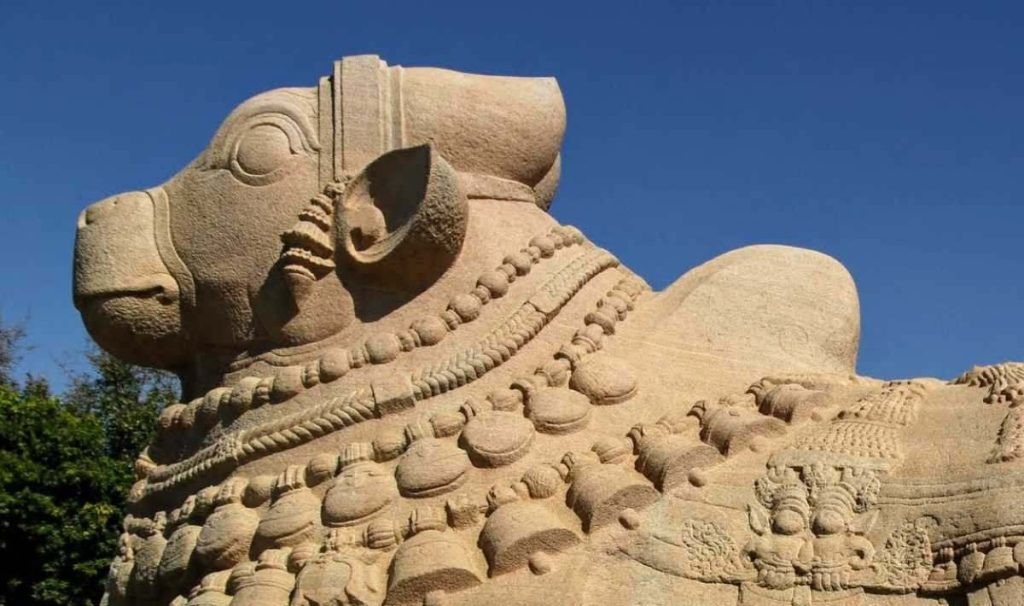
About 200 meters from the main shrine stands a massive monolithic Nandi statue carved from a single granite stone. It aligns perfectly with the Shiva Lingam inside the temple, reflecting precise architectural planning.
Intricate Pillar Carvings
Every pillar narrates stories through carvings of gods, dancers, musicians, and mythical beings, highlighting the artistic mastery of the Vijayanagara craftsmen.
Religious Significance and Worship Practices
The presiding deity, Lord Veerabhadra, symbolizes power, protection, and righteous anger against injustice. Devotees believe that prayers at Lepakshi help remove obstacles, fear, and negative influences.
The temple complex also includes shrines dedicated to Goddess Bhadrakali, Lord Shiva, Lord Vishnu, and Lord Ganesha. Daily rituals follow traditional Shaivite customs and are conducted with great devotion.
Lepakshi and UNESCO Recognition
Due to its exceptional cultural and architectural value, Lepakshi Temple has been included in India’s UNESCO Tentative List of World Heritage Sites. This recognition highlights its global importance and strengthens preservation efforts for future generations.
Best Time to Visit Lepakshi Temple
The most suitable time to visit Lepakshi is from October to March, when the climate is pleasant. Summers can be very hot, while monsoon months may limit comfortable exploration.
Early mornings are ideal for peaceful darshan and appreciating the temple’s artwork.
How to Reach Lepakshi
- By Road: Lepakshi is around 120 km from Bengaluru and easily accessible by road.
- By Rail: Hindupur Railway Station, about 15 km away, is the nearest railhead.
- By Air: Kempegowda International Airport, Bengaluru, is the closest airport.
Frequently Asked Questions (FAQs) About Lepakshi Temple
Who is the main deity worshipped at Lepakshi Temple?
Lord Veerabhadra, a powerful form of Lord Shiva, is the main deity of the temple.
Why is Lepakshi Temple famous?
The temple is famous for its hanging pillar, stunning frescoes, monolithic Nandi statue, and Ramayana-related legends.
Is Lepakshi associated with the Ramayana?
Yes, Lepakshi is believed to be the place where Jatayu fell after fighting Ravana.
Can visitors touch the hanging pillar?
Yes, visitors are allowed to observe and gently test the hanging pillar, though care must be taken to preserve the structure.
Is Lepakshi Temple suitable for a day trip from Bengaluru?
Yes, Lepakshi makes an excellent one-day heritage trip from Bengaluru.
Conclusion
Lepakshi Temple is more than a historic monument—it is a symbol of devotion, artistic excellence, and ancient engineering brilliance. From its mythological roots to its awe-inspiring sculptures, the temple offers a deeply enriching experience for pilgrims, historians, and travelers alike.
A visit to Lepakshi is a journey into India’s spiritual soul and architectural genius, leaving visitors inspired long after they depart.
Leave A Comment