Shri Mata Vaishno Devi Temple, located in the majestic Trikuta Hills of Jammu and Kashmir, is one of India’s most powerful and sacred pilgrimage destinations. Revered as a Right Arm Shakti Peetha, this holy shrine holds immense mythological and spiritual importance in Hindu tradition.
Millions of devotees undertake the arduous yet fulfilling yatra every year with unwavering faith, chanting “Jai Mata Di”. The pilgrimage reaches its true spiritual completion only after visiting the revered Bhairavanath Temple, making the journey both transformative and symbolic.
Mythological Background of the Right Arm Shakti Peetha
According to ancient Hindu scriptures, the Shakti Peethas emerged after the self-sacrifice of Goddess Sati and Lord Shiva’s cosmic Tandava. It is believed that the right arm of Goddess Sati fell at the site of Vaishno Devi, sanctifying it as a divine center of feminine power (Shakti).
Mata Vaishno Devi is worshipped as the combined energy of Kali (strength), Lakshmi (prosperity), and Saraswati (wisdom). Devotees believe that sincere prayers offered here remove obstacles, grant wishes, and guide one toward spiritual awakening.
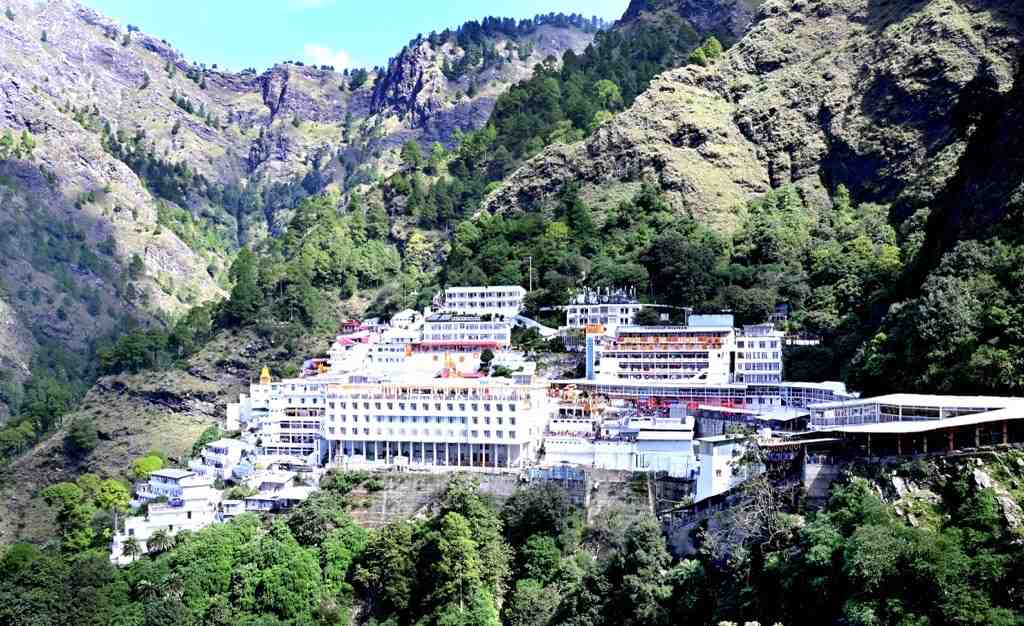
Shri Mata Vaishno Devi Bhawan surrounded by the serene Trikuta Mountains in Jammu & Kashmir
The Sacred Cave & the Three Divine Pindis
The sanctum sanctorum of the temple is a naturally formed cave housing three sacred pindis instead of idols. These pindis represent the three forms of the Goddess and are worshipped with deep reverence.
Before entering the sanctum, devotees pass through the Garbha Joon, a narrow cave passage symbolizing rebirth, purification, and liberation from past karmas. This experience is often described as spiritually overwhelming and deeply moving.
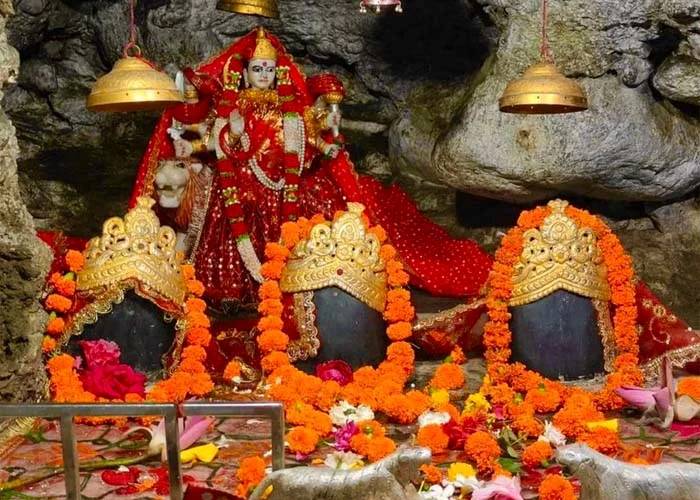
The three holy pindis symbolizing the divine forms of Mata Vaishno Devi
Bhairavanath Temple – Completing the Yatra
Legend of Bhairavanath
Bhairavanath, a fierce manifestation associated with Lord Shiva, plays a crucial role in the Vaishno Devi legend. It is believed that Bhairava pursued the Goddess during her penance. After a long chase, Mata Vaishno Devi ultimately beheaded him at the hilltop where the Bhairavanath Temple stands today.
Realizing his mistake, Bhairava repented sincerely. The Goddess granted him salvation and declared that no yatra would be considered complete without visiting Bhairavanath.
Spiritual Meaning
- Symbol of ego surrender and repentance
- Represents divine forgiveness
- Marks the spiritual conclusion of the pilgrimage
The temple also offers spectacular panoramic views of the surrounding mountains, adding serenity to devotion.
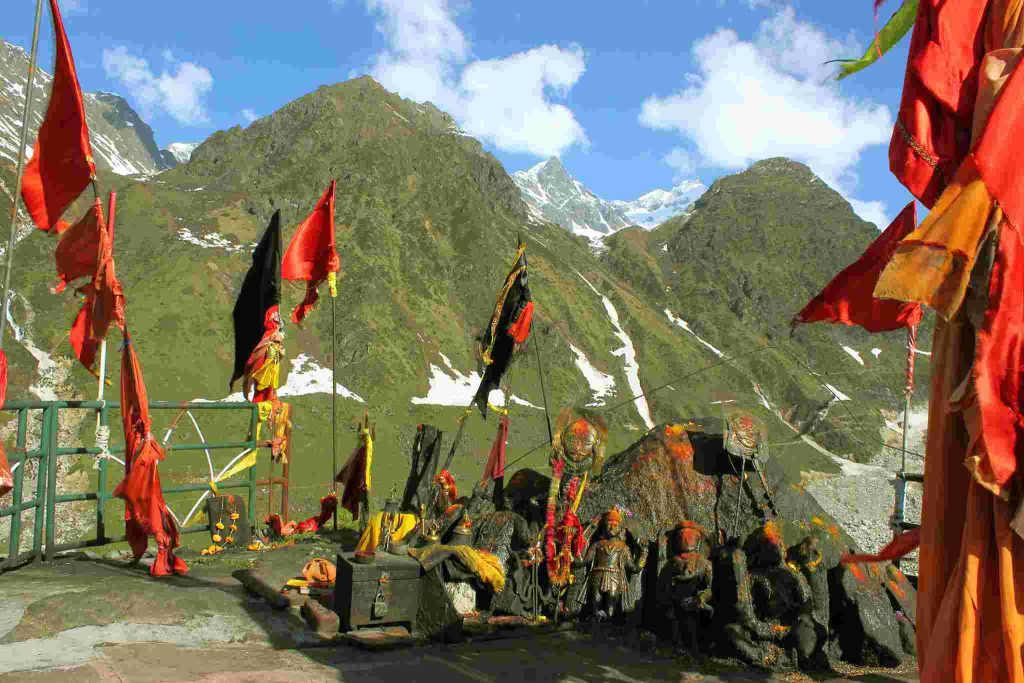
Bhairavanath Temple, the final and essential stop of the Vaishno Devi Yatra
Vaishno Devi Yatra Route & Travel Information
Base Camp – Katra
Katra serves as the starting point for the yatra and is well connected by road and rail from Jammu.
Trek Overview
- Distance: ~13 km (one way)
- Facilities available:
- Walking track
- Ponies and palkis
- Battery vehicles (partial route)
Helicopter Services
Helicopter services operate between Katra and Sanjichhat, making the pilgrimage accessible for elderly devotees and those with time constraints.
Best Time to Visit Vaishno Devi
- March to October – Ideal weather for trekking
- Navratri Season – Extremely auspicious, high footfall
- Winter (Dec–Jan) – Snowfall enhances beauty but increases difficulty
Devotional Beliefs & Spiritual Impact
Devotees believe that Mata Vaishno Devi:
- Fulfills genuine wishes
- Protects devotees from negative influences
- Grants inner peace and spiritual clarity
The yatra instills humility, discipline, and devotion, making it a deeply life-changing experience.
LOCATION:
Frequently Asked Questions (FAQs)
1. Why is Vaishno Devi called a Right Arm Shakti Peetha?
It is believed that the right arm of Goddess Sati fell at this location, making it one of the sacred Shakti Peethas mentioned in Hindu scriptures.
2. Is Bhairavanath darshan compulsory?
Yes. According to legend, the pilgrimage is considered incomplete without visiting Bhairavanath Temple after Mata Vaishno Devi darshan.
3. How long does the Vaishno Devi yatra take?
On average, the yatra takes 6–9 hours one way, depending on pace, weather, and crowd conditions.
4. Are senior citizens allowed to visit the temple?
Yes. Facilities such as helicopter services, battery vehicles, and palkis make the yatra accessible for senior citizens.
5. What is Garbha Joon in Vaishno Devi?
Garbha Joon is a narrow cave passage that devotees crawl through, symbolizing rebirth and spiritual purification.
6. What is the best month to visit Vaishno Devi?
March to June and September to October are considered the best months due to pleasant weather and manageable crowds.
7. Can children participate in the yatra?
Yes, children can visit, but parents should plan carefully and use facilities like palkis if required.
Conclusion
The pilgrimage to Vaishno Devi – Right Arm Shakti Peetha is a sacred blend of devotion, mythology, and spiritual fulfillment. The final ascent to Bhairavanath Temple completes the divine journey, reinforcing the values of humility, repentance, and surrender.
A visit to Mata Vaishno Devi is not just a pilgrimage—it is a soul-stirring experience that stays with devotees for a lifetime.
Leave A Comment