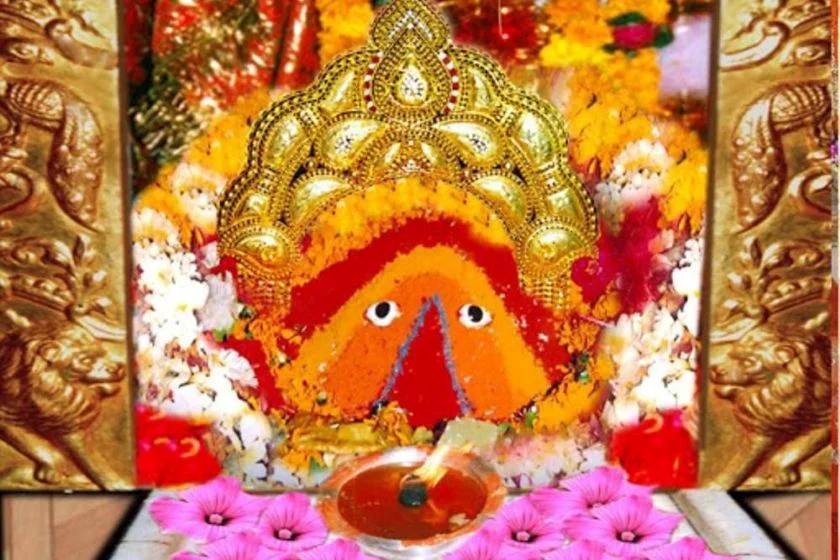
Nestled amid the serene Shivalik ranges of Himachal Pradesh, Chintpurni Shakti Peeth stands as a powerful spiritual destination for devotees seeking relief from worries and fulfillment of heartfelt wishes. Revered as one of the 51 Shakti Peethas, this ancient shrine draws millions of pilgrims every year who come with faith, devotion, and hope.
The name Chintpurni itself reflects the temple’s divine promise—Chinta means worries, and Purni means remover. Together, the Goddess here is believed to free devotees from mental burdens and grant peace of mind.
Spiritual Significance of Chintpurni Shakti Peeth
According to Hindu tradition, Chintpurni is the sacred site where the forehead (or feet, as per some beliefs) of Goddess Sati fell during Lord Shiva’s cosmic Tandava after her self-immolation. As a result, the place became eternally charged with Shakti energy.
At this Peeth:
- Goddess is worshipped as Chintpurni Devi
- Bhairava is revered as Kapala Bhairava
- Devotees seek solutions to emotional, financial, and family concerns
Because of this powerful belief, pilgrims often arrive with vows (mannat) and return to offer thanks once their wishes are fulfilled.
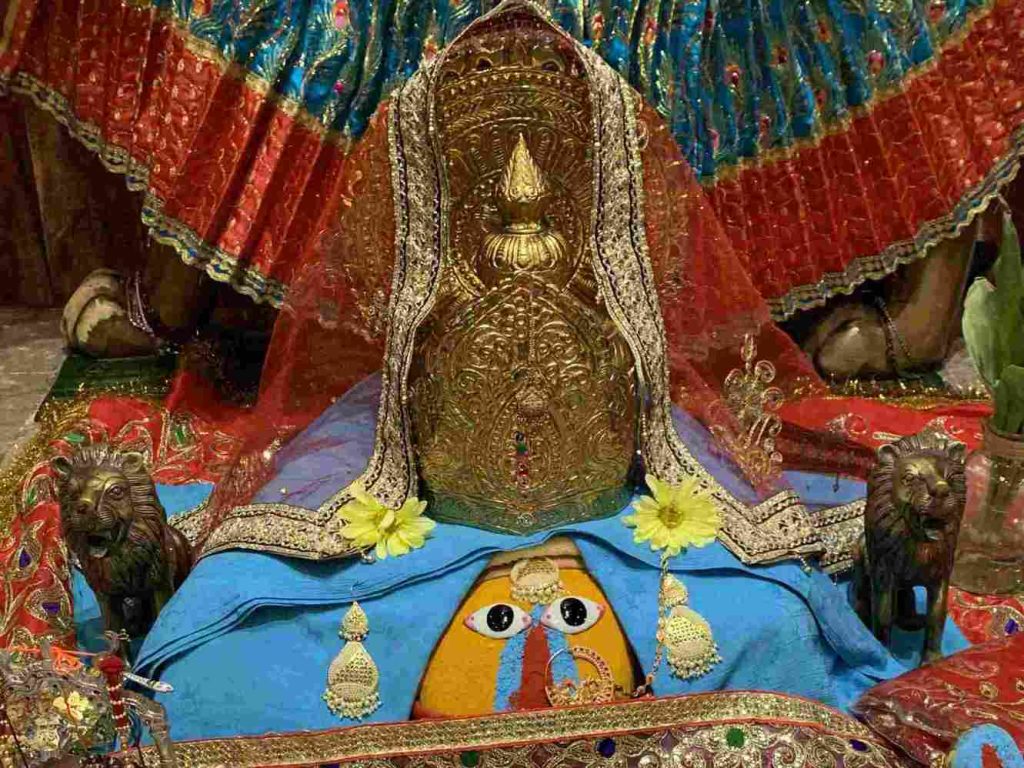
Divine form of Chintpurni Mata, the wish-fulfilling Goddess revered at the sacred Chintpurni Shakti Peeth in Himachal Pradesh.
Legend and Mythology
The origin of Chintpurni Shakti Peeth connects deeply with the legend of Sati and Shiva. When Sati sacrificed herself at her father Daksha’s yagna, Shiva carried her body across the universe in grief. To restore balance, Lord Vishnu used his Sudarshan Chakra to divide Sati’s body, and each place where a body part fell became a Shakti Peeth.
Over time, sages and devotees experienced divine visions here, strengthening the belief that Goddess Chintpurni listens to prayers with compassion and grace.
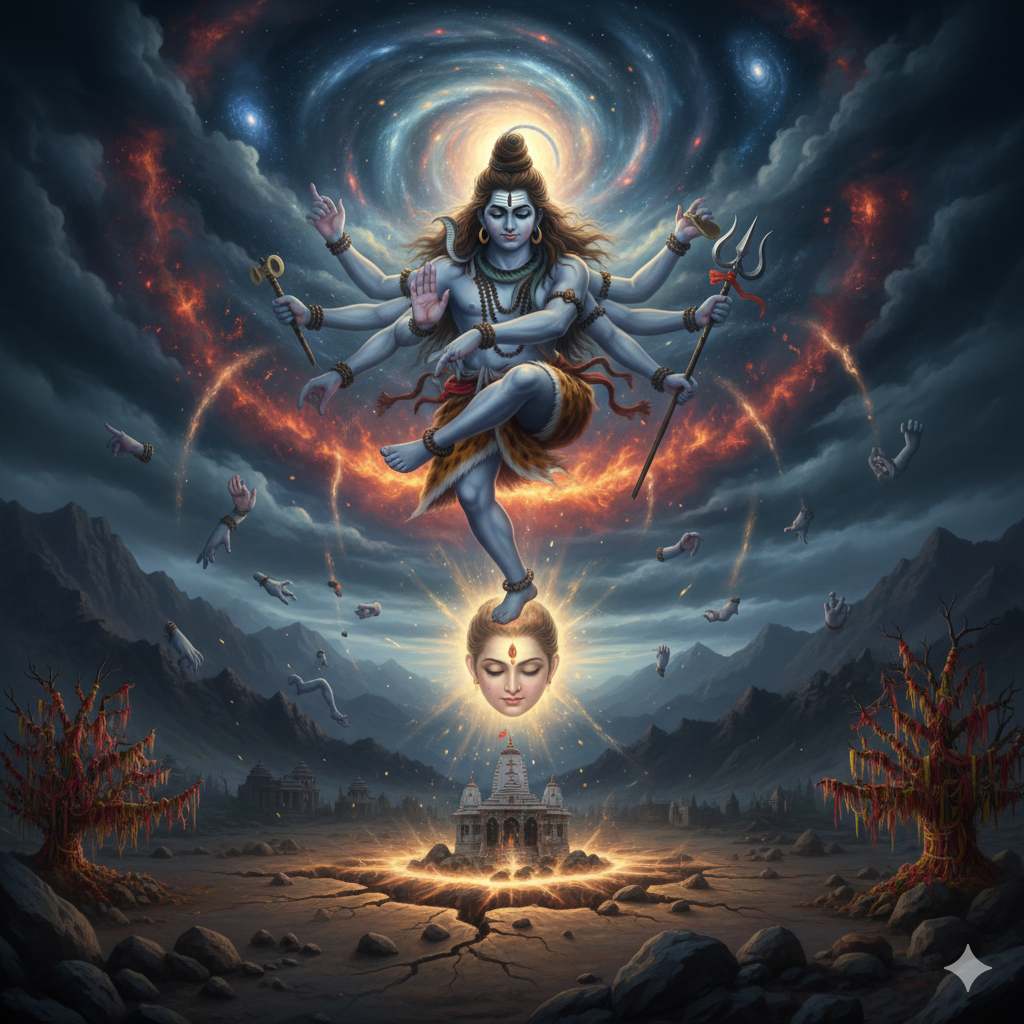
The divine moment of cosmic balance that led to the creation of sacred Shakti Peethas across India.
Temple Architecture and Sacred Atmosphere
The temple complex blends simplicity with spiritual intensity. Unlike heavily sculpted temples, Chintpurni’s power lies in its divine presence rather than grand architecture.
Key features include:
- A natural stone Pindi symbolizing the Goddess
- Sacred flames and lamps kept lit by devotees
- Calm surroundings that enhance meditation and prayer
Furthermore, the rhythmic chants of “Jai Mata Di” create an uplifting spiritual vibration throughout the temple premises.
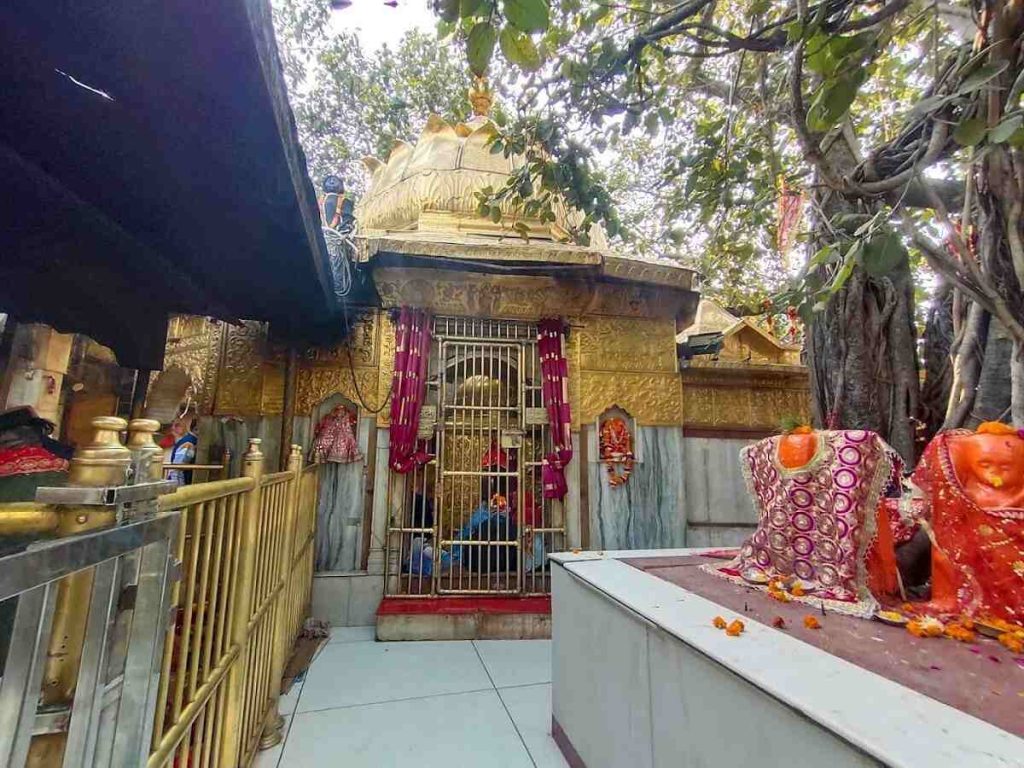
Chintpurni Devi Temple – the wish-fulfilling Shakti Peeth of Himachal Pradesh.
Rituals, Offerings, and Devotee Practices
Devotees follow traditional rituals with deep devotion. Common practices include:
- Offering red cloth, coconuts, bangles, and sindoor
- Lighting oil lamps for wish fulfillment
- Performing special pujas during Navratri
Importantly, animal sacrifice was once part of local tradition. However, today the focus has shifted toward symbolic offerings and spiritual discipline, aligning with modern devotional practices.
Best Time to Visit Chintpurni Temple
While the temple remains open throughout the year, some periods hold special significance:
- Navratri (March–April & September–October) – Most auspicious
- Shravan month – Ideal for Shiva-Shakti devotees
- Winter months – Pleasant climate and peaceful darshan
During festivals, the temple witnesses grand celebrations, devotional music, and massive pilgrim gatherings.
How to Reach Chintpurni Shakti Peeth
Chintpurni enjoys good connectivity:
- By Road: Well-connected from Una, Hoshiarpur, and Kangra
- By Rail: Nearest railway station – Una Himachal
- By Air: Nearest airport – Gaggal Airport (Dharamshala)
Additionally, frequent buses and taxis make travel convenient for pilgrims.
Why Devotees Revere Chintpurni Devi
Devotees believe the Goddess:
- Removes anxiety and fear
- Grants clarity in life decisions
- Blesses families with harmony and prosperity
As a result, many devotees visit repeatedly, strengthening their spiritual bond with the Goddess.
Frequently Asked Questions (FAQs)
1. Why is Chintpurni called a wish-fulfilling temple?
Because devotees believe the Goddess removes worries (chinta) and fulfills sincere prayers.
2. Which body part of Goddess Sati fell at Chintpurni?
Traditions mention the forehead or feet of Goddess Sati.
3. Who is the Bhairava of Chintpurni Shakti Peeth?
The associated Bhairava is Kapala Bhairava.
4. Is Chintpurni suitable for family pilgrims?
Yes, the temple is family-friendly and welcomes devotees of all ages.
5. What are the temple timings?
Generally, the temple opens early morning and closes late evening, with extended hours during festivals.
6. Is accommodation available near the temple?
Yes, several guesthouses, dharamshalas, and hotels are available nearby.
Conclusion
Chintpurni Shakti Peeth stands as a living symbol of faith, hope, and divine compassion. Whether you seek peace of mind, spiritual growth, or answers to life’s challenges, the Goddess here welcomes every devotee with boundless grace.
A visit to Chintpurni is not just a pilgrimage—it is a journey toward inner clarity and spiritual fulfillment.

Leave A Comment