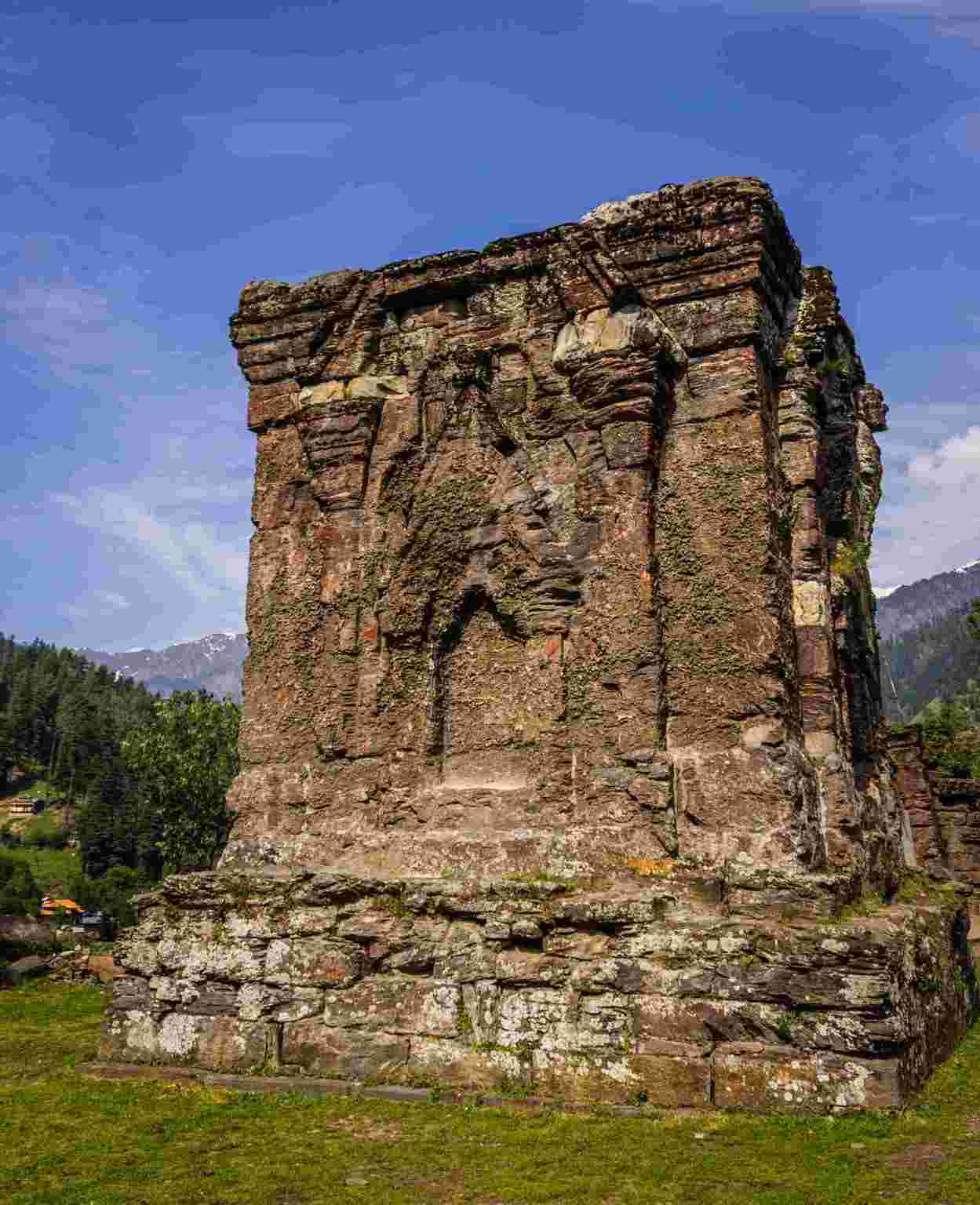
Sharada Peeth stands as one of the most sacred and intellectually significant sites in the spiritual history of the Indian subcontinent. Located near the banks of the Kishanganga (Neelum) River in the Kashmir region, this ancient shrine was not just a temple but a world-renowned center of learning. Dedicated to Goddess Sharada, a revered form of Saraswati—the deity of wisdom, speech, and learning—Sharada Peeth symbolized the union of spirituality and scholarship.
Although the temple today lies in ruins, its legacy continues to inspire scholars, devotees, and historians alike.
Spiritual Significance of Sharada Peeth
Sharada Peeth holds a unique place in Hindu tradition as a powerful Shakti Peetha and as the foremost seat of Goddess Saraswati in Kashmir. Ancient texts describe the goddess here as Sharada Devi, the divine source of wisdom, logic, and enlightenment. Devotees believed that worship at this shrine sharpened intellect, refined speech, and removed ignorance.
Moreover, Sharada Peeth was considered so sacred that scholars sought the goddess’s blessings before undertaking philosophical debates or composing important works.
Sharada Peeth as an Ancient University
Beyond worship, Sharada Peeth functioned as a prestigious center of higher learning from at least the 6th century CE. Students and scholars traveled from distant regions such as Gandhara, Bengal, Central Asia, and South India to study here. Subjects included:
- Vedas and Upanishads
- Grammar and linguistics
- Logic (Nyaya) and philosophy
- Tantra and metaphysics
- Astronomy and mathematics
Importantly, Sharada Peeth also served as a testing ground for scholars. Only those who proved exceptional mastery were allowed to debate or teach at the institution, giving it a reputation comparable to Nalanda and Takshashila.
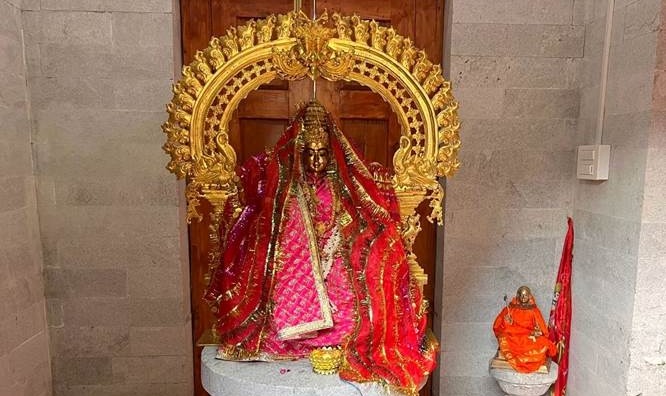
Modern depiction of Goddess Sharada, the deity of wisdom and learning
Historical References and Scholars
Several renowned scholars mentioned Sharada Peeth in their works. The great philosopher Adi Shankaracharya is traditionally believed to have visited Sharada Peeth and engaged in scholarly debates there. Some legends even suggest that he received divine recognition from Goddess Sharada herself at this site.
Additionally, ancient Kashmiri texts consistently refer to Sharada Peeth as the supreme authority on learning and scriptural interpretation.
Architectural Grandeur of the Temple
The Sharada Peeth temple followed classical Kashmiri stone architecture. Built on a raised platform, the structure featured a sanctum dedicated to Goddess Sharada and surrounding halls for learning and debate. Carved stone blocks, intricate doorways, and symmetrical design reflected both spiritual symbolism and architectural sophistication.
Sadly, repeated invasions, natural decay, and centuries of neglect reduced the once-glorious complex to ruins. Even so, the remaining stone structure still conveys its former magnificence.
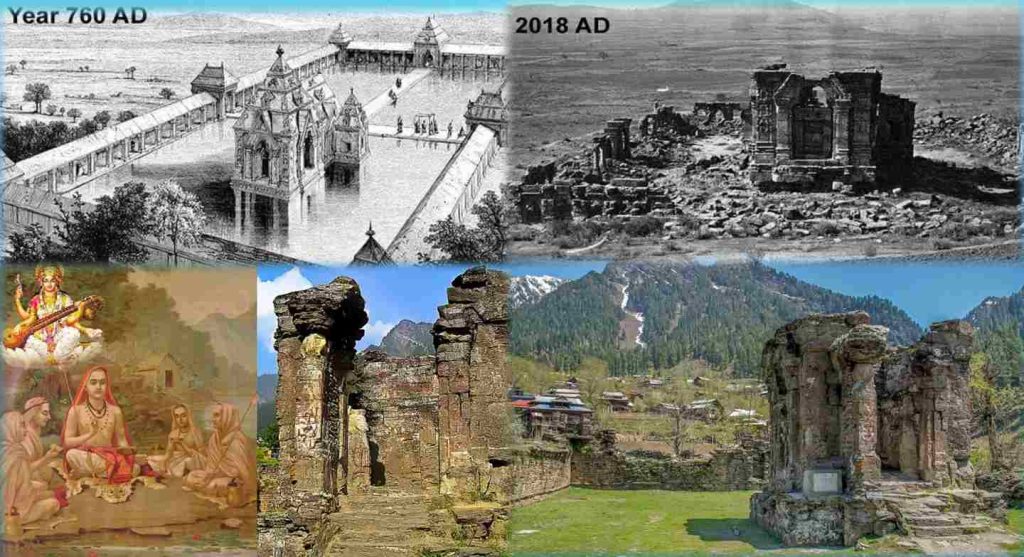
Sharada Peeth: From a grand temple complex to historic ruins
Cultural and Linguistic Legacy
One of Sharada Peeth’s most enduring contributions is the Sharada script, an ancient writing system used to compose Sanskrit and Kashmiri texts. This script played a vital role in preserving sacred literature and later influenced regional scripts across northern India.
Furthermore, the concept of “Sharada Desh” became synonymous with Kashmir itself, highlighting how deeply the temple shaped the region’s cultural identity.
Present Condition and Conservation Needs
Today, Sharada Peeth lies in a remote area with limited access. The site remains largely unprotected and vulnerable to environmental damage. Scholars and cultural organizations continue to advocate for its preservation, emphasizing that Sharada Peeth represents not just a religious site, but a shared heritage of learning and tolerance.
Efforts to document, conserve, and potentially restore the ruins are essential to ensure that future generations can reconnect with this extraordinary legacy.
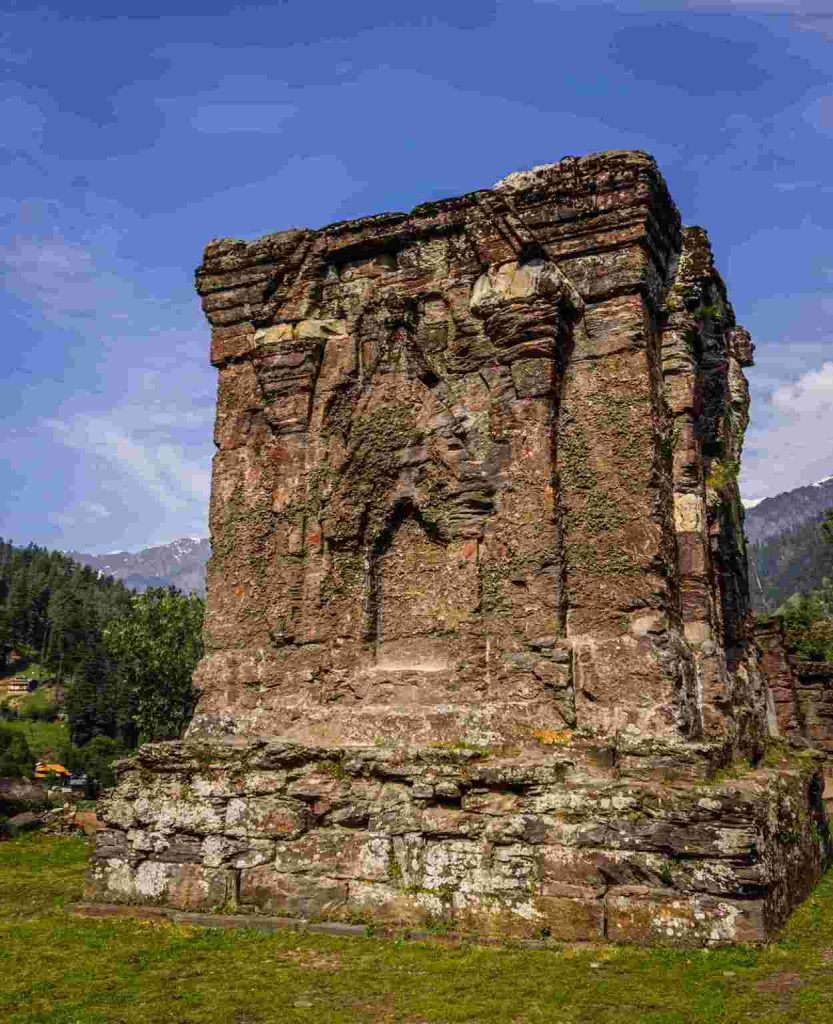
Ancient remains of Sharada Peeth, the legendary Shakti Peeth and learning center of Kashmir
Why Sharada Peeth Still Matters Today
Even in ruins, Sharada Peeth reminds us of a time when knowledge transcended borders and faith coexisted with scholarship. In an age that values education and dialogue, the spirit of Sharada Peeth feels more relevant than ever.
It stands as a symbol of intellectual freedom, spiritual depth, and the timeless pursuit of wisdom.
LOCATION
Frequently Asked Questions (FAQs)
1. What is Sharada Peeth famous for?
Sharada Peeth is famous as an ancient temple of Goddess Saraswati and a historic center of learning where scholars studied philosophy, scriptures, and sciences.
2. Is Sharada Peeth a Shakti Peetha?
Many traditions recognize Sharada Peeth as a Shakti Peetha associated with Goddess Sharada, a form of Saraswati.
3. Where is Sharada Peeth located?
Sharada Peeth is located near the Neelum (Kishanganga) River in the Kashmir region.
4. Which famous scholars visited Sharada Peeth?
Adi Shankaracharya is traditionally believed to have visited Sharada Peeth, along with many other ancient scholars from across India and Central Asia.
5. What is the Sharada script?
The Sharada script is an ancient writing system developed in Kashmir, closely associated with Sharada Peeth and used for Sanskrit manuscripts.
6. Can devotees visit Sharada Peeth today?
Access is currently limited due to location and conditions, and the site remains largely in ruins without formal pilgrimage facilities.
7. Why is Sharada Peeth important today?
Sharada Peeth represents India’s ancient knowledge systems, interfaith scholarship, and the enduring value of education and wisdom.

Leave A Comment