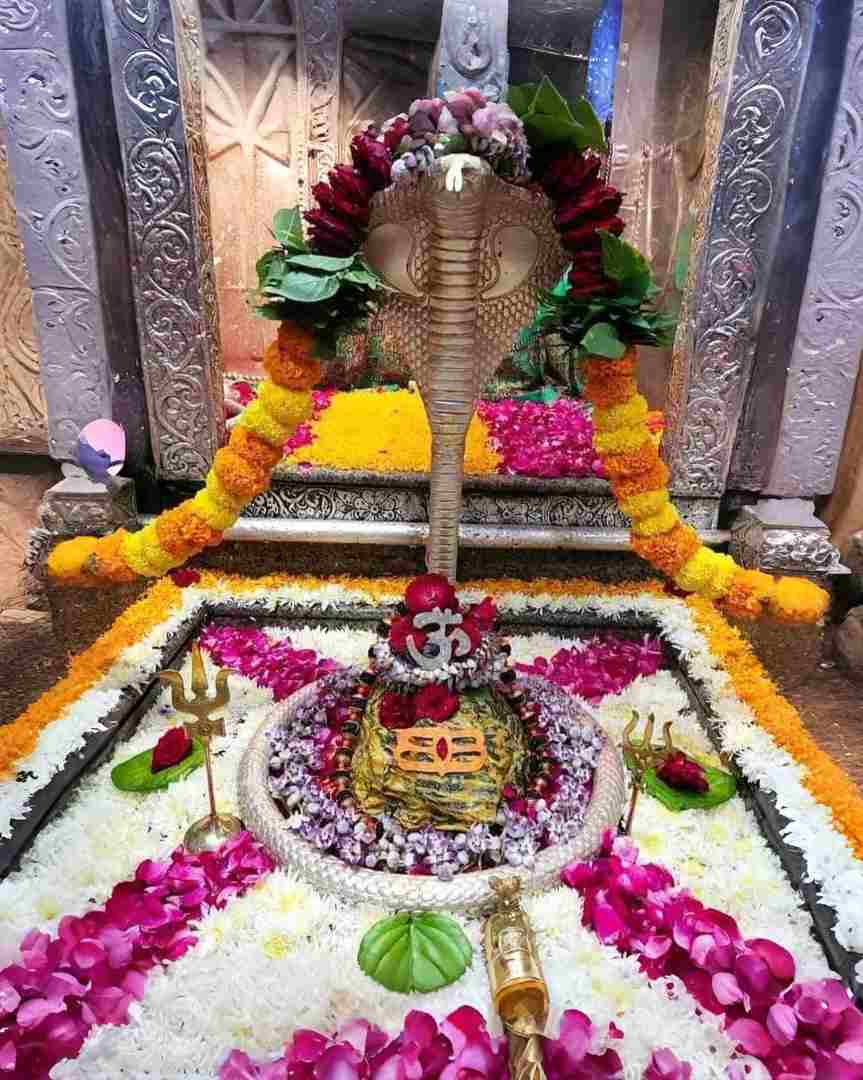
Omkareshwar Jyotirlinga is one of the most sacred Hindu pilgrimage destinations in India and holds a special place among the twelve Jyotirlingas of Lord Shiva. Located on Mandhata Island in the holy Narmada River in Madhya Pradesh, Omkareshwar is revered not only for its divine energy but also for its unique geographical, mythological, and spiritual significance.
Surrounded by serene river waters, ancient ghats, and timeless legends, Omkareshwar offers devotees a deeply transformative spiritual experience. For centuries, saints, sages, kings, and common devotees have visited this sacred shrine seeking peace, liberation, and divine blessings.
Why Omkareshwar Jyotirlinga Is Spiritually Unique
The word Jyotirlinga means “pillar of divine light,” symbolizing Lord Shiva’s infinite and formless nature. Among the twelve Jyotirlingas, Omkareshwar is exceptional because it is situated on a river island naturally shaped like the sacred syllable ॐ (Om) — the primordial sound of the universe.
This rare alignment of geography and spirituality makes Omkareshwar a powerful center of cosmic energy. Devotees believe that worshipping Lord Shiva here helps cleanse past karmas, remove obstacles, and guide the soul toward liberation (moksha).
Mythological Legends of Omkareshwar
Several ancient legends explain the divine origin of Omkareshwar Jyotirlinga:
Legend of King Mandhata
According to one popular belief, King Mandhata, a devoted ruler, performed intense penance on this island to please Lord Shiva. Moved by his unwavering devotion, Shiva manifested here as a Jyotirlinga. The island later came to be known as Mandhata Island in his honor.
Legend of the Vindhya Mountains
Another legend narrates that the Vindhya mountain range performed severe penance to seek forgiveness and spiritual elevation. Lord Shiva appeared in the form of Omkareshwar and granted divine blessings, establishing this sacred shrine.
Cosmic Balance Legend
Some scriptures state that when a fierce battle erupted between the gods and demons, Lord Shiva manifested here to restore balance in the universe. This divine appearance took the form of the Omkareshwar Jyotirlinga.
These legends reinforce Omkareshwar’s role as a powerful spiritual protector and divine center.
Temple Architecture & Sacred Surroundings

Omkareshwar Temple
The Omkareshwar Temple reflects classic North Indian temple architecture, believed to have been developed during the Paramara dynasty. The temple features:
- Intricately carved stone pillars
- A towering shikhara (spire)
- Sacred inner sanctum housing the Jyotirlinga
- Ancient inscriptions and sculptures
Adjacent to the main temple is the Mamleshwar Temple, which many devotees consider equally significant. Pilgrims traditionally visit both temples to complete their spiritual journey.
The surrounding ghats along the Narmada River, such as Abhay Ghat and Fanase Ghat, enhance the temple’s tranquil atmosphere. The riverfront parikrama (circumambulation path) is a deeply meditative experience, especially during early mornings and evenings.

Omkareswar Jyothirlinga Temple, Mandhata
Rituals, Darshan & Daily Worship
Daily worship at Omkareshwar follows ancient Shaivite traditions. Some of the most important rituals include:
- Abhishekam – ceremonial bathing of the Jyotirlinga
- Rudrabhishek – special prayer invoking Lord Shiva’s blessings
- Narmada Pujan – worship of the sacred river
- Shayan Aarti – unique night ritual symbolizing Lord Shiva’s cosmic rest
Devotees can also participate in special pujas during Mondays, Pradosham days, and major Hindu festivals.
Festivals Celebrated at Omkareshwar
Mahashivratri
Mahashivratri is the grandest festival celebrated here. Thousands of devotees gather to offer night-long prayers, perform abhishekam, and chant Shiva mantras.
Shravan Month
The holy month of Shravan is considered extremely auspicious for Shiva worship. Mondays during Shravan witness large pilgrim crowds and special rituals.
Narmada Jayanti
This festival honors the sacred river Narmada and includes river processions, prayers, and cultural events.
Best Time to Visit Omkareshwar
- October to March: Best weather for temple darshan and sightseeing
- April to June: Hot but manageable for short visits
- Monsoon Season: The river and surroundings look beautiful, but water levels may affect movement
Early morning and late evening darshan times offer a peaceful spiritual atmosphere.
Darshan Schedule
- Morning Darshan: 5:00 AM to 12:20 PM
- Break: 12:20 PM to 1:15 PM
- Afternoon Darshan: 1:15 PM to 4:15 PM
- Evening Darshan: 4:15 PM to 8:00 PM
- Night Darshan: 9:00 PM to 9:30 PM
Darshan Tip:
For a peaceful and less crowded experience, devotees are advised to visit during the early morning hours between 5:00 AM and 7:00 AM.
How to Reach Omkareshwar
By Air
The nearest airport is Indore, approximately 80 km away.
By Train
Major nearby railway stations include Khandwa and Mhow, both well connected to major Indian cities.
By Road
Omkareshwar is well connected by road, with frequent buses and taxis available from Indore, Ujjain, and Khandwa.
Spiritual Experience for Pilgrims
Pilgrims often describe Omkareshwar as calm, powerful, and spiritually uplifting. The combination of sacred river energy, ancient chants, temple bells, and natural beauty creates an environment ideal for meditation and self-reflection.
Many devotees include Omkareshwar as part of a Jyotirlinga pilgrimage circuit, often combined with visits to other major Shiva temples.
Conclusion
Omkareshwar Jyotirlinga is not just a religious destination — it is a sacred confluence of devotion, mythology, nature, and cosmic symbolism. Whether you are a devoted Shiva bhakta, a spiritual seeker, or a traveler exploring India’s divine heritage, Omkareshwar offers a timeless experience of faith and inner peace.
A visit here leaves devotees with a profound sense of calm, gratitude, and spiritual fulfillment.
For more details contact: https://shriomkareshwar.org
Phone: 0728027122
FAQs About Omkareshwar Jyotirlinga
1. Why is Omkareshwar Jyotirlinga so important?
It is one of the twelve Jyotirlingas of Lord Shiva and is uniquely located on an island shaped like the sacred symbol Om.
2. Where is Omkareshwar Jyotirlinga located?
It is located on Mandhata Island in the Narmada River, in Khandwa district of Madhya Pradesh.
3. Are Omkareshwar and Mamleshwar temples different?
Yes. Omkareshwar and Mamleshwar are two Shiva temples located close to each other and are often visited together.
4. What is the best time for darshan?
Early morning and evening hours are considered ideal for peaceful darshan.
5. Which festival is most important here?
Mahashivratri is the most significant festival, attracting large numbers of devotees.
6. Can elderly devotees visit Omkareshwar comfortably?
Yes. Facilities such as road access, assistance services, and nearby accommodations make it manageable for elderly pilgrims.
Leave A Comment