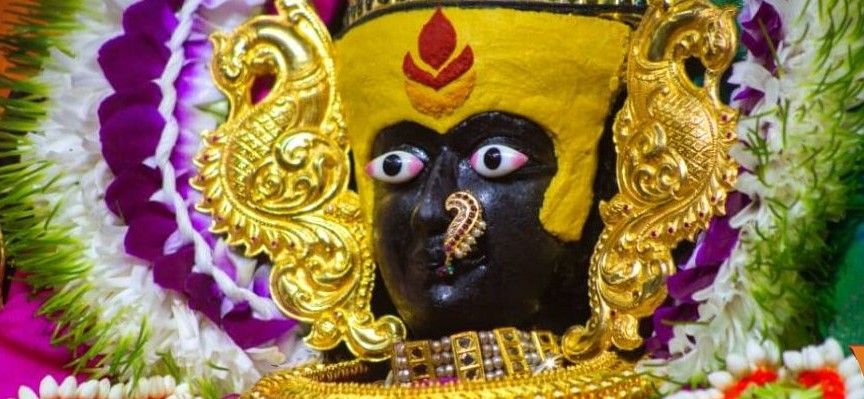
Sri Vishalakshi Devi Shaktipeeth stands as one of the most revered Shakti shrines in India, nestled in the ancient spiritual city of Kashi (Varanasi), Uttar Pradesh. Deeply rooted in Shakta traditions, this holy temple represents the eternal feminine energy and forms an essential part of Kashi’s divine landscape. Moreover, devotees believe that worshipping Goddess Vishalakshi here brings spiritual clarity, protection, and fulfillment of desires.
Mythological Significance of Vishalakshi Devi
According to sacred Hindu texts, Sri Vishalakshi Devi Shaktipeeth is associated with the legend of Goddess Sati. When Lord Shiva carried Sati’s body across the universe in grief, parts of her body fell at various locations, which later became Shakti Peethas. At this sacred spot in Kashi, Goddess Sati’s ear ornament (earring) is believed to have fallen.
Because of this divine event, Goddess Shakti manifested here as Vishalakshi, meaning “the wide-eyed one.” Furthermore, Lord Kalabhairava presides over this Shakti Peeth as the Bhairava guardian, protecting the sacred energies of the temple.
Spiritual Importance in Kashi
Kashi is known as the city of Lord Shiva, yet Shakti worship holds equal importance here. In fact, devotees believe that Kashi remains incomplete without the blessings of Goddess Vishalakshi. Along with Annapurna Devi and Vishwanath, Vishalakshi Devi forms a powerful spiritual triad that sustains life, nourishment, and liberation.
Additionally, many pilgrims visit Vishalakshi Devi Temple before seeking darshan at Kashi Vishwanath Temple, as tradition considers Shakti’s grace essential before approaching Shiva.
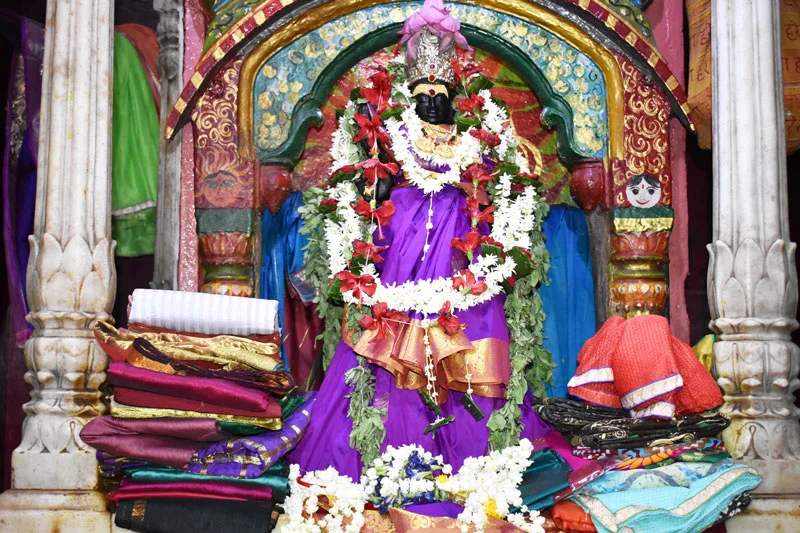
Divine form of Sri Vishalakshi Devi adorned in a purple silk saree and fresh garlands at the sacred Shaktipeeth in Kashi.
Temple Architecture and Sanctum
The Vishalakshi Devi Temple reflects classic North Indian temple architecture with a simple yet spiritually vibrant design. Inside the sanctum, the beautifully adorned idol of Goddess Vishalakshi radiates maternal compassion and strength.
Moreover, the temple atmosphere remains filled with devotional chants, the fragrance of flowers, and the glow of oil lamps, creating a deeply meditative experience for devotees.
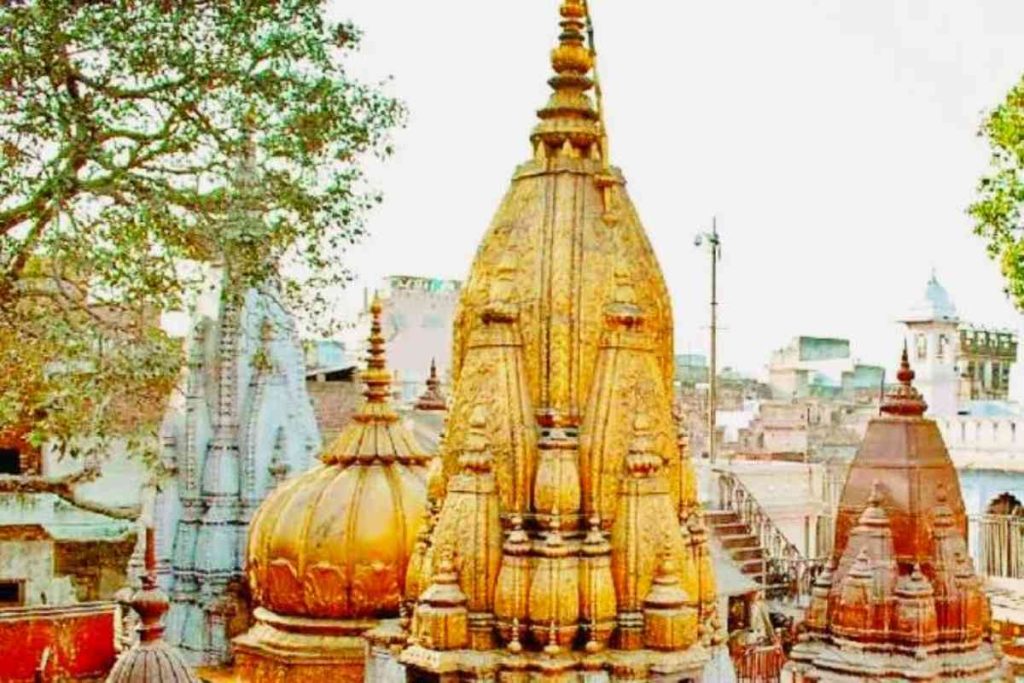
Golden shikharas of Sri Vishalakshi Devi Shaktipeeth shining in the spiritual heart of Varanasi.
Rituals and Worship Practices
Daily worship at Sri Vishalakshi Devi Shaktipeeth follows traditional Shakta rituals. Priests perform Abhishekam, Archana, and Aarti with great devotion. Devotees commonly offer flowers, vermilion, coconuts, and sweets to the Goddess.
Importantly, special prayers during Navratri, Ashtami, and Purnima attract large crowds. During these auspicious days, the temple resonates with heightened spiritual energy, and devotees believe prayers offered then yield quicker results.
Festivals Celebrated at Vishalakshi Devi Temple
Several festivals add grandeur to the temple’s spiritual calendar:
- Navratri – Celebrated twice a year with elaborate rituals and decorations
- Durga Ashtami – Marks the peak of Shakti worship
- Diwali – Symbolizes divine light and prosperity
- Kartik Purnima – Aligns with major Kashi celebrations
During these festivals, the temple becomes a center of collective devotion and divine celebration.
Location and How to Reach
Sri Vishalakshi Devi Shaktipeeth is located in the Lohari Tola area of Varanasi, close to the Ganges and other prominent temples.
- Nearest Railway Station: Varanasi Junction
- Nearest Airport: Lal Bahadur Shastri International Airport
- Local Access: Easily reachable by auto-rickshaws and walking routes from major ghats
Because of its central location, pilgrims often include this temple in a single-day spiritual circuit of Kashi.
Best Time to Visit
Although devotees visit throughout the year, the best time to experience Vishalakshi Devi Temple is between October and March, when the weather remains pleasant. However, those seeking intense spiritual energy often prefer visiting during Navratri despite the crowds.
Why Vishalakshi Devi Shaktipeeth Is Spiritually Unique
What sets Sri Vishalakshi Devi Shaktipeeth apart is its deep integration into the living spiritual culture of Kashi. Unlike isolated pilgrimage centers, this temple exists within a continuous flow of rituals, traditions, and daily devotion that has remained unchanged for centuries.
As a result, visiting this Shakti Peeth feels less like sightseeing and more like stepping into an eternal spiritual rhythm.
How many shaktipeeth in varanasi
Varanasi (Kashi) is home to an important Shakti Peeth, the Vishalakshi Temple. It is believed that Goddess Sati’s earrings (Manikarnika) fell here, making it the main and most widely accepted Shakti Peeth of Kashi.
Some traditions also mention Panchsagar, where Sati’s lower teeth are said to have fallen. This site is linked with Maa Varahi and is often considered connected to Vishalakshi rather than a separate Shakti Peeth.
Although scriptures list different numbers of Shakti Peeths, Vishalakshi Temple is consistently recognized as the primary Shakti Peeth in Varanasi.
FAQs About Sri Vishalakshi Devi Shaktipeeth
1. Why is Vishalakshi Devi Shaktipeeth important?
It is believed to be the place where Goddess Sati’s earring fell, making it a powerful center of Shakti worship.
2. Who is the Bhairava of this Shakti Peeth?
Lord Kalabhairava is worshipped as the guardian deity of Vishalakshi Devi Shaktipeeth.
3. Is Vishalakshi Devi Temple part of the 51 Shakti Peethas?
Yes, it is counted among the most significant Shakti Peethas associated with Goddess Sati.
4. Can devotees visit throughout the year?
Yes, the temple remains open year-round, with special significance during Navratri.
5. Is the temple close to Kashi Vishwanath Temple?
Yes, it is located nearby, allowing pilgrims to visit both temples conveniently.
Conclusion
Sri Vishalakshi Devi Shaktipeeth is more than a temple—it is a living embodiment of divine feminine power in the heart of Kashi. Through its mythological roots, spiritual practices, and timeless devotion, the temple continues to guide seekers toward inner strength and divine grace. For anyone exploring Shakti worship in India, a visit to Vishalakshi Devi Shaktipeeth remains truly indispensable.

Leave A Comment